
Last updated November 25, 2026
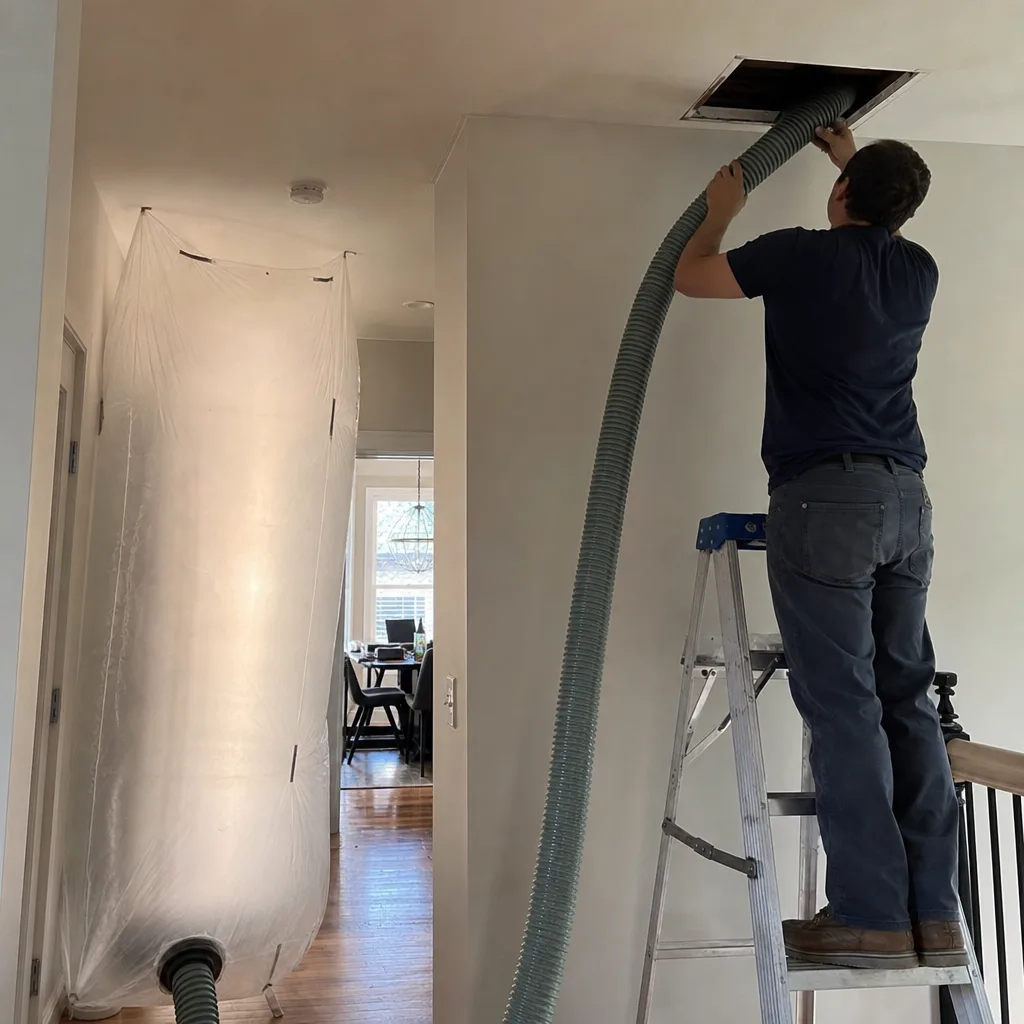
 Whole-home duct cleaning
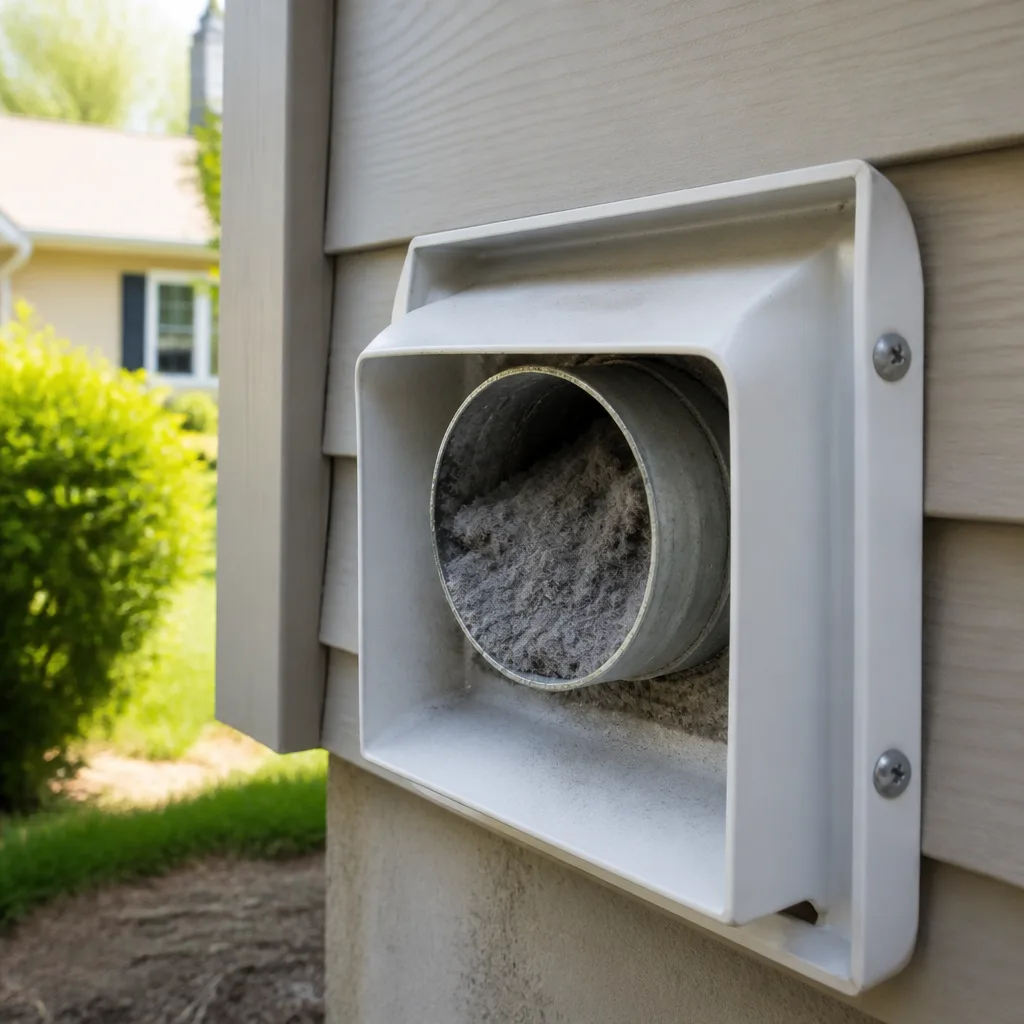 Dryer vent cleaning
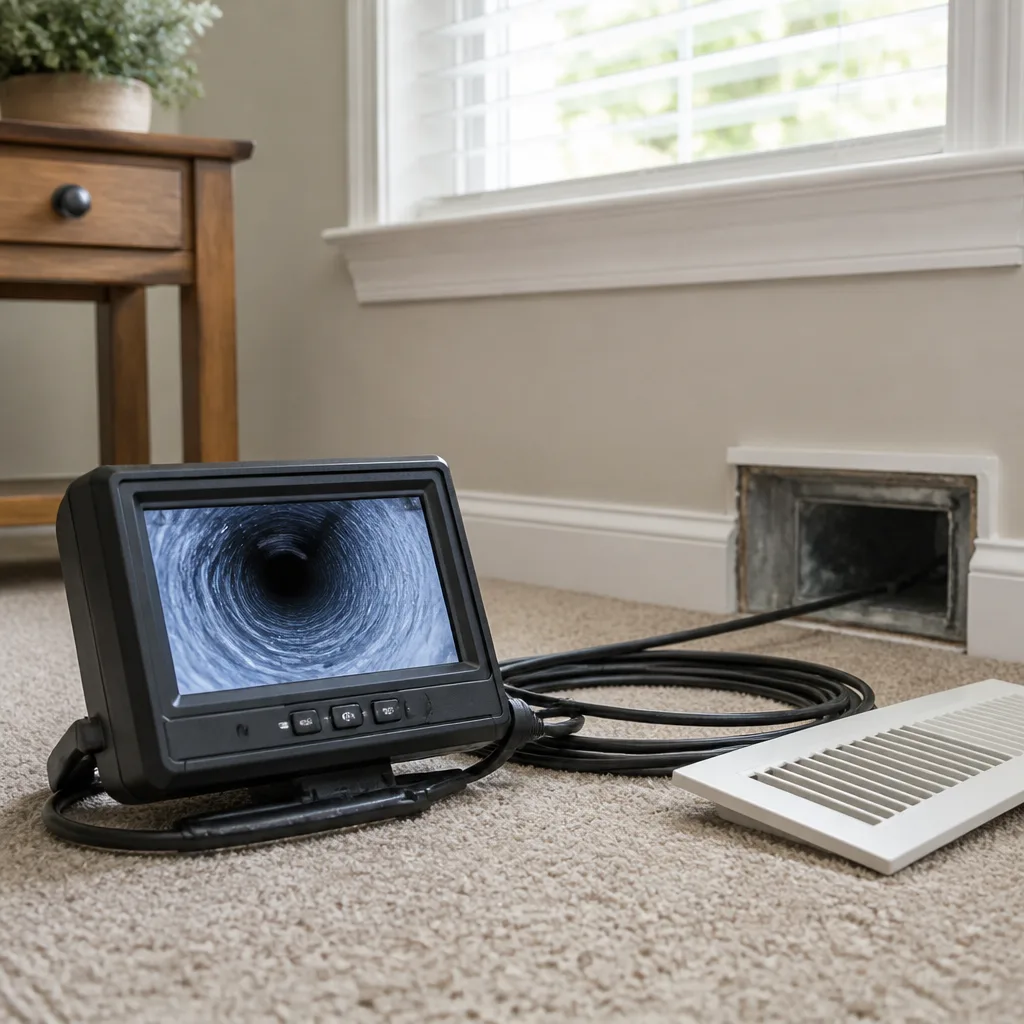 Camera inspection
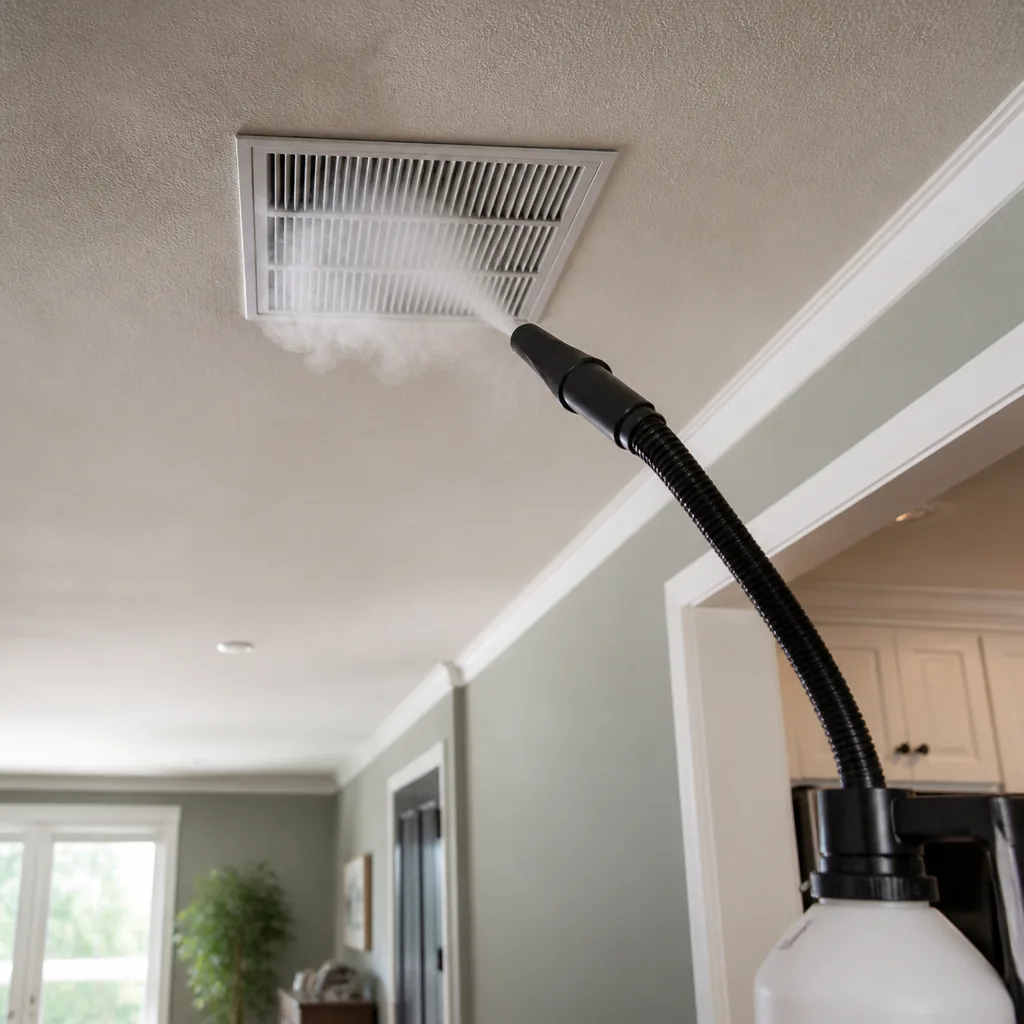 Sanitizing & deodorizing
Whole-system duct and dryer vent check with before-and-after photos - you see exactly what came out of your vents
That "$99 whole-house special" is a bait ad - the real number appears once they are in your hallway, or the "clean" is a shop-vac at the register. We photograph the inside of your ducts before and after instead.
Air Duct Cleaning Warning Signs: A Virginia-Highland Homeowner’s Reference Guide
Visible dust on supply registers is one of the least reliable indicators that your ducts need cleaning. It usually means your filter is undersized, improperly seated, or long overdue for a change, not that the duct interior is the contamination source. We’ve watched homeowners in Virginia-Highland spend money on a full cleaning when a $20 filter was the entire problem, and we’ve watched others ignore a sound that meant a flex duct had collapsed behind a wall. This guide ties each symptom to its most likely root cause and the right diagnostic step, so you know what you’re actually looking at before anyone shows up at your door.
Quick Answer
The warning signs that actually point to dirty ducts are a musty or stale smell that returns after a filter change, visible debris blowing out of supply registers, and consistent dust buildup on horizontal surfaces within days of cleaning your home. Symptoms like one cold room, whistling vents, or seasonal allergy flares are far more often duct leakage, blockage, or an equipment problem than a contamination problem, and each needs a different diagnostic step before you book any cleaning.
Styles & brands we work with
- Whole-home duct cleaning
- Dryer vent cleaning
- Camera inspection
- Sanitizing & deodorizing
Table of Contents
- The Differential Diagnosis Framework
- What That Musty Smell Is Really Telling You
- Dust on Registers: What It Does and Doesn’t Mean
- Uneven Airflow in Multi-Story Virginia-Highland Homes
- Reading the Sound Profile of Your Duct System
- The Tissue Test: A Five-Minute Airflow Check
- Signs the Problem Is Upstream at the Air Handler or Coil
- Allergy Spikes and What They Actually Point To
The Differential Diagnosis Framework
Most warning sign articles list symptoms and leave you to guess. That’s a problem, because the same symptom can have three or four distinct causes, and only one of them calls for duct cleaning. When we assess a system in Virginia-Highland, we work through a simple framework: separate the symptom from the location, then narrow the cause by what changes it.
Here’s the framework we use, laid out as a sequence you can follow yourself before calling anyone:
- Isolate the system. Turn off the HVAC and see whether the symptom persists. A smell that fades when the system is off points to the air pathway. One that lingers points to the building or furnishings.
- Locate it. Does the symptom appear at one register, one room, one floor, or the whole house? One register suggests a branch duct problem. One floor suggests a main trunk or balancing issue. The whole house points upstream.
- Change one variable. Replace the filter with the correct size and MERV rating. If the symptom shifts, the filter was part of the story.
- Observe the pattern. Is it worse on humid days, after rain, when the fan runs, or only on startup? Each pattern narrows the cause fast.
That last step matters in this climate. Virginia-Highland summers run humid, and a system that shows a musty smell only in July and August is telling you something different than one that smells year-round. A seasonal pattern usually points to a wet coil or drain pan. A constant one usually points to the duct interior or the return path.
What That Musty Smell Is Really Telling You
A musty smell that returns within a few days of a filter change is the single most reliable sign that something biological is growing inside the air pathway. That’s not the same as dust. Dust smells like almost nothing. Microbial growth on a wet surface produces the damp, earthy note that homeowners describe as musty.
Before you assume the ducts, rule out these three sources, in order:
- The evaporator coil and drain pan. This is the most common source of musty odor in this region’s humid months. A pan that holds standing water grows growth quickly, and the blower pushes that smell through every register.
- The return plenum and filter slot. A filter that’s been loose or missing lets unfiltered air into the return, coating the plenum interior with dust that traps moisture.
- The duct interior itself. Flex duct with a torn inner liner, or duct board that’s absorbed moisture, gives microbial growth a surface to colonize.
Narrow it with one test: put your nose near a return grille with the fan running, then near a supply register in a far room. A smell strongest at the return points upstream. A smell strongest at distant supplies points to the trunk line. If it’s fairly even throughout, suspect the coil first, which means HVAC service rather than duct cleaning. When we run a full-system assessment in Virginia-Highland, we inspect the coil and drain pan before recommending any cleaning, because cleaning dirty ducts won’t fix a wet coil that keeps feeding the smell back into the system.
Dust on Registers: What It Does and Doesn’t Mean
Dust on a supply register is a filter and pressure problem far more often than a duct contamination problem. When the filter is undersized, clogged, or not seated properly, the return pulls unfiltered air from every gap in the system, and some of that dust lands right at the nearest supply face. A register wipe-down tells you almost nothing about the inside of the duct.
Here’s what does tell you something:
- Debris blowing out of a supply. If you turn the system on and see visible particles puff out of a register, that’s active contamination in that branch line. That’s a real cleaning signal.
- Dust on horizontal surfaces that returns in a week. Surfaces inside the conditioned space collecting a fresh coat within days of cleaning point to a real source, often a clogged filter, a leaking return, or an unsealed duct joint pulling attic or crawlspace air.
- Dust accumulating around the register frame, not the face. That’s usually a poor seal between the boot and the drywall, which lets air move through the gap. Duct repair and sealing solves it. Cleaning does not.
- Black or grey streaking around the supply. Often a sign of filter bypass or pressure imbalance at that branch. It’s a clue to investigate, not a cleaning order.
In our experience, a sizable share of the calls we get about dusty registers in Virginia-Highland end with a filter correction, a sealed boot, or a return leak fix rather than a full duct cleaning. The Rotobrush contact-cleaning system we work with is the right tool for a genuinely contaminated duct. Using it because the register face looks dusty would be the wrong call, and we’d rather tell you that.
Uneven Airflow in Multi-Story Virginia-Highland Homes
An upstairs bedroom that never cools like the first floor is almost never a thermostat problem. In Virginia-Highland’s older multi-story homes, inconsistent room temperatures come down to duct leakage or blockage in the upper trunk or branch lines, or to a system that wasn’t balanced for the second floor’s static pressure. The thermostat reads the room it’s mounted in, and if that room is downstairs, it has no idea what the upstairs is doing.
Here’s how to narrow it down without guessing:
- Feel the supply airflow at each register with the system on high. Note which are strong, which are weak, and which feel almost still.
- Compare across floors. All the weak registers upstairs and strong ones downstairs points to a trunk line or balancing issue, not a thermostat.
- Check the returns. A return that’s blocked by furniture, a rug, or a closed door cuts the supply from that room, and the room never recovers.
- Look at the ducts you can see. In an unfinished basement or attic, sagging flex duct, disconnected sections, and crushed runs behind joists are visible signs of leakage or blockage.
Homes with older duct board or rigid duct built in the last century often have disconnected trunk joints that went unnoticed for years. That’s the kind of leak that pushes air into the attic instead of into a bedroom. If the pattern is “cold downstairs, warm upstairs,” a proper assessment of airflow balance is the place to start, and air duct cleaning is only the right step if contamination is confirmed at the same time. Sealing and balancing come first when airflow is the complaint.
Reading the Sound Profile of Your Duct System
Duct noise isn’t one sound. The specific tone, location, and timing narrow the cause more than any other single clue. Here’s how we read the sound profile:
- A fluttering or slapping sound from behind a wall. That’s the classic signature of a collapsed or disconnected flex duct. The inner liner has come loose and the air stream is flapping it against the outer jacket. Cleaning won’t fix it. Repair or replacement will.
- A whistling at one register. That’s a velocity problem, usually a register with too small an opening for the static pressure at that point. Often a balance or sizing issue rather than debris.
- A rattling or buzzing register face itself. Loose screws, a bent face, or paper-thin flex touching the register boot. Tighten the screws and feel the boot connection before assuming the duct is dirty.
- A grinding, rhythmic thrum from the air handler. This is the one that matters most. Debris on the blower wheel throws it off balance, and the whole thing starts humming at a set frequency. Cleaning the blower wheel is HVAC service, not duct cleaning.
- A soft hiss at a return. Usually a filter that’s collapsed or the wrong size, restricting the return path.
The sound test is fast and free. Stand in each room with the system running and listen for those five patterns. It doesn’t tell you everything, but it tells you which of the five services you actually need: cleaning, dryer vent work, HVAC unit service, sanitizing, or duct repair and sealing.
The Tissue Test: A Five-Minute Airflow Check
A tissue held lightly at each supply register gets you a rough read on airflow balance before you call anyone. You’re not measuring CFM, and you don’t need to. You’re checking whether the airflow is roughly even, badly skewed, or hardly moving at all.
Here’s how to run it:
- Tape a corner of a single-ply tissue lengthwise across the face of a supply register so the free end hangs across the grille.
- Turn the system to fan-on and let it run for a minute to stabilize.
- Watch the lift. A strong register will lift the tissue nearly horizontal. A weak one lets it droop. A dead one barely moves it.
- Repeat on every supply on every floor, and note the results on a simple list or sketch of the house.
- Compare across the house. Even lift everywhere means balanced. Strong downstairs and sagging upstairs means a trunk or balancing issue. One dead register in an otherwise healthy house means a branch line problem.
If every register on the second floor sags while the first floor lifts, don’t book a cleaning yet. That pattern points at leakage, a crushed trunk, or a balance issue. If all registers are strong but the house still feels stale and dusty, then the air quality complaint deserves an inspection of the return and the coil. Either way, the tissue test gives you a real read on airflow before you spend money.
Signs the Problem Is Upstream at the Air Handler or Coil
Some symptoms point to the air handler or the coil, and no amount of duct cleaning will solve them. Recognize these so you don’t pay for the wrong service:
- Water around the indoor unit or a pan that never dries. A clogged drain line or a wet coil. HVAC service.
- A musty smell that returns within a day or two of cleaning. The growth is on the wet coil, not in the ducts. Cleaning the ducts makes no difference until the coil is dealt with.
- A blower that’s louder than it used to be, or a rhythmic thrum. Debris on the blower wheel throws it out of balance. It needs to be pulled and cleaned as part of a full HVAC cleaning.
- A short cycling system, weak cooling, or a frozen coil. Refrigerant, airflow, or control problems. HVAC service, not duct cleaning.
- Visible rust, corrosion, or standing water inside the unit cabinet. Upstream problem that cleaning only exposes.
In Virginia-Highland’s summer humidity, the coil and drain pan stay wet for months. That’s why our HVAC cleaning work is done alongside duct cleaning whenever the upstream problem shows up, because the coil is where the growth actually starts. When we bring Abatement Technologies air filtration tools on-site, the point is to capture the particulate we dislodge during cleaning so it doesn’t settle back into the system, not to mask an upstream problem. If the coil is wet and colonized, it needs to be addressed, not covered up.
Allergy Spikes and What They Actually Point To
Seasonal allergy flares are a weak signal for dirty ducts. Pollen counts drive most of what people notice in spring and fall, and if the flare tracks the pollen calendar, no cleaning is going to change your symptoms. What’s a stronger signal is a pattern that doesn’t track the seasons: symptoms that are worse indoors, in specific rooms, or only when the system is running.
Three patterns are worth paying attention to:
- Worse in one room consistently. That points to a specific branch or register with contamination or a leak. A targeted inspection makes sense.
- Worse when the system runs, better when it’s off. That’s a system-tied pattern. The air pathway itself is the source.
- Worse after a renovation or a period of construction nearby. Fine drywall dust and construction particulate settle into the return and trunk. A full-system clean is the right move, with the return and coil inspected at the same time.
If you’re seeing those patterns alongside a stale smell, it’s worth a diagnostic visit. We don’t overstate what a cleaning will do for allergies. The honest version is that mechanical cleaning removes the reservoir of settled particulate and microbial growth; it doesn’t sterilize the air, and it doesn’t replace filtration. Sanitizing goes a step further where growth is confirmed. That’s why we pair the cleaning with Honeywell and Aprilaire filtration recommendations when the filtration is clearly undersized for the house.
Common Mistakes to Avoid
- Booking a cleaning based on register dust alone. Dust on the register face is usually a filter or pressure problem, not a duct interior problem. Replace and correctly seat the filter before calling anyone.
- Assuming a cold upstairs room needs cleaning. In multi-story Virginia-Highland homes, that’s almost always a leakage, blockage, or balance issue. Cleaning doesn’t fix airflow.
- Treating duct cleaning as a fix for allergies without addressing filtration. If the filter is undersized for the house, cleaning buys you weeks before the reservoir rebuilds. Filtration is the long-term fix; cleaning clears what’s already there.
- Ignoring the sound of a collapsed flex duct. A fluttering or slapping sound behind a wall is a repair issue. Spending money on cleaning while the duct is disconnected wastes the cleaning and leaves the problem.
- Overlooking the coil and drain pan. A smell that returns within days of cleaning is upstream. Cleaning the ducts first and the coil second is backwards.
- Choosing a cleaner by price alone. A low teaser price for “whole house” often turns into per-vent pricing the day of the visit. Ask for a flat price per system agreed before work starts.
- Skipping the dryer vent when the laundry room runs hot or slow. That’s a separate service from duct cleaning and worth its own assessment. Our dryer vent cleaning work is exactly that, and it’s often done alongside the rest of a full-system visit.
See the difference
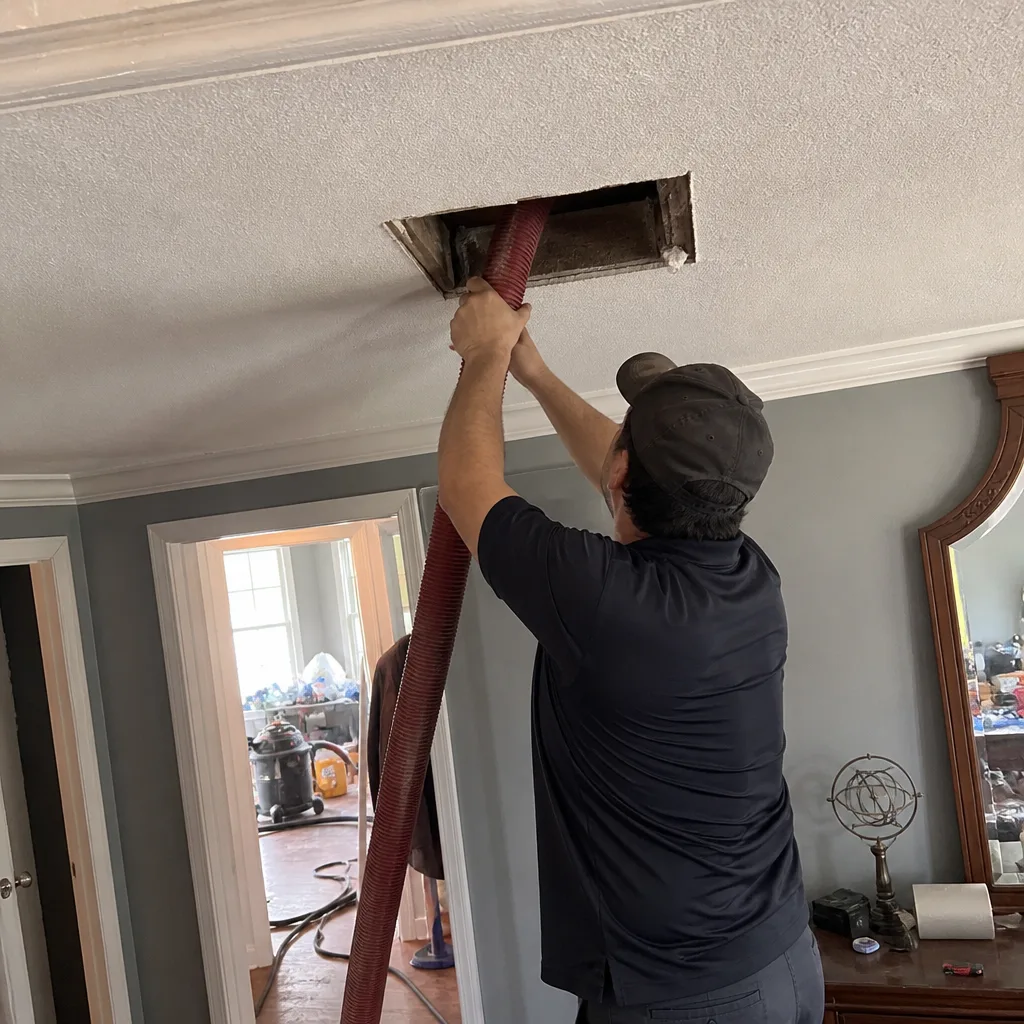 Before
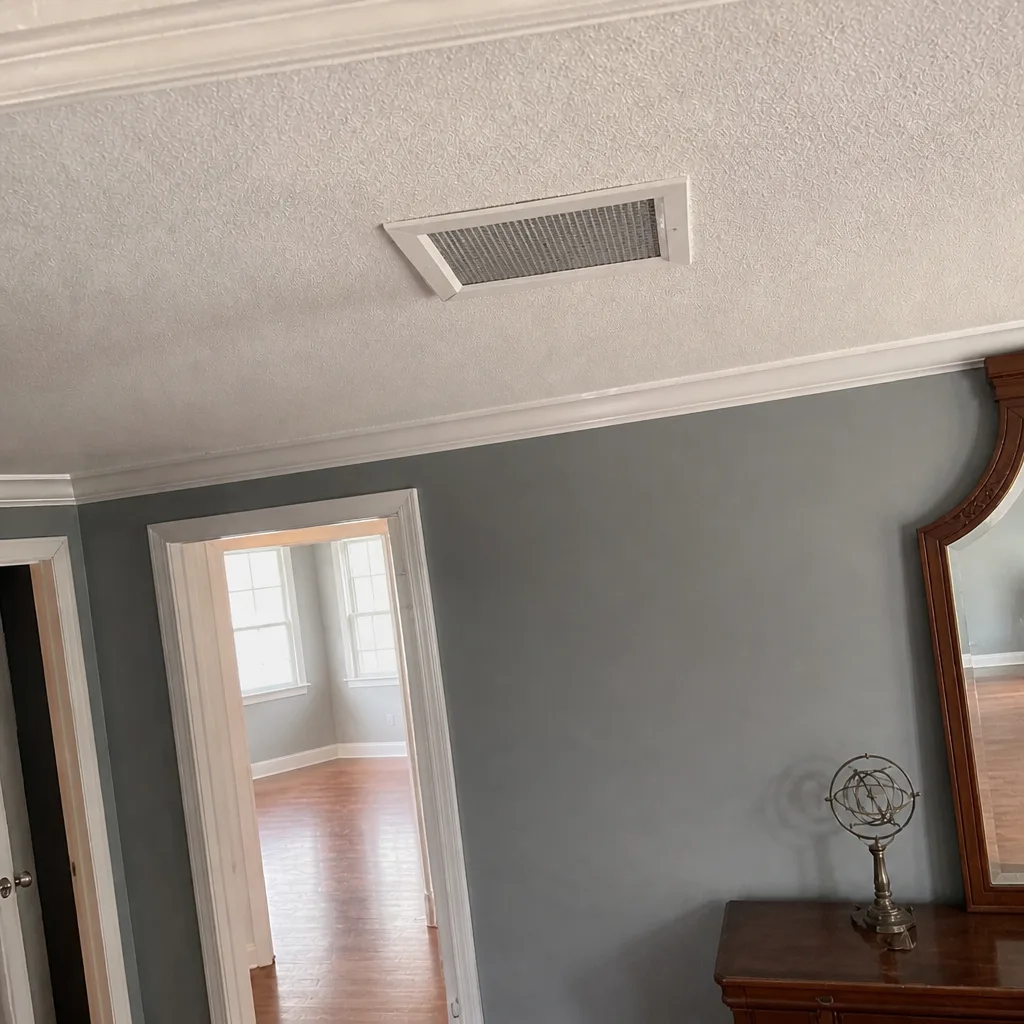 After
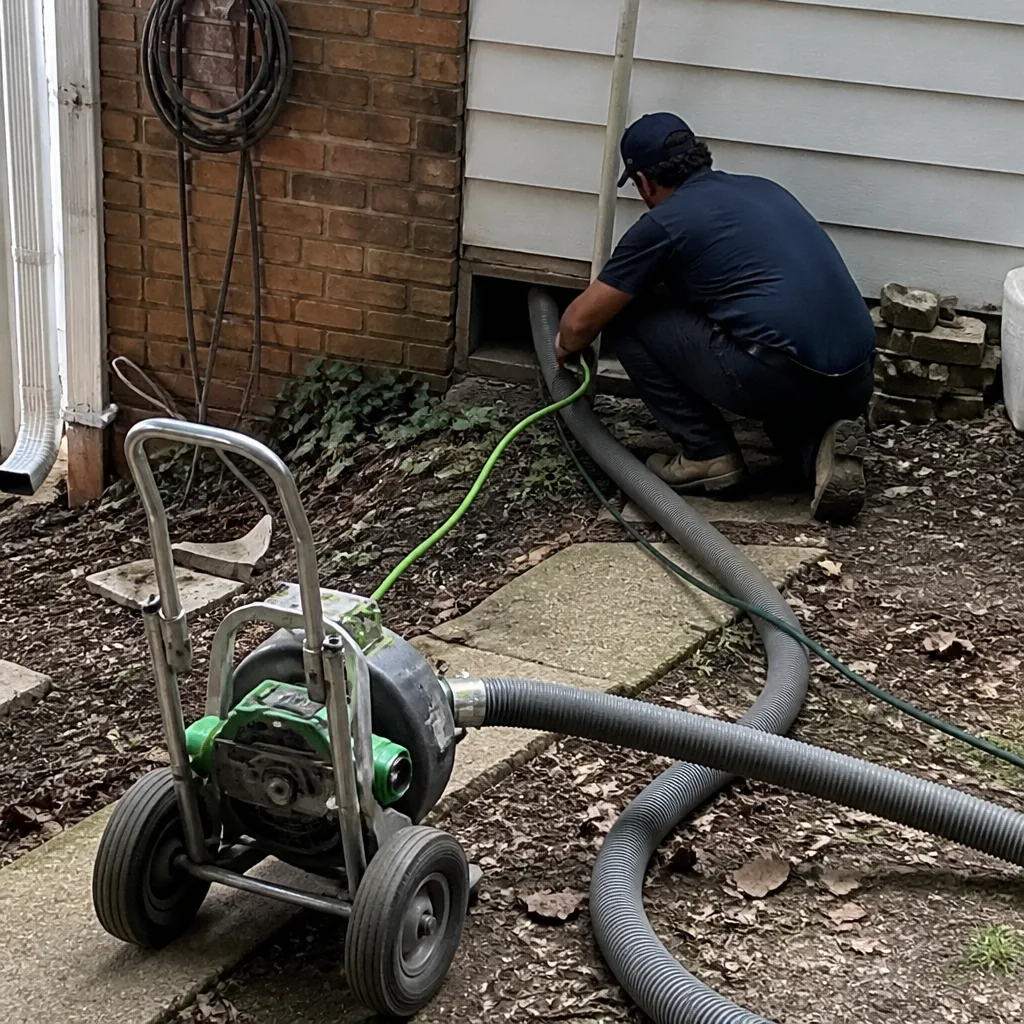 Before
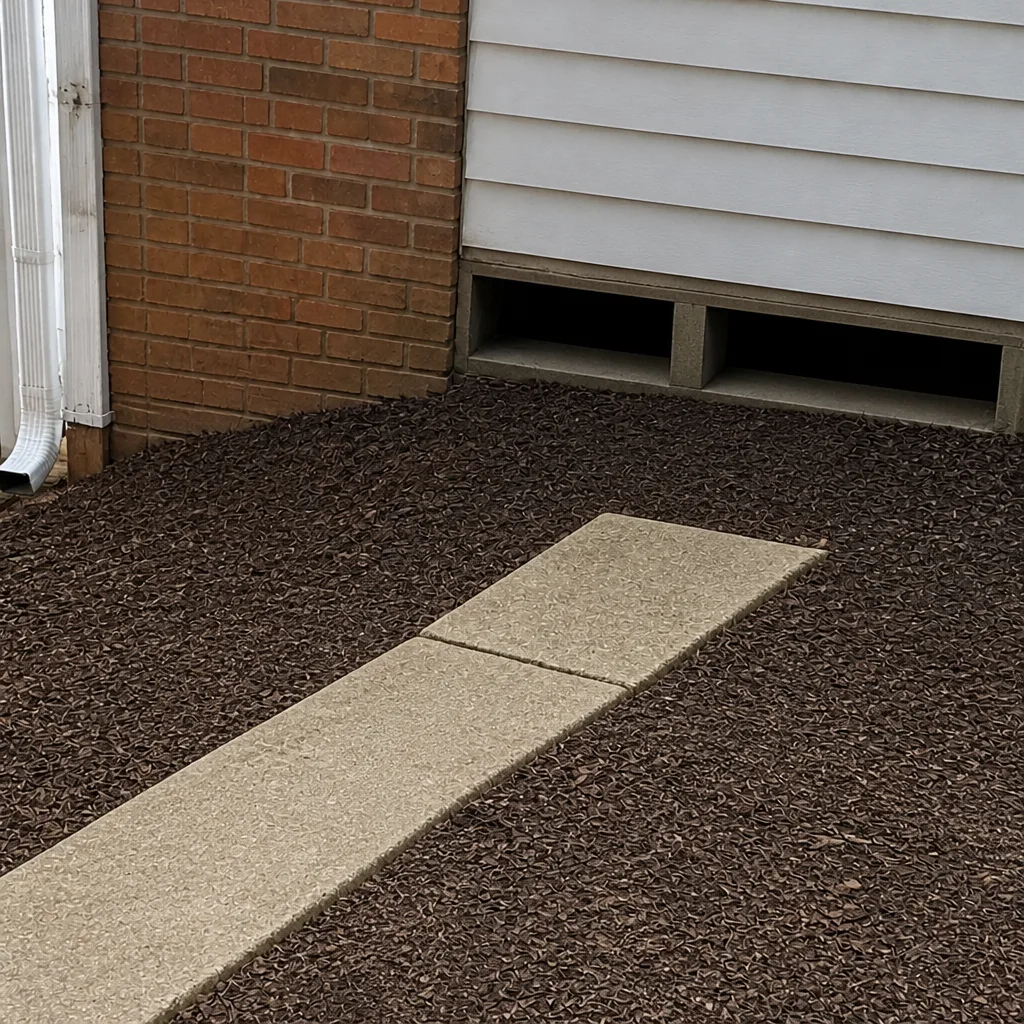 After
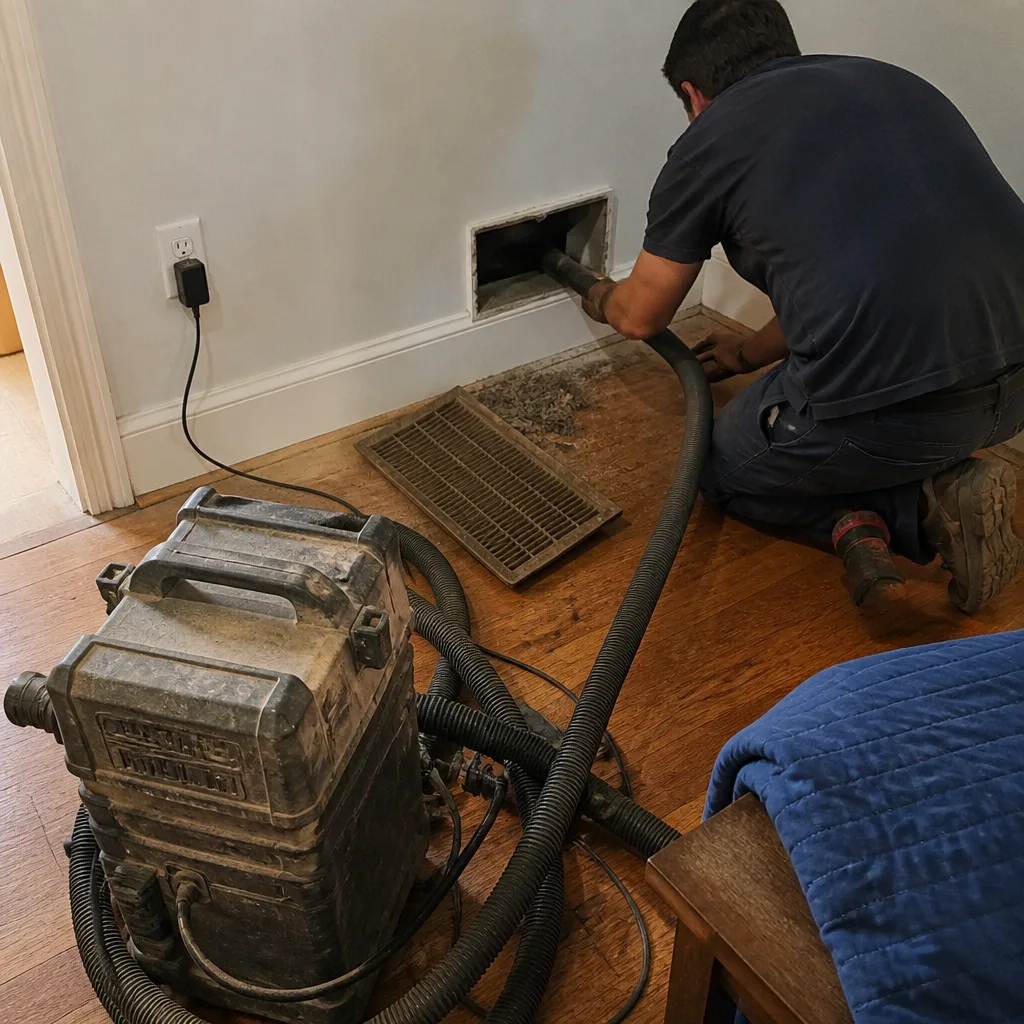 Before
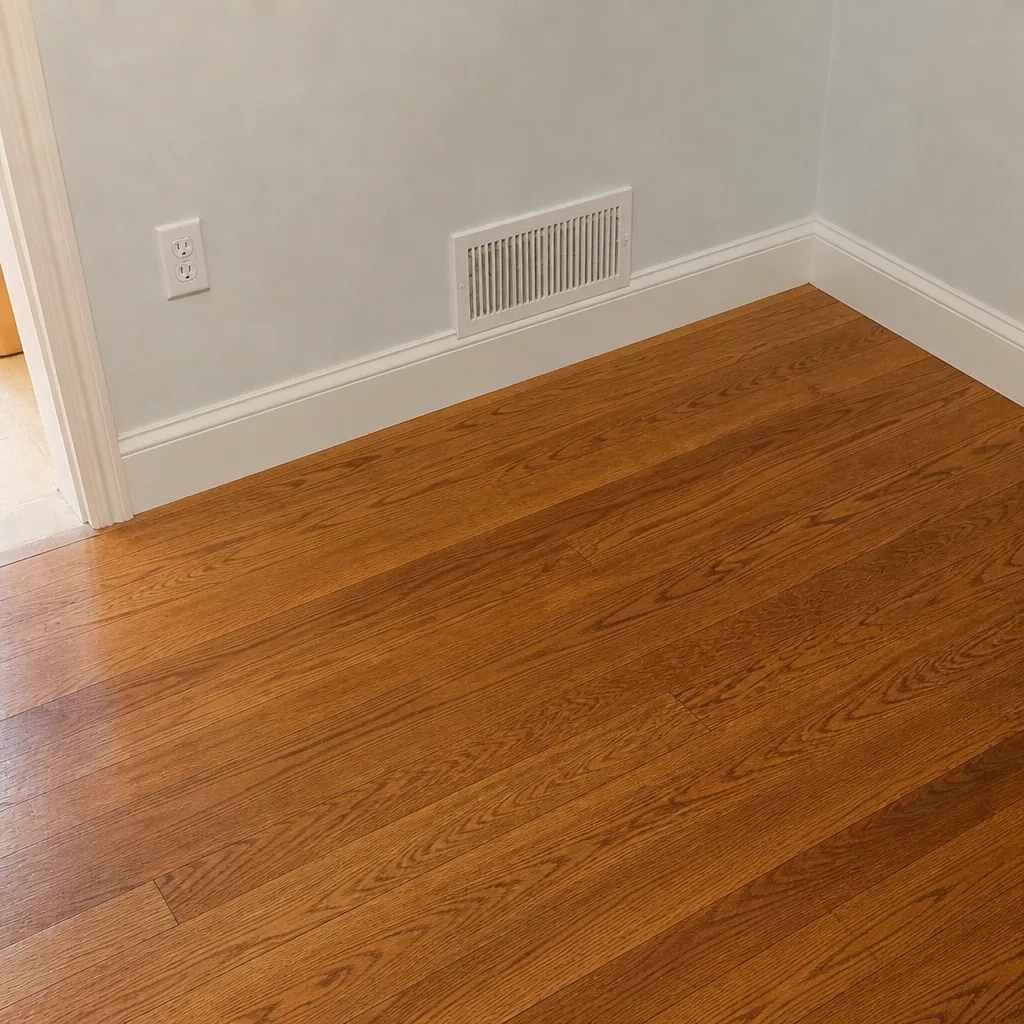 After
When to Call a Professional
Call when you can’t separate duct symptoms from equipment symptoms yourself, when you’ve narrowed it to a branch line or the air pathway, or when you’re seeing more than one of the patterns in this guide at the same time. If a sound behind a wall suggests a collapsed duct, if the smell returns after a filter change, if debris is blowing from a register, or if the upstairs has never cooled like the downstairs, that’s the point to bring in a technician who can assess the full-system picture. Our technicians have up to 14 years of experience, work with Rotobrush and Nikro systems, and can inspect the coil and blower alongside the ducts. Air Duct Cleaning Virginia-Highland offers free estimates in Virginia-Highland. Call (833) 513-8601. We answer 24/7. Fast dispatch from 7am to 7pm, Sunday through Friday.
Frequently Asked Questions
Pricing is set per system, not per vent, and the written estimate sets the final price. We work one flat price per system agreed before any work starts, which is the honest alternative to the per-vent pricing that makes final invoices hard to predict. Call (833) 513-8601 for an exact quote. Estimates are free.
Visible debris blowing out of supply registers, or a musty smell that returns within a few days of a filter change, are the two most reliable signals. Dust on the register face alone is not reliable. It usually means the filter is undersized, clogged, or not seated properly.
Cheap quotes are usually per-vent teaser prices that rise once the technician sees the system, or they cover the register faces and little else. A full-system clean includes the return, the trunk, and the air handler pathway. We work one flat price per system from the written estimate, and we show before-and-after photos of the actual ductwork, so you know what was cleaned. Call (833) 513-8601 for a free estimate.
Ask for before-and-after photos from inside the duct. The Rotobrush contact-cleaning system we use physically agitates the duct interior with a rotary brush and vacuum, so the before-and-after images show the actual change. A cleaning that never opens the system and never photographs the inside leaves you with nothing to verify.
Most homes go several years between cleanings. The schedule depends on pets, filtration quality, renovation work, and whether the system has a wet coil problem. If yours has never been serviced and the previous owners left no records, a diagnostic visit makes sense even without obvious symptoms.
Rarely. In Virginia-Highland’s multi-story homes, a hot upstairs points to duct leakage, a crushed trunk line, or a balancing issue far more often than contamination. The tissue test in this guide helps you tell the difference before you book a cleaning.
The Bottom Line
The symptoms that actually point to dirty ducts are narrow: returning musty smells, visible debris at supply registers, and dust that rebuilds in days. Everything else, from a cold upstairs to a whistling register to seasonal allergies, needs a different diagnostic step first. Run the tissue test, listen for the collapsed-duct sound, swap the filter, and check the coil path before you book anything. When you’re ready for a full-system assessment, we bring the equipment to check it all in one visit, from air duct cleaning in Virginia-Highland to repair, sealing, and sanitizing, so the same problem doesn’t come back. Call (833) 513-8601 for a free estimate. We answer 24/7. Fast dispatch from 7am to 7pm, Sunday through Friday.
Written by the team at Air Duct Cleaning Virginia-Highland.