
Last updated November 25, 2026
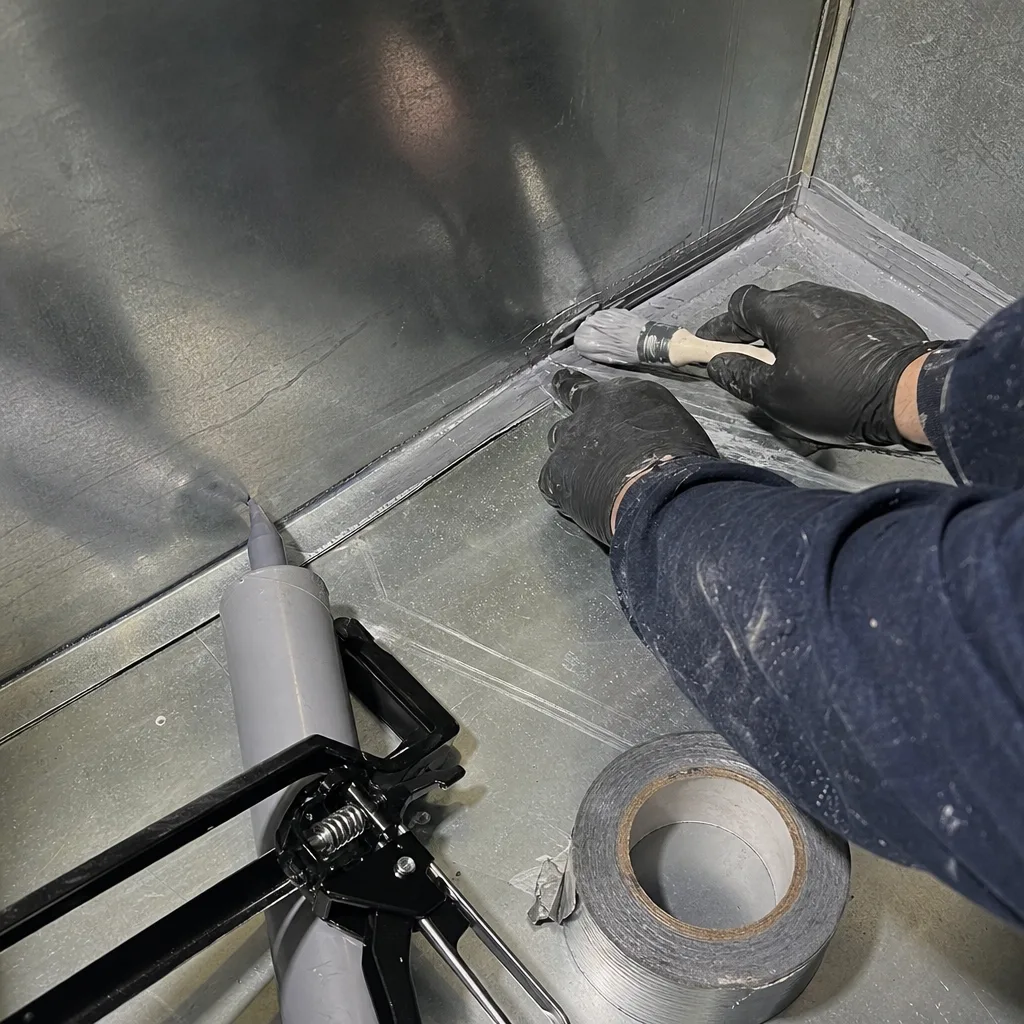
 Whole-home duct cleaning
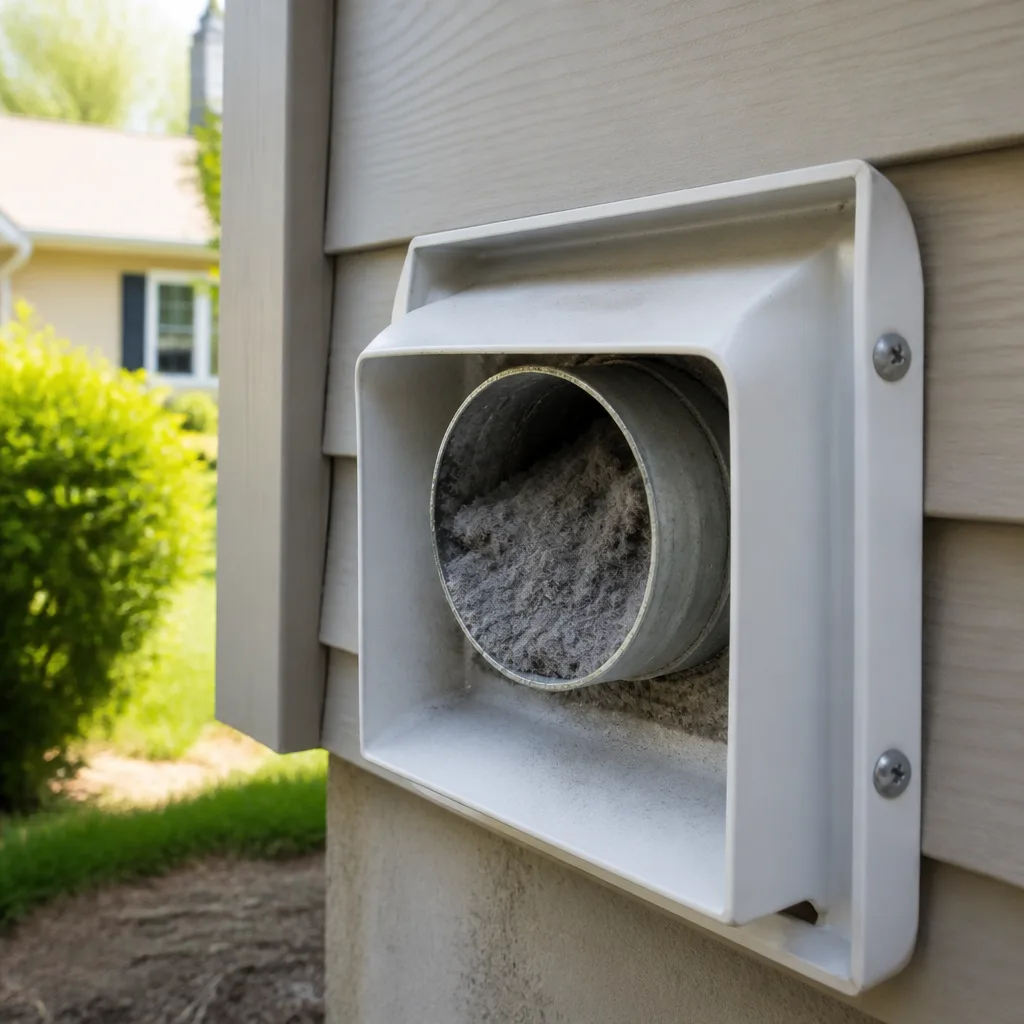 Dryer vent cleaning
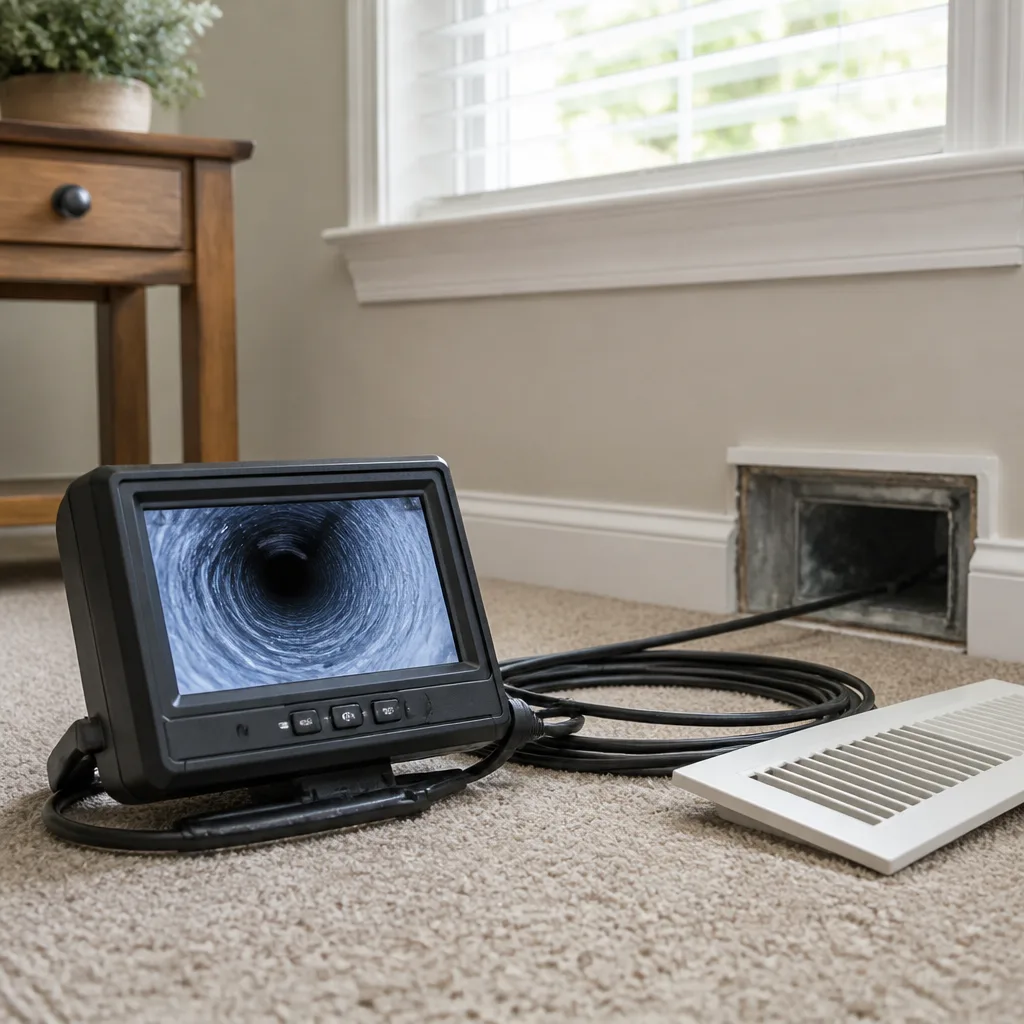 Camera inspection
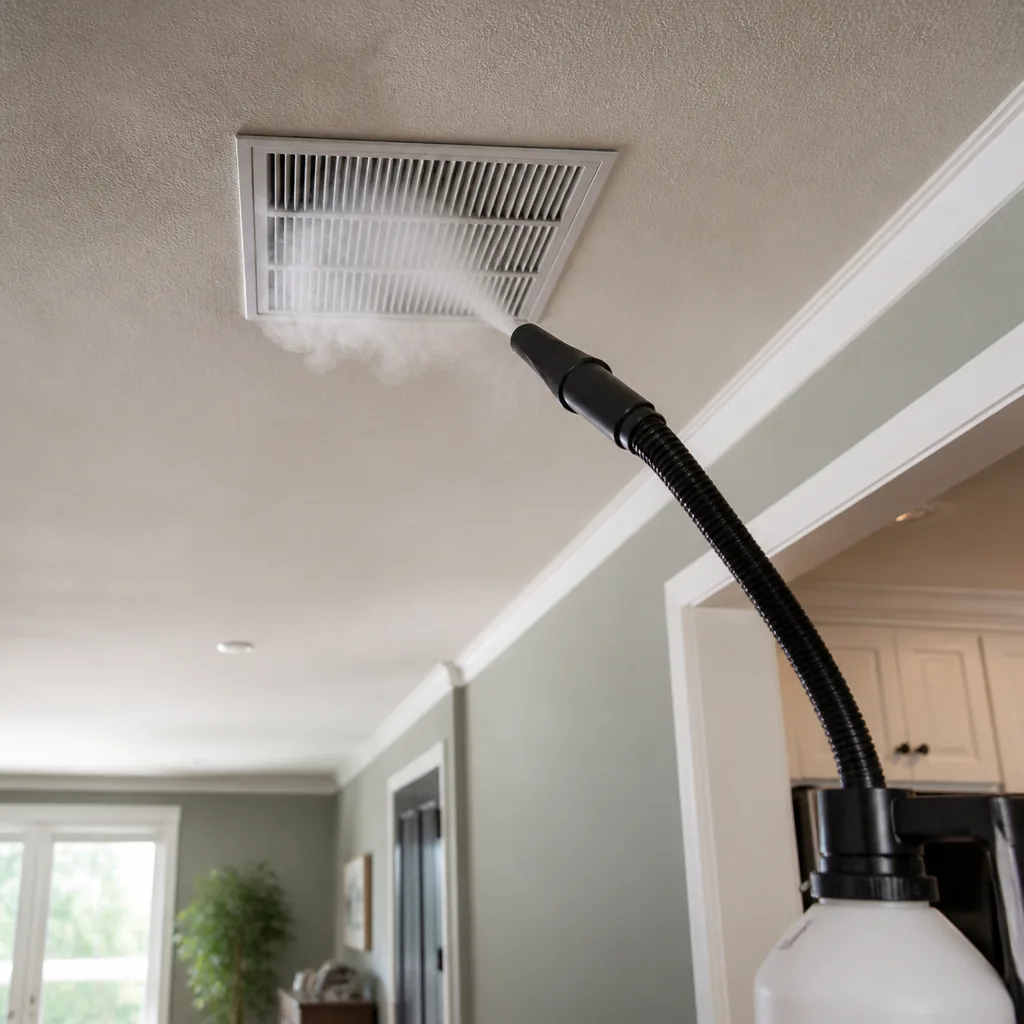 Sanitizing & deodorizing
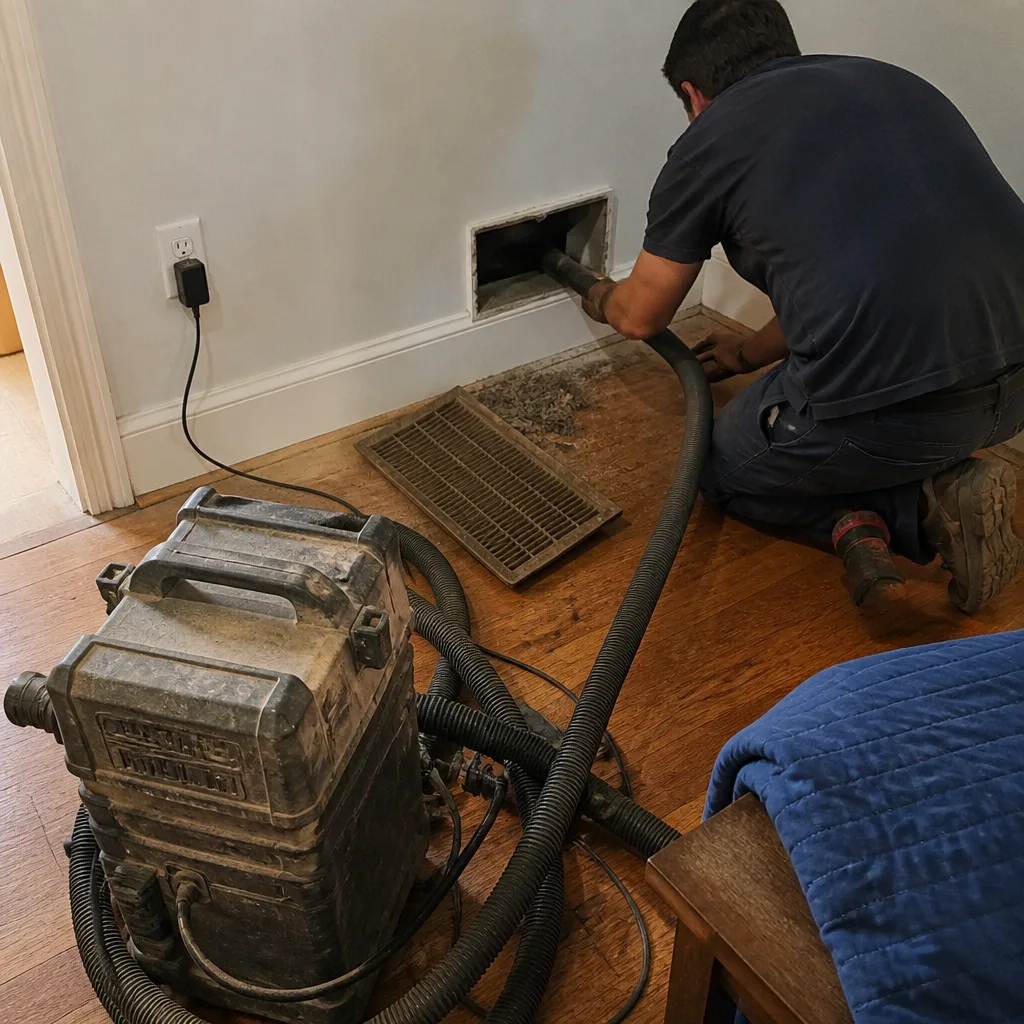
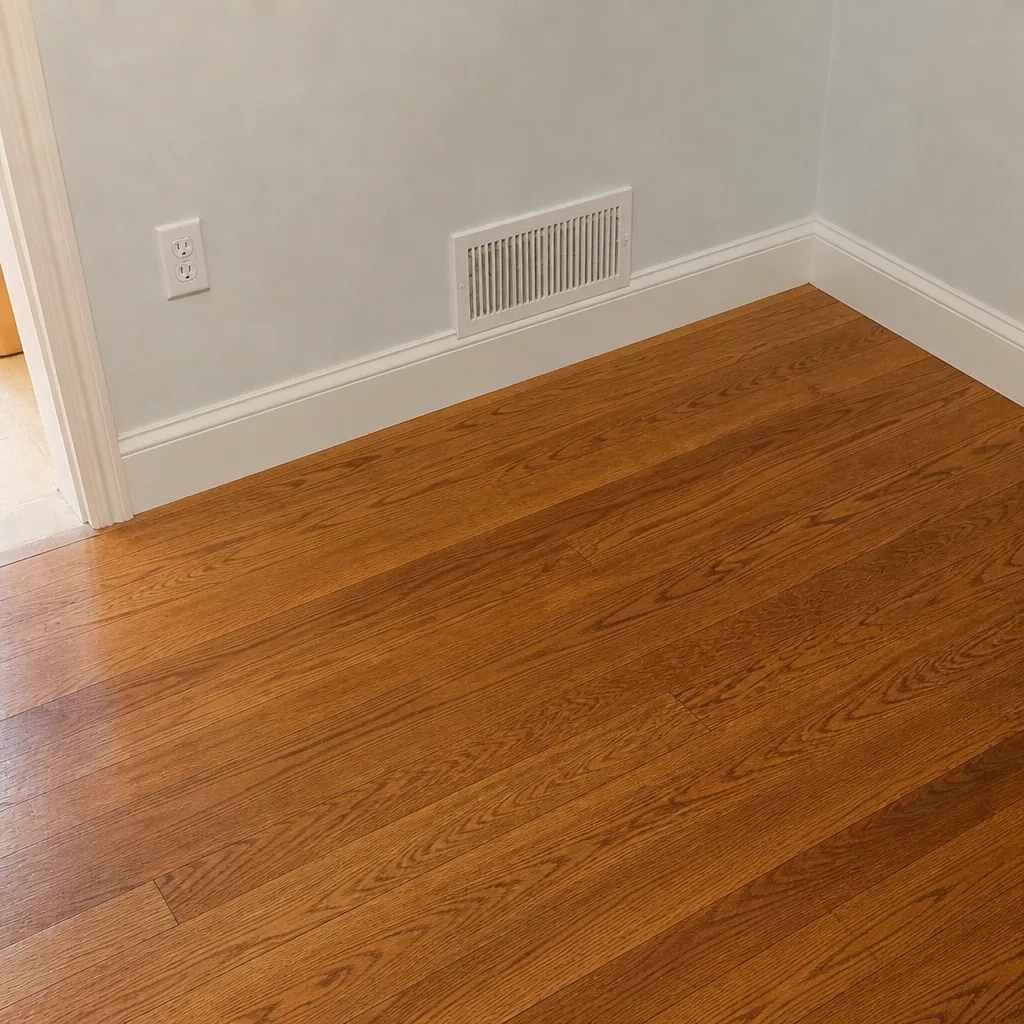
Whole-system duct and dryer vent check with before-and-after photos - you see exactly what came out of your vents
That "$99 whole-house special" is a bait ad - the real number appears once they are in your hallway, or the "clean" is a shop-vac at the register. We photograph the inside of your ducts before and after instead.
DIY vs Professional Air Duct Cleaning: The Virginia-Highland Homeowner’s Decision Guide
Renting a consumer-grade duct cleaning kit and running it through your registers does one thing well: it stirs debris loose from register openings and redistributes it into your living space without the negative pressure containment needed to actually remove it. That’s the part most DIY guides leave out. The framing of DIY versus professional work is usually sold as a cost-versus-quality tradeoff, but the more useful frame for a Virginia-Highland homeowner is a capability boundary. There are tasks you can do well, tasks that require equipment with no consumer equivalent, and a third category where a DIY attempt causes real damage. This guide maps all three zones, with honest costs on both sides.
Quick Answer
DIY air duct cleaning in Virginia-Highland is realistic for register and return grille cleaning, filter upgrades, and visual inspection, but it cannot remove settled debris from inside branch runs because that requires negative pressure containment and rotary agitation equipment. Professional cleaning is the right call when you see visible buildup beyond the registers, notice musty odors or uneven airflow, or your home has fiberglass duct board, where improper brushing causes permanent damage. The best approach is usually hybrid: a professional full-system clean as a reset point, then disciplined DIY maintenance to stretch the interval.
Styles & brands we work with
- Whole-home duct cleaning
- Dryer vent cleaning
- Camera inspection
- Sanitizing & deodorizing
Table of Contents
- The Three Zones: What DIY Handles, What It Can’t, and What It Ruins
- Zone One: What You Can Legitimately Do Yourself
- Zone Two: Tasks That Require Professional Equipment
- Zone Three: Where DIY Attempts Cause Damage
- DIY vs Professional: The Honest Cost Comparison
- The Hybrid Approach: Professional Reset, DIY Maintenance
- How to Vet a Duct Cleaning Provider
- Common Mistakes to Avoid
- When to Call a Professional
- Frequently Asked Questions
The Three Zones: What DIY Handles, What It Can’t, and What It Ruins
Duct cleaning questions usually get answered as a single yes-or-no. In practice, the work splits into three distinct zones, and each one has a different answer.
Zone one is surface-level maintenance at the parts of the system you can reach: register covers, return grilles, the visible throat of each supply, and your filter housing. A homeowner with a vacuum, a screwdriver, and a camera phone can do genuine, useful work here.
Zone two is source removal inside the duct pathway itself. That means branch runs behind walls, the supply and return plenums, and the air handler cabinet. The reason this is professional territory isn’t gatekeeping; it’s physics. Loose debris has to be captured under negative pressure while it’s being agitated, or it simply relocates into the room. That requires a vacuum unit with far more static pressure than any shop vac and a rotary brush system designed to reach into the duct interior.
Zone three is the dangerous one. Some duct materials degrade permanently under the wrong mechanical contact. Fiberglass duct board, common in older Virginia-Highland homes, is the clearest example: it has an internal facing that abrasion destroys, and once the surface is compromised the ductboard itself becomes a particle source. A homeowner who buys an aggressive brush kit online and runs it through a ductboard branch can create exactly the contamination problem they were trying to solve.
Understanding which zone a given task lives in is the entire decision. Everything below expands on each.
Zone One: What You Can Legitimately Do Yourself
There’s real work a Virginia-Highland homeowner can do without professional equipment, and doing it well extends how often you need a full clean. These tasks are low-risk and take a couple of hours a few times a year.
- Remove and wash register covers and return grilles. Pop each cover off, wash it in a utility sink with dish soap, dry it fully, and reinstall. The return grille is the one that collects the most, because every cubic foot of air in the house passes through it.
- Vacuum the visible throat of each supply. Take a crevice tool as far into the register opening as it will reach without forcing, and pull back what’s sitting on the surface. What you’re removing is the loose material at the mouth of the duct, not the settled layer further in.
- Inspect with your phone camera. On many registers you can angle a phone with the flashlight on into the duct and photograph the interior ten or twelve inches in. Compare a supply in a bedroom against one in a hallway. Uneven buildup tells you something about the system, and a photo record lets you see genuine change over time.
- Optimize the filter side of the system. Check the filter size against the housing label, make sure it’s seated with no gap around the edges, and change it on a realistic schedule. A poorly seated filter lets air bypass the media entirely, which loads the ducts faster than a dirty filter does.
- Keep the return path clear. A sofa or drape pushed against a return grille chokes the system and raises the velocity at every other return. Move furniture back a few inches.
None of these replace a full-system clean. They do one thing well: they keep the easy accumulation from stacking up, which is the legitimate case for DIY in Virginia-Highland.
Zone Two: Tasks That Require Professional Equipment
Four tasks in a residential duct system have no consumer equivalent. This is where the capability boundary sits, and it’s worth understanding what the equipment actually does rather than taking it on faith.
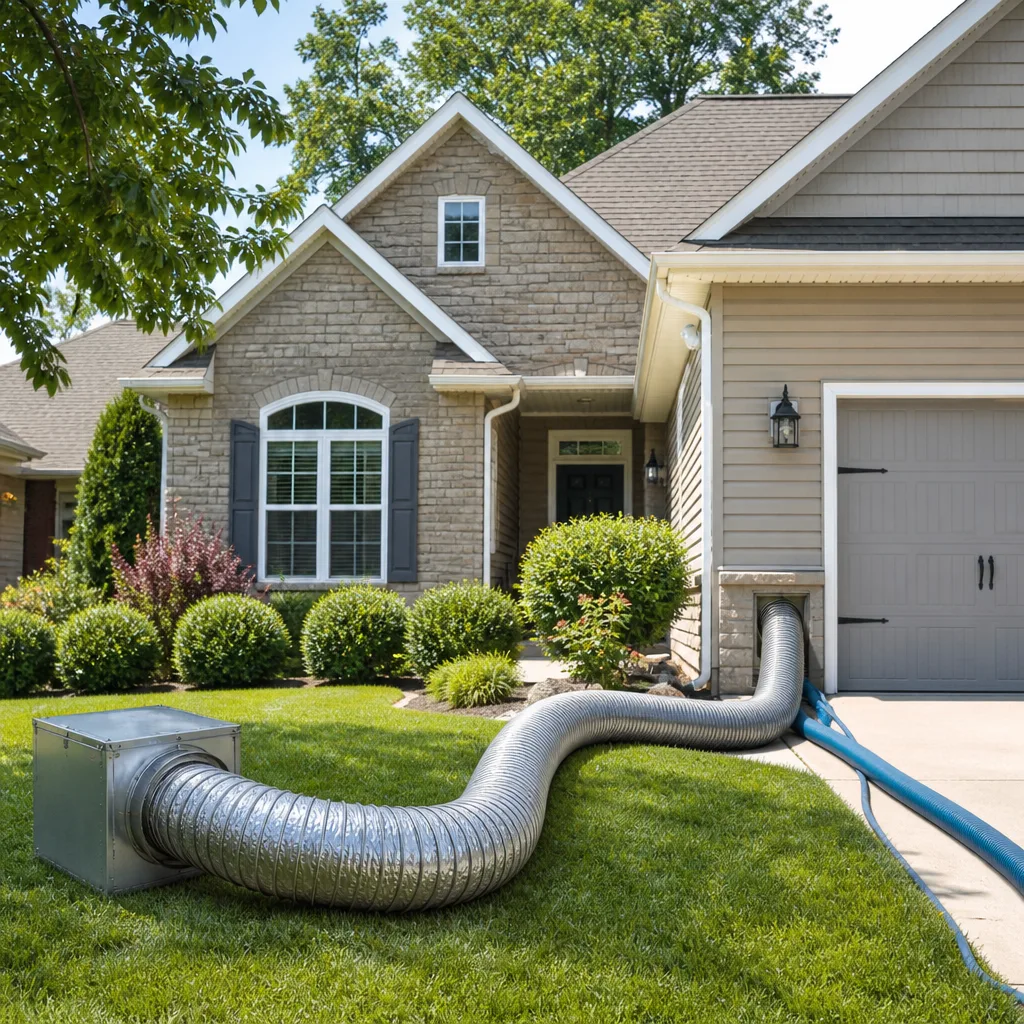
Negative pressure source removal. The core of any real clean is a high-volume vacuum connected to the system that puts the entire duct pathway under negative pressure before anything is agitated. Debris loosened inside the duct is pulled toward the vacuum, not into the room. No rental unit or shop vac generates enough airflow for this. Our technicians connect a Rotobrush system for agitation and extraction, and we run Abatement Technologies air filtration units in the work area to capture what goes airborne during the process.
Interior brushing of branch runs. A rotary brush on a flexible whip is fed through the duct, contacting the interior wall along the full length of each branch. The contact is the point: buildup adheres to the duct surface, and suction alone skips over it. Nikro equipment is built to the source-removal standard the industry uses for exactly this reason.
Air handler cabinet cleaning. The cabinet housing the blower and coil assembly accumulates dust on the blower wheel, the cabinet floor, and the insulation. Cleaning it means opening the unit, and the blower wheel in particular comes back to balance only when it’s actually clean. This is HVAC cleaning work, and it’s separate from duct cleaning even though the two are usually done together.
Coil access. The evaporator coil is a wet surface for much of the cooling season, which makes it the place biological growth tends to start. Accessing it properly means opening panels and knowing what you’re looking at. Doing this wrong risks a refrigerant line, and refrigerant work is not a homeowner task.
If your ducts haven’t been serviced in several years, all four of these are likely part of what a real clean involves.
Zone Three: Where DIY Attempts Cause Damage
This is the category that gets the least attention and matters the most in older housing stock. Virginia-Highland has a substantial number of homes built before modern duct standards, and a fair number of them were retrofitted with fiberglass duct board rather than sheet metal. Duct board is rigid insulation board with a foil or coated facing on the inside. It performs well when it’s intact and it fails badly when it’s abraded.
Run an aggressive consumer brush or a high-speed drill attachment through a ductboard branch and you can score the internal facing. Once that facing is damaged, air moving through the duct picks up glass fibers from the insulation itself. You haven’t cleaned the system; you’ve turned the duct into a source. There’s no DIY fix for that, and the repair means replacing the affected section.
Three other damage scenarios worth knowing:
- Crushed flex duct. A brush with too much stiffness, pushed too hard around a bend, can kink or collapse the inner liner of flex duct. Flex duct that’s been crushed stays crushed, and its airflow capacity drops permanently.
- Disconnected joints. Duct sections in older homes are often joined with tape and mechanical fasteners that have aged. Force applied from the wrong direction can open a joint inside a wall cavity, and now you have a duct leaking into the building envelope where you can’t see it.
- Chemical sanitizers used wrong. Consumer foggers applied without addressing the underlying moisture problem just add residue to a surface that will grow again. Sanitizing works as a step after mechanical cleaning, not instead of it.
This is also why the air duct cleaning we perform starts with assessing the duct material before any brush goes in. If a system is ductboard, the approach changes.
DIY vs Professional: The Honest Cost Comparison
The cost comparison most homeowners get is dishonest in both directions. Renting equipment isn’t free, and professional work isn’t cheap. Here’s a straight accounting of what each actually involves.
What DIY actually costs. A consumer duct cleaning kit runs roughly $30 to $80 at a home improvement store, and a shop vac you may already own. Rental of a more capable vacuum unit, where one is even available, runs somewhere in the $60 to $120 range for a day. Add your time: a genuine pass over every register, return, and filter in a typical Virginia-Highland house is two to four hours. What you get for that is removal of loose debris at the register openings and cleaned grilles. What you don’t get is any reduction of the settled layer inside the branch runs and plenums, which is where the bulk of the material sits.
What professional cleaning covers. A whole-system clean is priced per system based on the number of branch runs, the number of systems, and access difficulty. It includes negative pressure source removal, rotary brushing of the accessible runs, air handler cabinet cleaning, and before-and-after documentation so you can see the difference. Sanitizing, duct repair and sealing, and dryer vent work are separate line items when they’re needed. Typical whole-system ranges in the Virginia-Highland market run from a few hundred dollars for a single compact system to well over a thousand for a large multi-system home with difficult access, and the written estimate sets the final price.
| Task | DIY feasibility | Equipment needed | Result |
|---|---|---|---|
| Register cover and return grille cleaning | Fully doable | Utility sink, dish soap | Grilles clean; duct interior unchanged |
| Filter inspection and replacement | Fully doable | Correct filter size | Reduces loading rate on the system |
| Visual inspection into branch runs | Doable with limits | Phone camera and flashlight | Photos of the first foot or so only |
| Negative pressure source removal | Not possible | High-volume vacuum with containment | Physical extraction of settled debris |
| Interior brushing of branch runs | Not safe | Rotary brush whip system | Contact cleaning of duct walls |
| Air handler cabinet cleaning | Not recommended | Panel access, blower handling | Clean blower and cabinet interior |
| Evaporator coil access and cleaning | No | Technical training, refrigerant caution | Removes the growth medium at its source |
| Duct board interior brushing | Actively damaging | Low-abrasion professional method | Avoids permanent facing damage |
Put plainly: DIY is cheaper, but it addresses a small percentage of the actual accumulation. Professional work addresses the rest. The gap between them isn’t a marketing gap, it’s a capability gap.
The Hybrid Approach: Professional Reset, DIY Maintenance
The most cost-effective approach for most Virginia-Highland homes is neither pure DIY nor a full professional clean on a fixed calendar. It’s a reset-and-maintain cycle, and it’s what we recommend to homeowners who ask what actually makes sense.
- Start with a professional full-system assessment and clean. This establishes a known baseline. It also tells you things you can’t learn any other way: what your duct material actually is, whether there are disconnected joints or crushed sections, whether the air handler and coil need attention, and whether the system needs sealing. Before-and-after photos of your own ducts give you that record.
- Address any duct defects found. Cleaning a leaking system is temporary. Duct repair and sealing closes the gaps that let contamination and conditioned air escape. In older homes this is frequently the step that produces the biggest airflow improvement.
- Take over maintenance yourself. From that baseline, the Zone One tasks above are yours: grille washing, filter discipline, periodic camera inspection, keeping returns clear. Done consistently, they slow the rate at which the system re-accumulates.
- Reassess based on evidence, not the calendar. Check your camera photos every few months. If buildup inside the accessible duct is climbing, it’s time for another professional pass. If it’s holding steady, it isn’t. That’s a more defensible trigger than a fixed number of years.
- Keep the dryer vent on a separate track. Dryer vent cleaning is a distinct service with its own risk profile, and it’s not something a shop vac reaches effectively through a full run.
This cycle gets you the full benefit of professional cleaning at a lower long-run cost, without pretending the equipment gap doesn’t exist.
How to Vet a Duct Cleaning Provider
The duct cleaning industry has earned a reputation problem, and the way to protect yourself is to ask specific questions before anyone arrives. A provider who does source-removal work will answer all of these without hesitation.
- Ask what equipment they use and whether it creates negative pressure. “We put a vacuum on the system” is not the same answer as a named source-removal system. Rotobrush and Nikro-based work is a reasonable signal that someone is doing contact cleaning rather than surface wiping.
- Ask how they protect the living space during the job. Abatement Technologies filtration units in the work area are the standard answer. If the response is vague, that’s information.
- Ask for the price per system, in writing, before work starts. One flat price per system agreed in advance is the norm we work to. Be wary of any provider that quotes per vent; per-vent pricing encourages rushing and invites change orders.
- Ask to see before-and-after photos of your own ducts when the work is done. Not stock photos. Yours. A provider who can’t document the work likely didn’t do much of it.
- Ask whether they inspect duct material before brushing. A technician who doesn’t know whether your ducts are sheet metal, flex, or ductboard before starting is a risk to your system.
- Ask whether they offer repair and sealing. A company that only cleans has no path to fixing what it finds.
For a broader service overview, the main page at Air Duct Cleaning Virginia-Highland lays out the full scope. For an exact quote on your system, call (833) 513-8601 and we’ll walk through what your home actually needs.
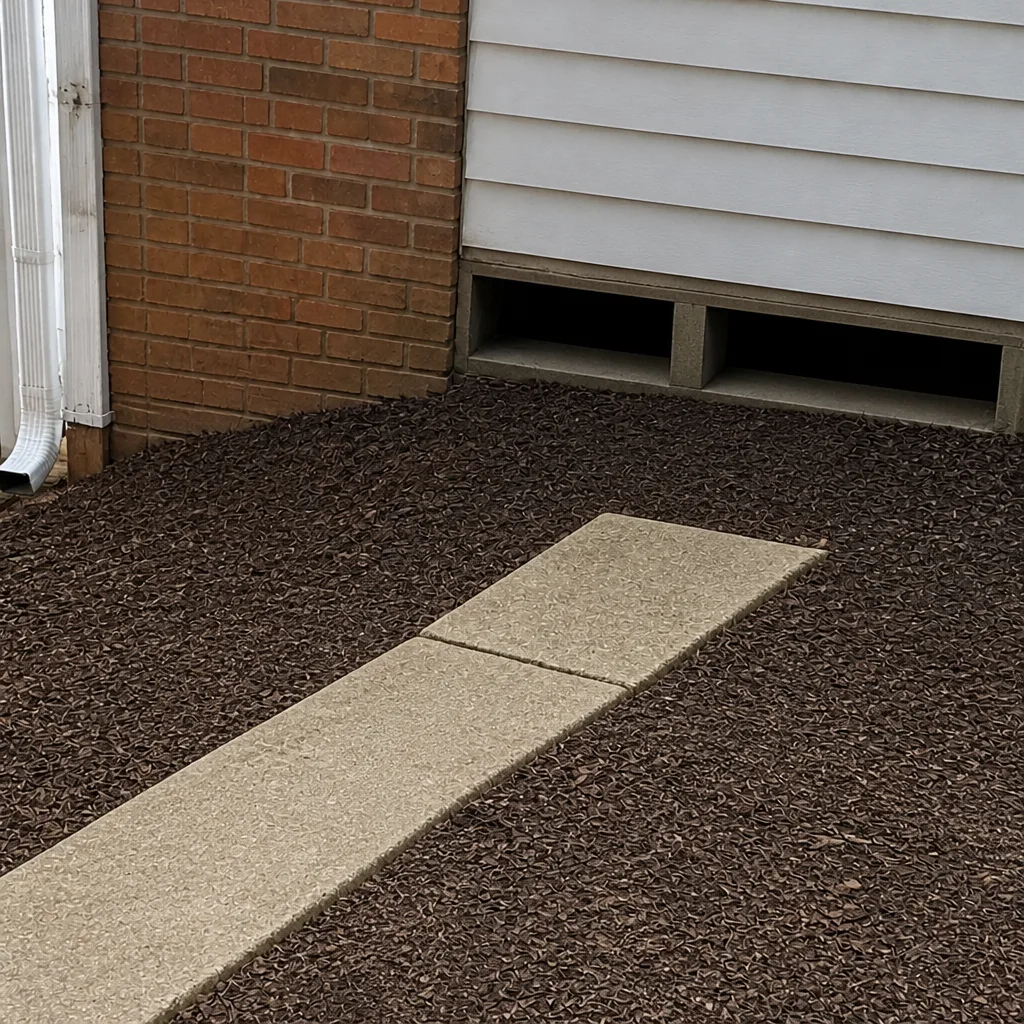
See the difference
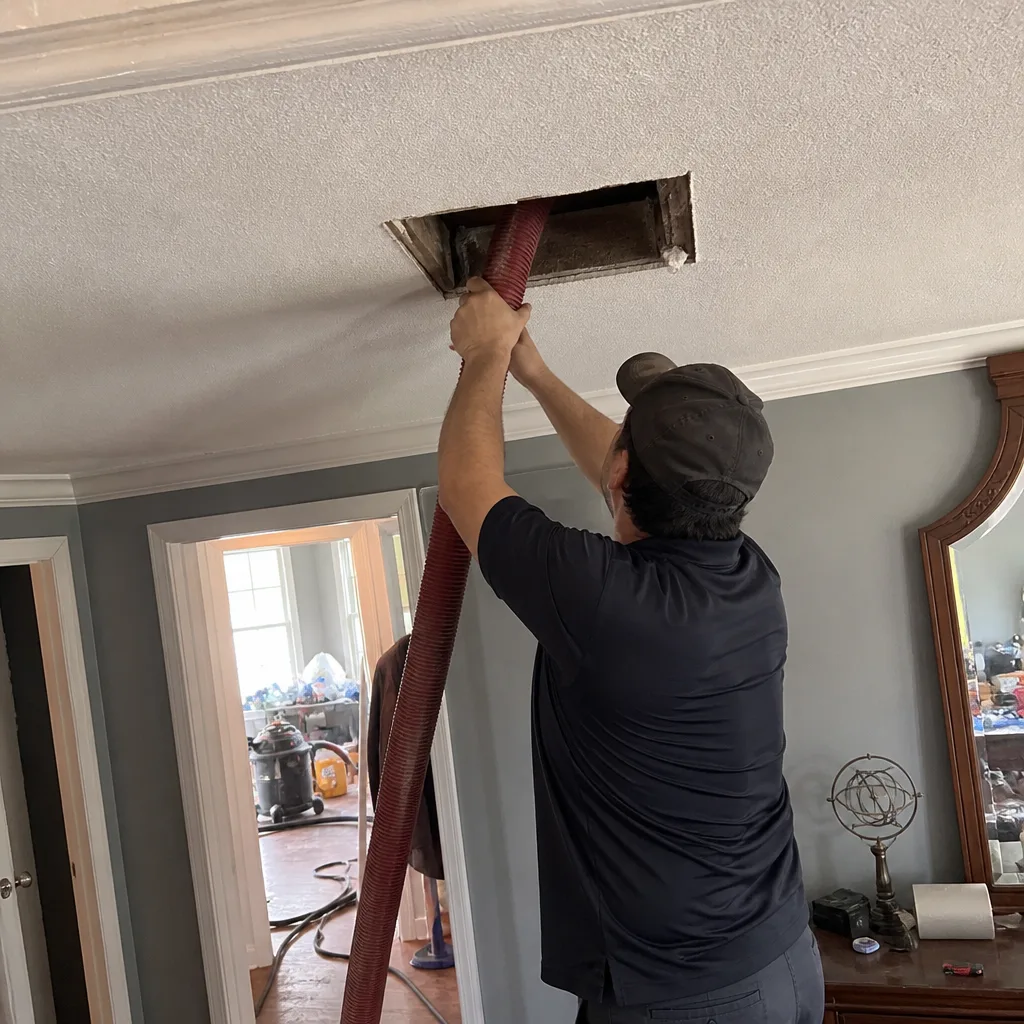 Before
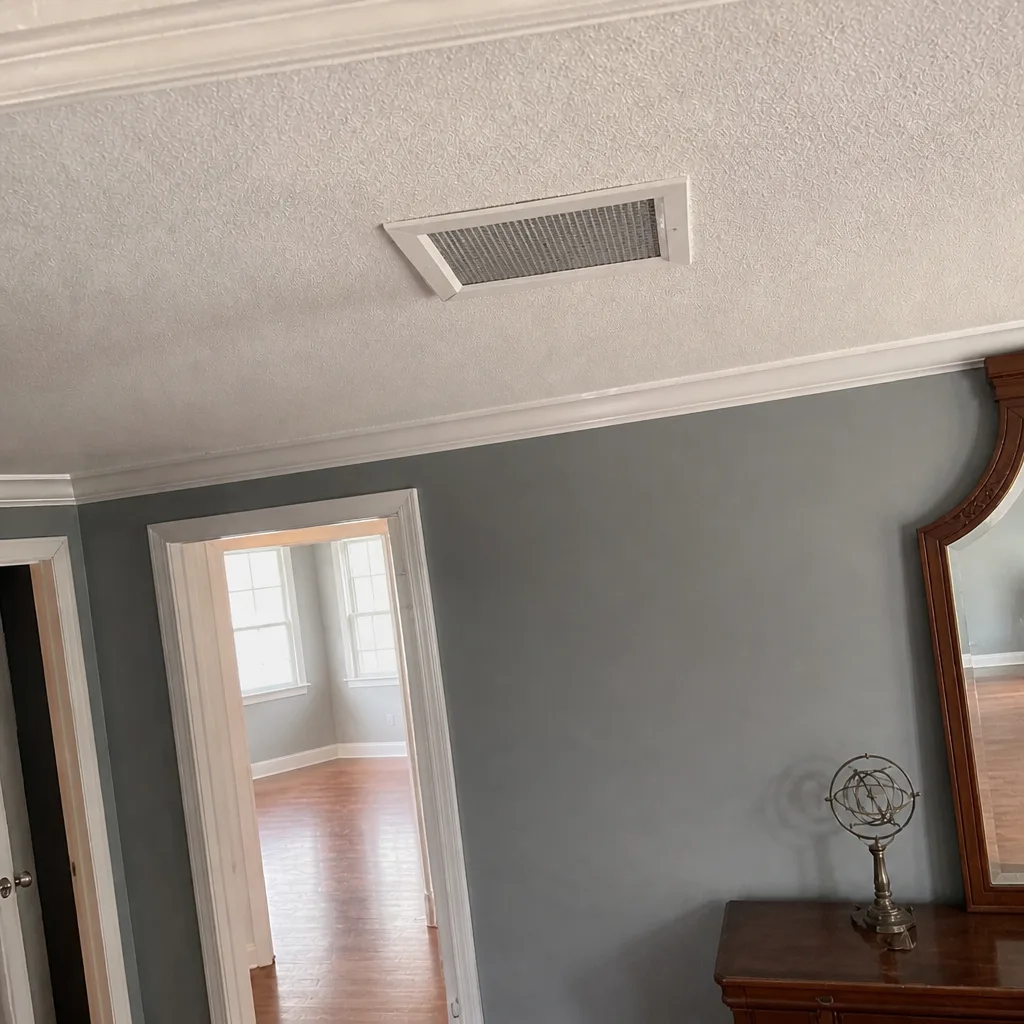 After
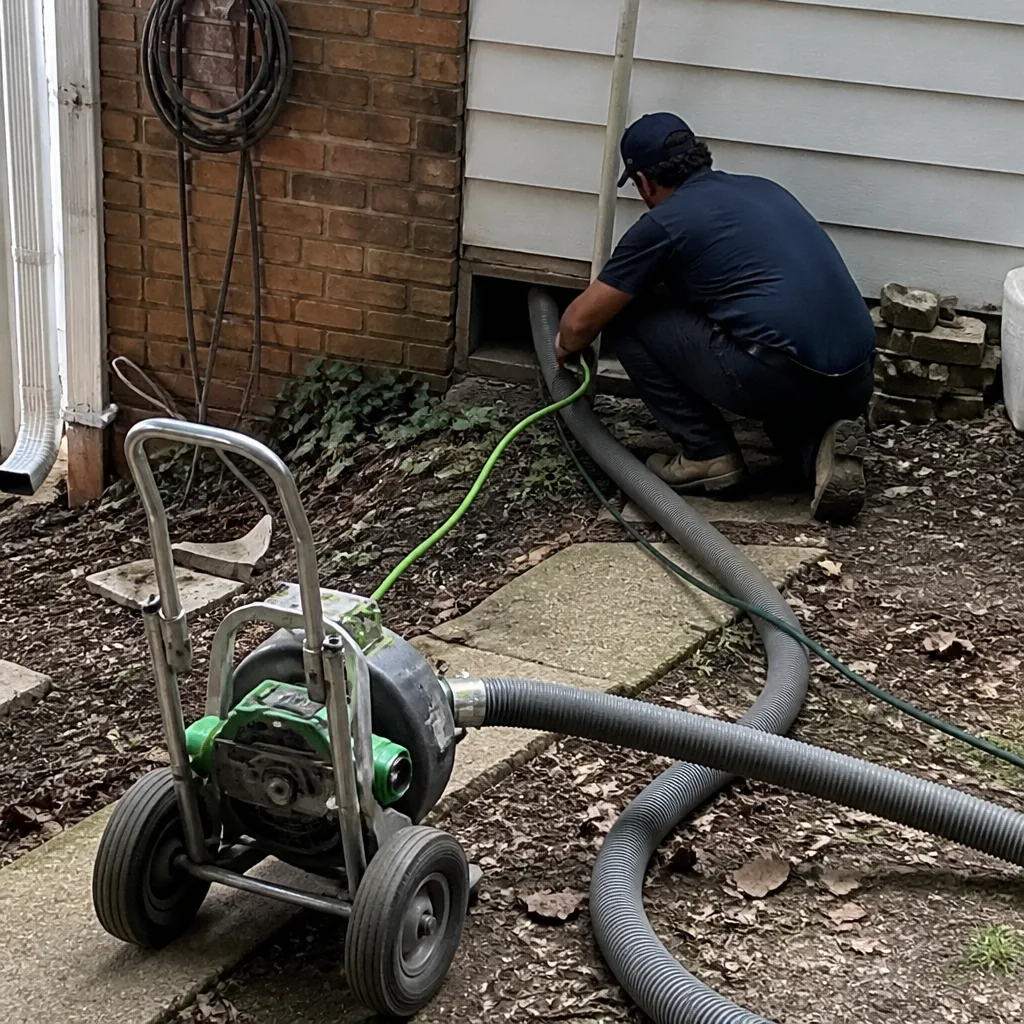 Before
 After
 Before
 After
Common Mistakes to Avoid
- Buying an aggressive brush kit without knowing your duct material. In Virginia-Highland’s older homes, fiberglass duct board is common, and aggressive brushing destroys the internal facing permanently. Identify the material before you buy equipment.
- Assuming a shop vac on the register does anything meaningful. A shop vac at the register extracts loose dust at the opening and nothing deeper. The light dusting you see come up is not a measure of the settled layer further inside.
- Fogging the system with sanitizer instead of cleaning it. Sanitizing is a step that follows mechanical cleaning. Applied to a dirty duct, it adds residue to a surface that will regrow growth as soon as moisture returns.
- Changing the filter size or skipping the seal. A filter that doesn’t seat properly lets air bypass the media entirely, which loads the ducts faster and defeats the purpose. Match the size on the housing label.
- Ignoring the air handler while cleaning the ducts. The blower wheel and cabinet collect their own layer. Cleaning the duct pathway and leaving the blower dirty means reintroducing contamination immediately.
- Choosing a provider on the lowest quote without asking about equipment. Per-vent pricing and vague equipment descriptions are the two most reliable warning signs in this trade. Ask the questions in the vetting section above.
- Treating the calendar as the maintenance schedule. Duct cleaning intervals depend on your system, filter discipline, pets, and renovations. A camera photo tells you more than a number of years.
When to Call a Professional
Call a professional when you can see visible buildup beyond the register opening, when you notice a musty or stale smell that shows up shortly after the system starts, or when airflow is noticeably uneven between rooms. Call if your system hasn’t been serviced in several years and you have no record of it ever being cleaned. Call if anyone in the home has persistent allergy-like symptoms that follow the AC season. Call if you’ve had renovations or remodeling that generated dust, because construction debris settles deep. And call if you don’t know what your duct material is before attempting any DIY brushing, because that’s a question worth answering before an expensive mistake rather than after. Air Duct Cleaning Virginia-Highland offers free estimates in Virginia-Highland. Call (833) 513-8601. We answer 24/7. Fast dispatch from 7am to 7pm, Sunday through Friday.
Frequently Asked Questions
You can clean the accessible parts: register covers, return grilles, the visible throat of each supply, and the filter housing. You cannot effectively remove settled debris from inside branch runs, because that requires negative pressure containment and rotary brushing equipment. If your ducts are fiberglass duct board, DIY brushing is more likely to damage the duct than clean it.
There’s no single correct interval; it depends on your system, your filter discipline, pets, and whether you’ve renovated. A more useful rule is evidence-based: after a professional clean and a camera record of your ducts, check periodically and rebook when buildup is visibly climbing. Homes with pets or heavy dust loads tend to need it more often than homes without. Call (833) 513-8601 for an exact quote on your system; estimates are free.
Only marginally. A shop vac at the register removes loose surface dust at the opening, which is a small fraction of what’s in the system. The settled layer inside the branch runs stays where it is, and the fine material you dislodge without containment ends up in your living space.
Usually because the scope is smaller than a real clean: per-vent pricing that covers surface vacuuming at the openings, no negative pressure containment, no air handler work, and no interior brushing. The low number reflects a different job, not a better deal. Ask about equipment and containment before comparing prices. Call (833) 513-8601 for an exact quote; estimates are free.
Ask for before-and-after photos of your own ducts, not stock images. A provider doing genuine source removal can document the change inside the runs. You should also be able to see the containment equipment in place while work is underway.
Frequently, yes. The older housing stock in this neighborhood includes systems with fiberglass duct board and aged flex duct, both of which require a gentler method than sheet metal. Disconnected or taped joints are also more common, which makes duct repair and sealing a routine part of the work rather than an upsell. A provider should inspect duct material before starting.
Filter discipline reduces how fast the system loads, but it doesn’t clean the system. Debris that has already settled in the branch runs and plenums stays there, and filters don’t address the air handler, blower wheel, or coil. A professional clean as a reset point, followed by disciplined DIY maintenance, is the cycle that costs least over time.
The Bottom Line
The DIY versus professional question isn’t really about money. It’s about which zone of work you’re in. Register covers, return grilles, filters, and camera inspection are genuinely yours to handle, and doing them well slows re-accumulation. Negative pressure source removal, interior brushing, air handler cleaning, and coil access require equipment with no consumer equivalent. And brushing fiberglass duct board without knowing what you’re working with can turn a functioning duct into a permanent particle source. Use a professional full-system clean as a reset point, keep the easy maintenance in your own hands, and check your ducts with a camera rather than the calendar.
Contact
If you’d like a straight assessment of what your Virginia-Highland home actually needs, we’ll walk through the duct material, the air handler, and any sealing work in one visit, and give you one flat price per system in writing before anything starts. We answer 24/7. Fast dispatch from 7am to 7pm, Sunday through Friday. Call (833) 513-8601 for a free estimate.
Written by the team at Air Duct Cleaning Virginia-Highland.