
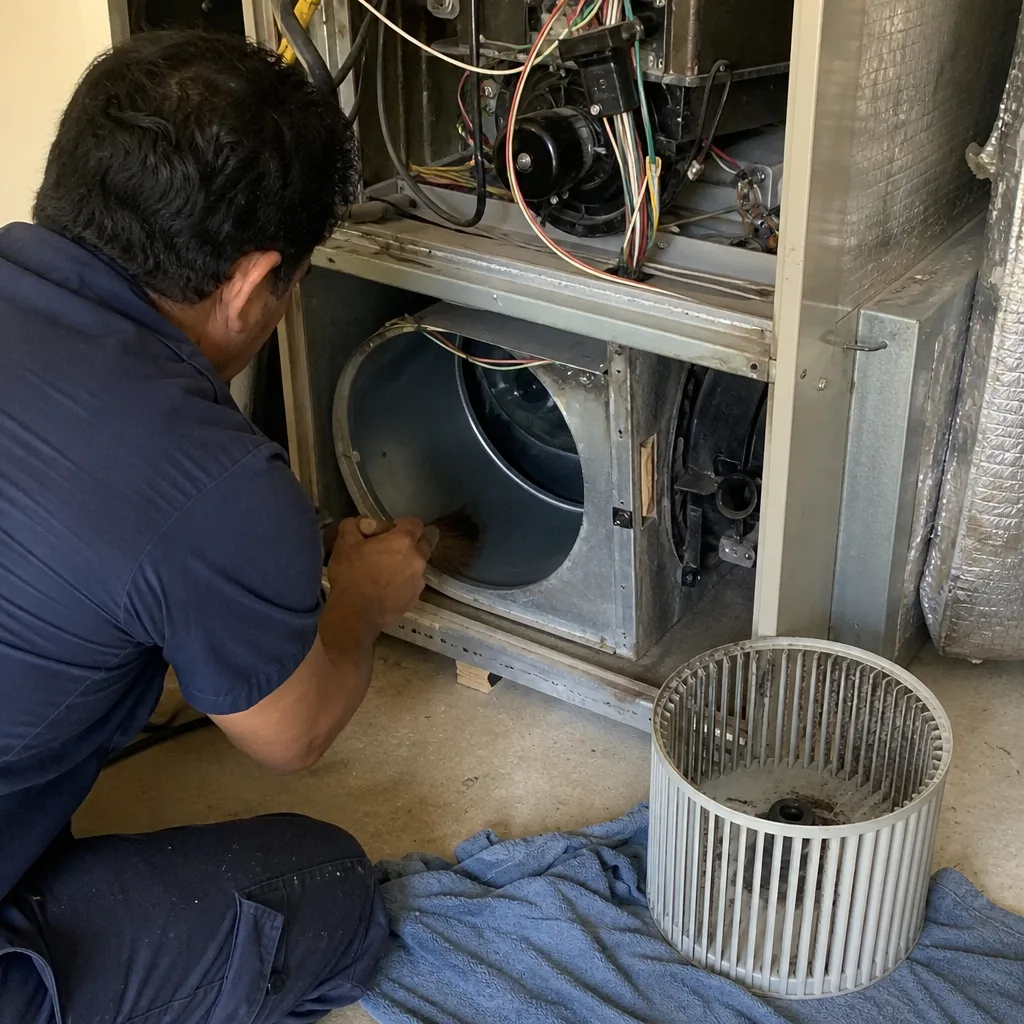
Last updated November 25, 2026
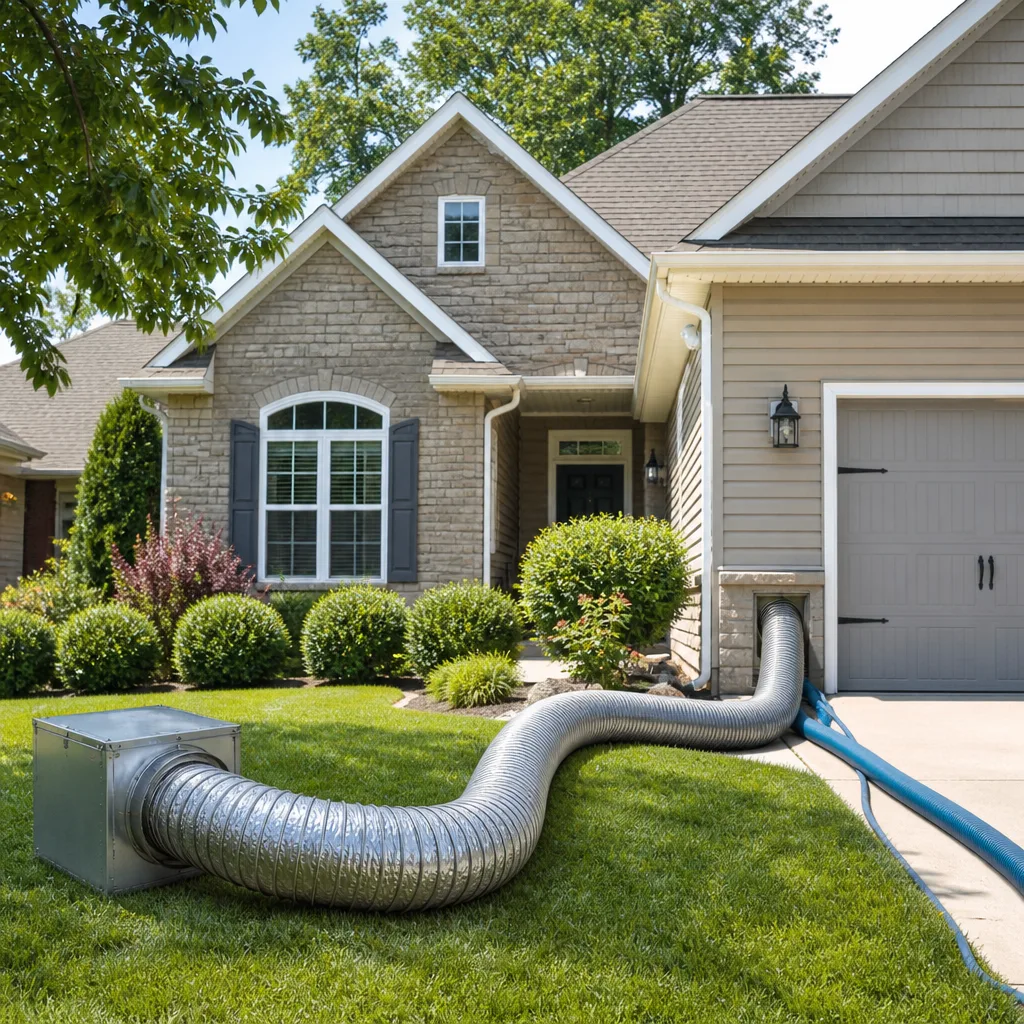 Whole-home duct cleaning
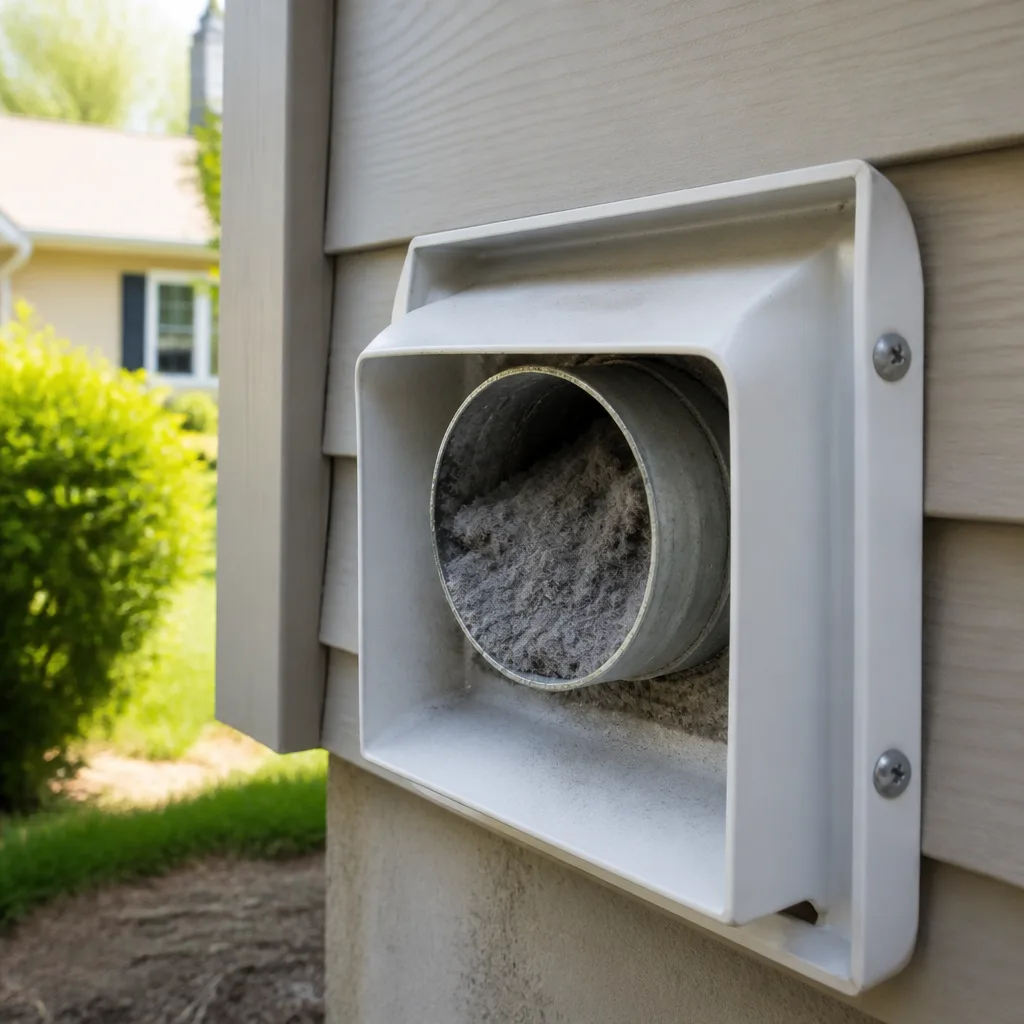 Dryer vent cleaning
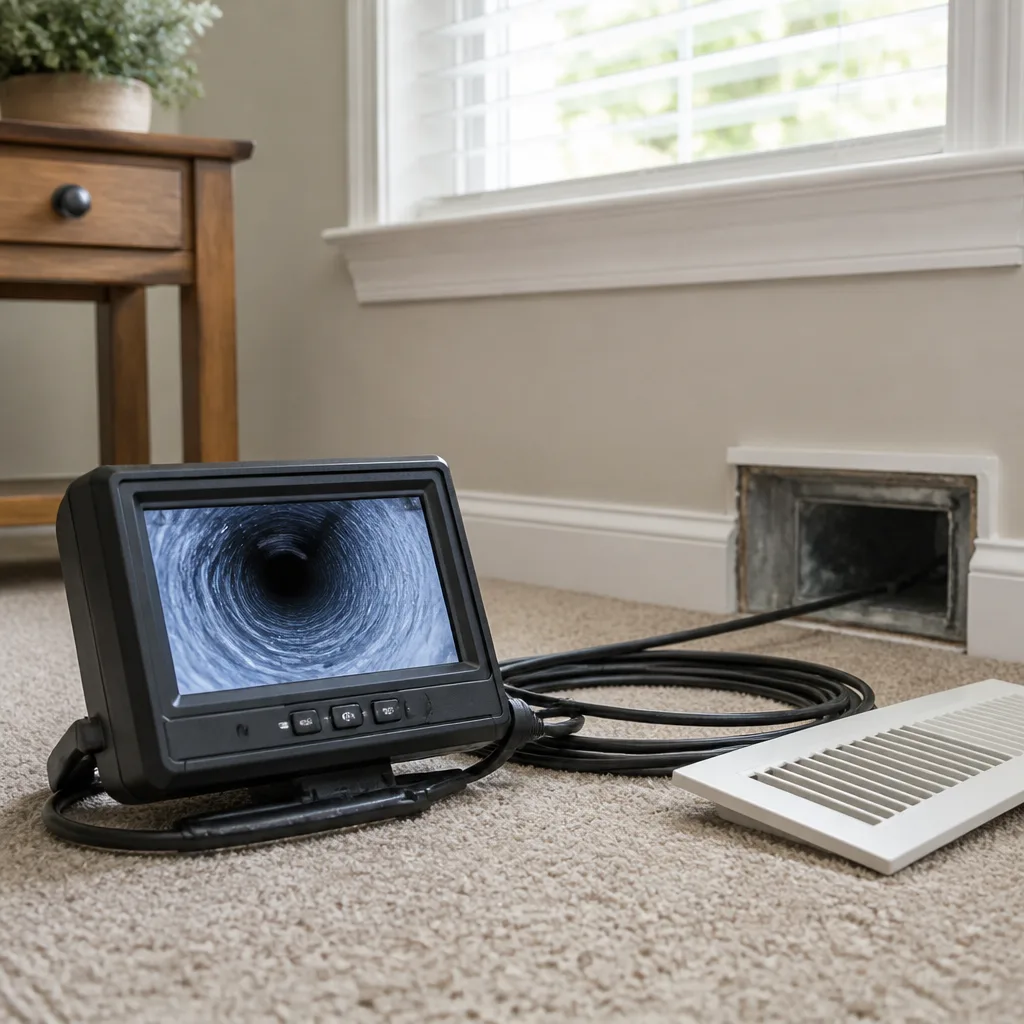 Camera inspection
 Sanitizing & deodorizing
Whole-system duct and dryer vent check with before-and-after photos - you see exactly what came out of your vents
That "$99 whole-house special" is a bait ad - the real number appears once they are in your hallway, or the "clean" is a shop-vac at the register. We photograph the inside of your ducts before and after instead.
How to Hire an Air Duct Cleaning Contractor in Virginia-Highland: A Step-by-Step Guide
If a contractor can’t tell you the CFM rating of their vacuum collection unit or explain what negative air pressure means in the context of your duct system, you don’t have an air duct specialist. You have someone with a hose. Here’s the uncomfortable truth about this trade: there’s almost no barrier to entry, which means the entire vetting process lands on you, the homeowner. The questions that actually protect you aren’t about references or testimonials. They’re technical. This guide gives you a contractor interview framework built on equipment and process, written for the particular housing stock and climate you live with in Virginia-Highland.
Quick Answer
Hiring an air duct cleaning contractor in Virginia-Highland comes down to five things: confirming they use source-removal equipment with a sealed vacuum and negative air pressure (not just a shop vac and a brush), asking for a written scope of work before booking, verifying they’ll photograph duct interiors before and after, understanding that Georgia doesn’t license duct cleaners the way it licenses electricians, and insisting on a flat price per system rather than per-vent pricing. The right contractor will answer equipment questions without hesitation. The wrong one will pivot to a coupon.
Key Takeaways
- Georgia has no dedicated state license for duct cleaning, so equipment and process questions are your main filter.
- NADCA membership sets a floor for competence, not a ceiling. Ask what the crew actually does on the job.
- Source removal means contact agitation plus sealed extraction. Suction alone doesn’t remove bonded debris.
- Before-and-after photos of your own ductwork interior are the minimum proof standard. Ask for them in writing.
- A written scope of work with line items protects you. A one-line quote doesn’t.
Styles & brands we work with
- Whole-home duct cleaning
- Dryer vent cleaning
- Camera inspection
- Sanitizing & deodorizing
Table of Contents
- Why Vetting Falls Entirely on You in Georgia
- The Five Technical Questions to Ask Before You Book
- What NADCA Membership Actually Verifies, and What It Doesn’t
- How to Read a Written Scope of Work
- Why Before-and-After Photos Are the Minimum Standard
- Georgia Licensing Context for Homeowners
- What Virginia-Highland Homes Demand From a Duct Contractor
- The Step-by-Step Interview Checklist
Why Vetting Falls Entirely on You in Georgia
In most home service trades, the state does part of your vetting for you. Electricians, plumbers, and HVAC contractors in Georgia work under a licensing structure that includes exams, continuing education, and a complaint process. Air duct cleaning isn’t in that structure. There’s no state-issued duct cleaning license, no required exam, and no dedicated board that fields complaints when the work is shoddy. That’s not a technicality. It’s the reason carpet-cleaning companies can buy a hose kit and add duct cleaning to their menu next week.
We’ve seen what that looks like on the other side of the job. Ductwork that was “cleaned” with nothing more than a shop vac and a flexible hose often looks worse inside than it did before someone arrived, because the agitation loosened debris without a sealed extraction system to capture it. The material that was bonded to the duct walls now sits in the airstream feeding your registers.
Here’s what actually filters the market:
- Equipment questions. A professional source-removal setup includes a vacuum collection unit with a rated airflow, sealed connections, and contact agitation tools. Anyone who can’t talk about those specifics hasn’t invested in them.
- Process questions. How do they establish negative air pressure? How do they protect the HVAC cabinet during cleaning? Do they clean the plenum and coil, or stop at the registers?
- Documentation questions. Will they photograph duct interiors? Will they put the scope in writing?
The good news for Virginia-Highland homeowners: the trade has a clear professional tier. Businesses that use equipment like Air Duct Cleaning Virginia-Highland relies on, including Rotobrush and Nikro, have committed real capital to doing the work properly. Those systems do source removal the way NADCA standards describe. Ask about the equipment, and you’ll know which tier you’re talking to within two minutes.
The Five Technical Questions to Ask Before You Book
These five questions are structured so that a professional answers them quickly and a generalist flounders. Ask them on the phone before you agree to anything.
- “What’s the CFM rating on your vacuum collection unit, and how do you establish negative air pressure?” A dedicated duct cleaning vacuum is rated in cubic feet per minute and is connected to the duct system in a way that keeps the whole pathway under negative pressure during agitation. That’s what prevents dislodged debris from blowing into your living space. Someone using a wet/dry shop vac and a brush can’t answer this, because shop vacs aren’t designed for duct collection volumes.
- “What equipment do you agitate with, and how does it reach the duct walls?” Source removal depends on contact cleaning, which means rotary brush and whip systems that physically break debris off the interior surface. Suction-only “cleaning” leaves whatever is bonded to the walls right where it is.
- “Do you clean the supply, return, and the air handler cabinet, and do you protect the coil?” A full-system clean covers the whole air pathway. Cleaning supply runs while skipping the return plenum and cabinet leaves a large contamination source untouched and immediately feeding back into the cleaned portion.
- “Will I get before-and-after photos of the duct interiors, and a written scope of work before the job?” These are documentation standards, not upsells. Either the contractor can produce them or they can’t.
- “Is your price per system, or per vent, and what’s included in the flat rate?” Per-vent pricing is how low teaser quotes turn into larger invoices once the technician is on site. A flat price per system, agreed before work starts, keeps the number honest.
We’ll get into duct repair and sealing later, but it’s worth flagging here: if the answer to question three reveals damaged or disconnected duct sections in your Virginia-Highland home, you’ll want a contractor who can address it in the same visit rather than clean around it. Cleaning without sealing means the contamination source stays open.
What NADCA Membership Actually Verifies, and What It Doesn’t
NADCA, the National Air Duct Cleaners Association, publishes the assessment, cleaning, and restoration standards most of the professional tier of this trade works from. Membership with the association, and the training that goes with it, does verify a few things worth having. It does not verify everything a homeowner might assume, and understanding the gap is where the real value of this section lives.
What membership verifies
- The contractor has committed to a published industry standard for source removal and system assessment.
- There’s a trade body with standards the work can be measured against, which gives you something to reference if the job goes wrong.
- At least one person in the business has taken professional development training in duct cleaning, rather than treating it as an add-on service.
What it doesn’t verify
- It doesn’t guarantee every technician on every job is trained. It’s a business-level affiliation, not a per-crew certification for the person who shows up.
- It doesn’t replace your own equipment questions. A member company that shows up with a shop vac hasn’t met the standard regardless of what’s on their website.
- It doesn’t grant a state license in Georgia, because Georgia doesn’t issue one.
That’s why we think of NADCA as a floor, not a ceiling. The equipment and process questions in the previous section test the actual work. NADCA membership tells you the business cares about the trade standard. Both matter, and neither one carries the whole job. On the equipment side, Nikro makes professional-grade systems that meet NADCA-recognized source-removal standards, and a qualified contractor using that equipment can do genuine source removal from start to finish.
For a Virginia-Highland homeowner, the practical takeaway is: use NADCA affiliation as a first filter, then verify with the interview. If the contractor references the standards fluently and can point to the equipment in their setup, you’re on the right track. If they mention membership but can’t explain how they establish negative air pressure, keep looking.
How to Read a Written Scope of Work
A one-line quote that says “clean air ducts, $199” tells you almost nothing. A written scope of work tells you exactly what will happen to your system, which rooms are covered, what equipment is going in, and what the flat price includes. Ask for the scope in writing before booking, and read it against this list.
Line items that should always appear
- Supply and return duct runs, listed by the number of runs covered.
- The air handler cabinet and blower section, whether it’s being cleaned or protected during work.
- The main trunk and plenum, which is the largest duct section in most systems.
- Register and grille removal, cleaning, and reinstallation.
- The collection vacuum setup and negative-air-pressure method used during agitation.
- Before-and-after photo documentation delivered to you.
Line items whose omission is a red flag
- No mention of the return system. Cleaning supply ducts while skipping returns leaves a large contamination source open.
- No mention of the air handler. This is where the blower and coil sit, and contamination here gets drawn straight through the system.
- No mention of the collection method. If the scope doesn’t describe how debris is captured, it’s probably suction-only.
- No mention of photo documentation. Without it, you have no way to confirm the work was done the way it was described.
- Per-vent pricing with no flat system price. This is the structure of a bait-and-switch: a low teaser rate that grows as the technician goes from room to room.
If a scope of work is written well, it reads like a job description for the system in your house, not a flyer. If it reads like a flyer, that’s the answer. For homeowners comparing how duct cleaning fits into a broader service menu, air duct cleaning details what a full-system clean typically covers.
Why Before-and-After Photos Are the Minimum Standard
Ducts live inside walls and above ceilings. That physical fact is the entire vulnerability of this trade: you can’t watch the work happen, so you have to trust what you’re told. Photos of your own duct interiors before and after cleaning close that gap. A contractor who photographs the inside of a return trunk before they touch it, and photographs the same spot after the job, gives you verifiable evidence of what was done.
Two particular details make photo documentation meaningful:
- The photos have to be from inside your system. Stock photos of a spotless duct run or a promo image of a technician smiling in front of a truck don’t count. The images should show the actual duct interior you’re paying to have cleaned, with visible debris before and a visibly improved surface after.
- The photos have to be matched. The same location, shot from the same angle, before and after. A “before” photo of the return trunk and an “after” photo of a different section of supply duct isn’t documentation; it’s decoration.
In our experience, the ability to provide this kind of documentation is a reliable proxy for the rest of the operation. A contractor with commercial-grade collection and filtration equipment, like the Abatement Technologies air filtration tools we work with to capture dislodged particulates during cleaning, has invested in photographic verification as a matter of course. A contractor running a carpet-cleaning van often can’t produce interior photos because the equipment can’t get far enough into the duct to show you anything.
Ask specifically for two things when you book: the before-and-after photos, and confirmation they’ll be delivered to you, not just taken for a portfolio. Both are easy yeses for a professional. Neither is common with a low-cost operation. Virginia-Highland has plenty of older homes where the original duct interior is worth seeing before anyone touches it, and photos give you a record of what condition your ductwork was in.
Georgia Licensing Context for Homeowners
Georgia licenses electricians, plumbers, and conditioned-air contractors through a state board. It doesn’t license air duct cleaners. There’s no state exam to sit for, no continuing education requirement tied to duct cleaning, and no dedicated license number to look up. What that means for a Virginia-Highland homeowner is that the licensing question has to be reframed. Instead of “are they licensed for duct cleaning,” you’re asking “does the company operate in a licensed, accountable way for the trades adjacent to this one.”
Here’s the practical shape of it:
- If the work includes HVAC components (coils, blowers, cabinet repairs), the company may need to be a licensed conditioned-air contractor in Georgia for that portion. Ask whether the job crosses into licensed HVAC work and who on the crew is authorized for it.
- A general handyman or carpet cleaner is not licensed for duct-connected HVAC work, even if they advertise duct cleaning. The service itself isn’t a licensed category, but any HVAC repair they perform as part of it likely is.
- Liability insurance and workers’ compensation coverage are yours to verify. Ask for a certificate of insurance before booking, and confirm the policy is current for the date of your job.
- Ask, directly, whether the person coming to your home is a direct employee or a subcontractor. The answer matters for both insurance and quality control.
Since there’s no state license to verify, you’re checking the company against the surrounding regulatory structure. An air duct cleaning company that can’t give you a current insurance certificate is a company that hasn’t been forced to maintain one. That’s a signal. And an operation that handles HVAC work as part of a cleaning job without a licensed conditioned-air contractor authorized for that portion is a signal too.
For property managers and HOAs around Virginia-Highland, that ownership-level insurance check is worth codifying into your vendor onboarding. Duct-related work crosses into the building envelope often enough that documentation is worth keeping on file.
What Virginia-Highland Homes Demand From a Duct Contractor
Virginia-Highland has a housing mix that specializes the duct cleaning question. Much of the neighborhood’s bungalow and Craftsman-era housing stock, along with the newer construction and the 1960s-through-1980s renovations layered on top, has ductwork that’s been modified, extended, and patched more than once. Flexible duct connections that were state of the art thirty years ago can now be loose, sagging, or disconnected in the crawlspace or attic. That matters for hiring because a duct cleaning that doesn’t include a damage assessment isn’t a full-service clean; it’s a surface treatment on a system that may be leaking contamination in every direction.
The Atlanta climate adds a second factor. Our long, humid summers mean the system runs heavily for months and pulls air through the ducts continuously. Any debris that does sit inside them gets pulled through the airstream at higher volume and over more hours than a milder climate would produce. Houses in Virginia-Highland that have run the same HVAC system through several summers without a duct service often accumulate a noticeable layer in the return plenum first, which is why the return system is the first place a professional will photograph when they arrive.
Virginia-Highland homes also tend to have higher-end interior finishes, hardwood floors, and furnishings that aren’t compatible with a sloppy cleaning job. Proper containment and negative air pressure through the collection unit keeps dislodged debris inside the vacuum, not on your floors and bookshelves. If a contractor can’t describe their containment setup, they’re planning to leave a mess behind.
And duct repair and sealing belong in the hiring conversation here, not on a separate service call. Sealing leaks and reconnecting loose sections address the reason contamination re-enters and conditioned air escapes. Cleaning without addressing the leaks treats the symptom. For the Virginia-Highland homeowner, ask about repair and sealing capability in the same interview you use to vet the cleaning. Related work like HVAC cleaning is worth asking about as well, since the coil and cabinet are where airflow issues often start.
The Step-by-Step Interview Checklist
Here’s the sequence to follow. It takes about fifteen minutes on the phone and will filter most of what you don’t want before anyone schedules a visit.
- Verify the business. Confirm the company name, a working phone number you didn’t get from a flyer, and the address of their main operating location. Look at the website and confirm they describe duct cleaning as a specialty, not an add-on below carpet cleaning and pressure washing.
- Ask the equipment questions. CFM of the collection unit, how they establish negative air pressure, what they agitate with. Listen for “Rotobrush,” “Nikro,” or “contact cleaning.” If the answer is “a big vacuum and a brush,” the interview is over.
- Ask the scope questions. Supply, return, air handler, plenum, registers, photos. Get them in writing before you book.
- Confirm pricing structure. Flat price per system. No per-vent pricing. No teaser rate that changes once work starts. The written estimate sets the final price.
- Ask about adjacent capability. If your system is older (likely in Virginia-Highland), confirm they can assess and address duct repair and sealing, not just clean. A leaky duct system will re-contaminate itself.
- Request insurance documentation. Certificate of liability and workers’ comp. Ask whether the crew is direct employees or subcontractors.
- Ask for the photo deliverable. Confirmation in writing that you’ll receive before-and-after photos of your duct interiors, not a gallery on their website.
- Get the estimate. Free and in writing. Compare the scopes side by side, not just the totals. For homeowners who want to understand what a full-system clean costs before they call, the Air Duct Cleaning Virginia-Highland service details are a good starting point.
If a contractor struggles with questions two through four, they’re not ready for a Virginia-Highland job where the duct system has likely been modified at least once. If they clear all eight, you have a professional.
Common Mistakes to Avoid
- Booking on the coupon price. A low teaser rate is the start of a conversation, not the end of one. Ask what the coupon covers, what it doesn’t cover, and what the flat price per system would be if you opted out of the coupon entirely. The gap between the two tells you a lot about the business model.
- Accepting per-vent pricing. Per-vent pricing creates an incentive to find more vents, or to charge more per vent than a flat system rate would imply. Ask for a flat price per system, agreed before work starts.
- Skipping the return system in the quote. Returns are typically the largest contamination reservoir and the hardest to clean properly. A scope that mentions only supply runs isn’t a full-system clean.
- Treating suction as cleaning. A truck-mounted vacuum pulling air through the ducts doesn’t dislodge debris bonded to the interior walls. Source removal requires contact agitation with rotary brush or whip tools, paired with sealed extraction. If the scope doesn’t mention agitation, ask directly.
- Not getting photos. If you never see the inside of your ducts before and after, you can’t confirm anything happened. This is the single most important documentation ask you’ll make.
- Ignoring damaged duct sections. Around Virginia-Highland, flexible duct connections in crawlspaces and attics are common failure points. If the contractor documents a disconnected or crushed section, that has to be addressed. Cleaning around a leak treats the symptom, not the cause.
- Assuming a specialty license exists to check. Georgia doesn’t issue one. Verify insurance coverage instead, and use the equipment and process questions as your main filter.
See the difference
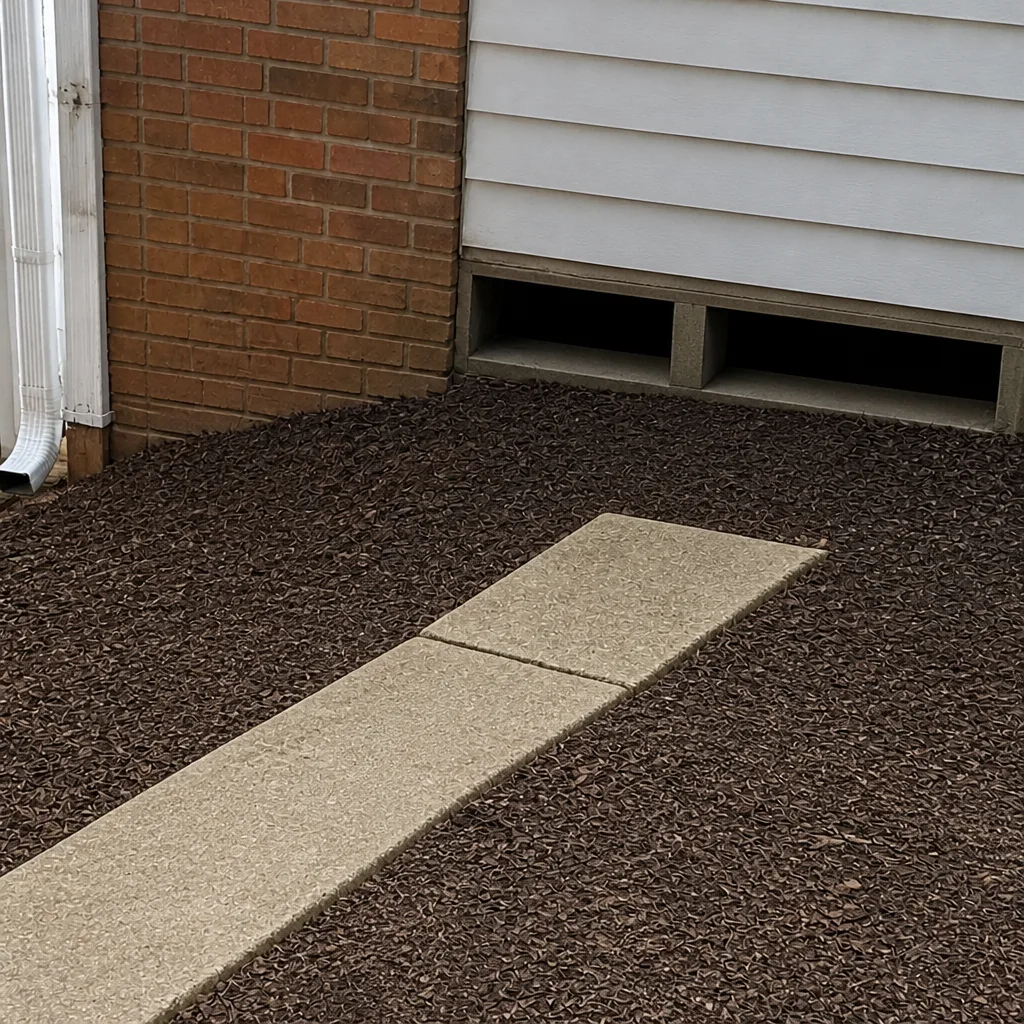
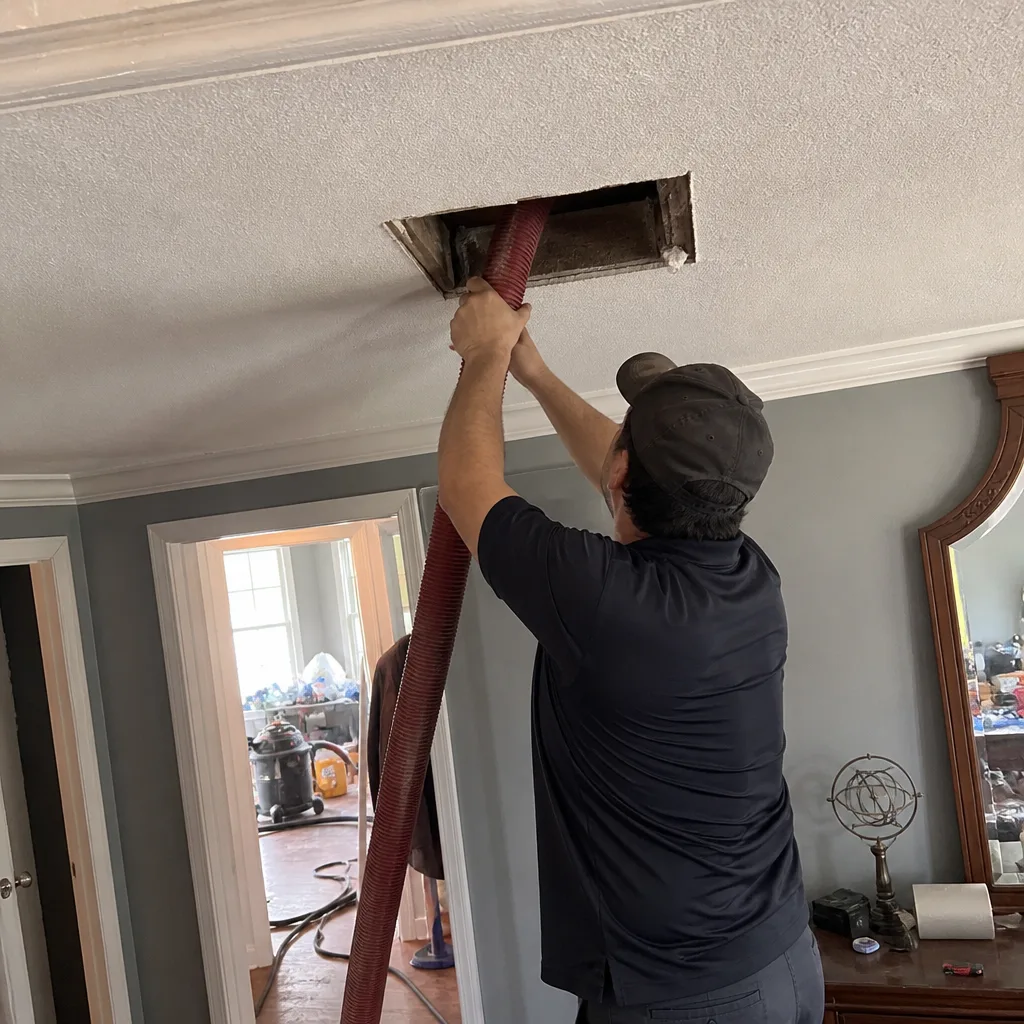 Before
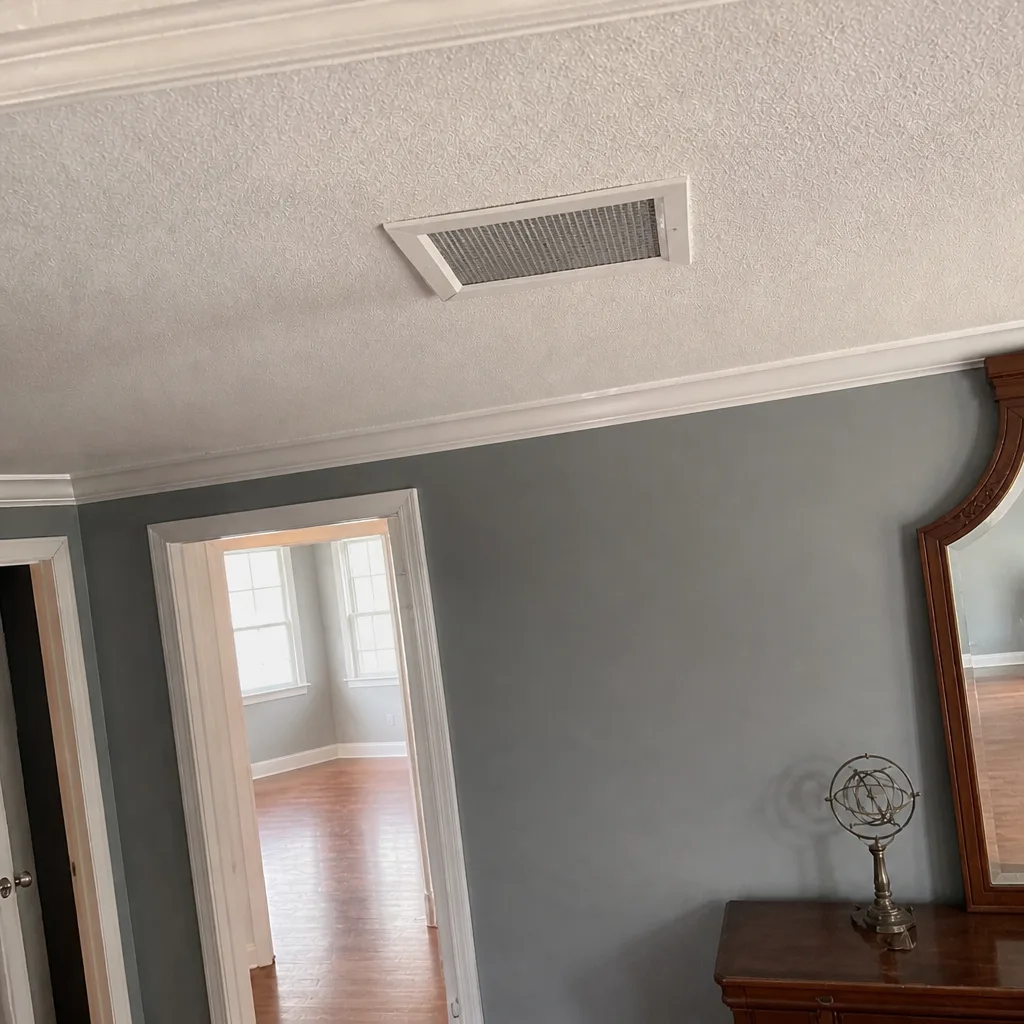 After
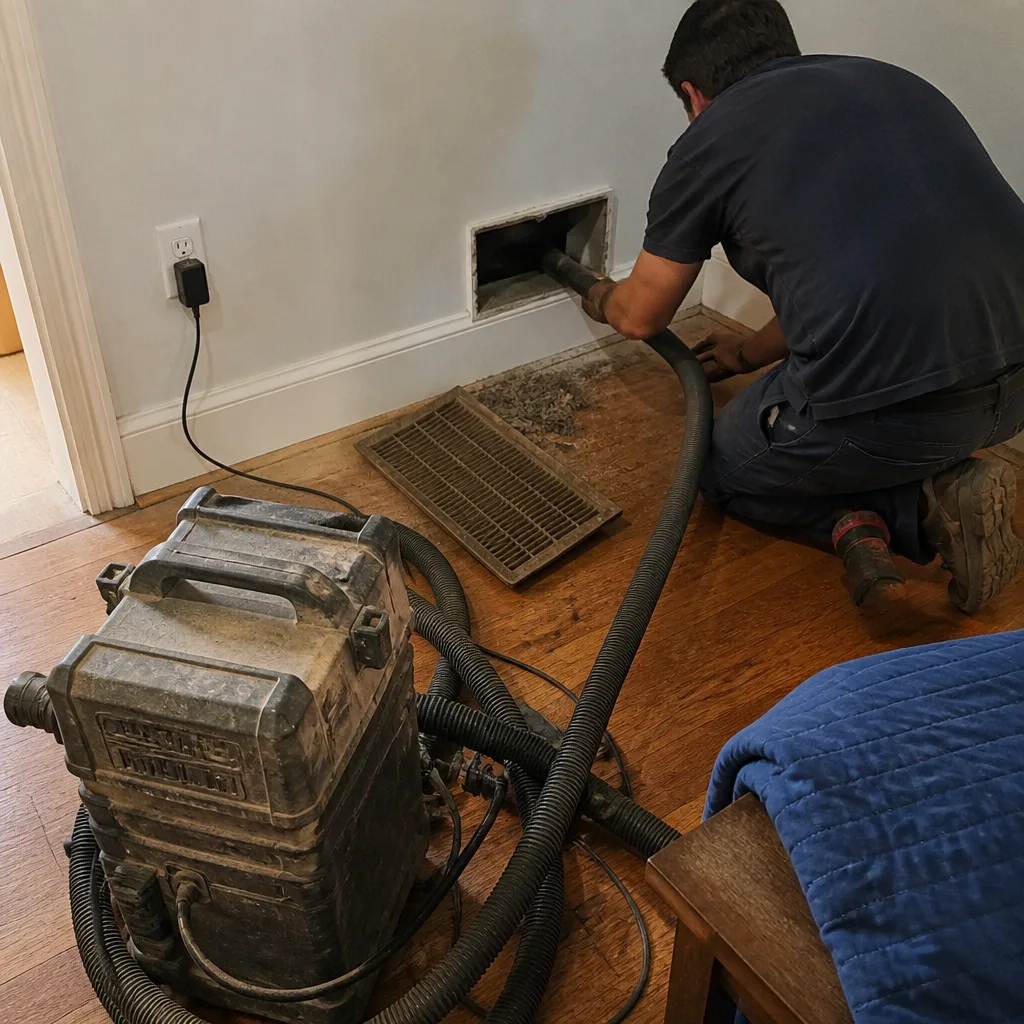
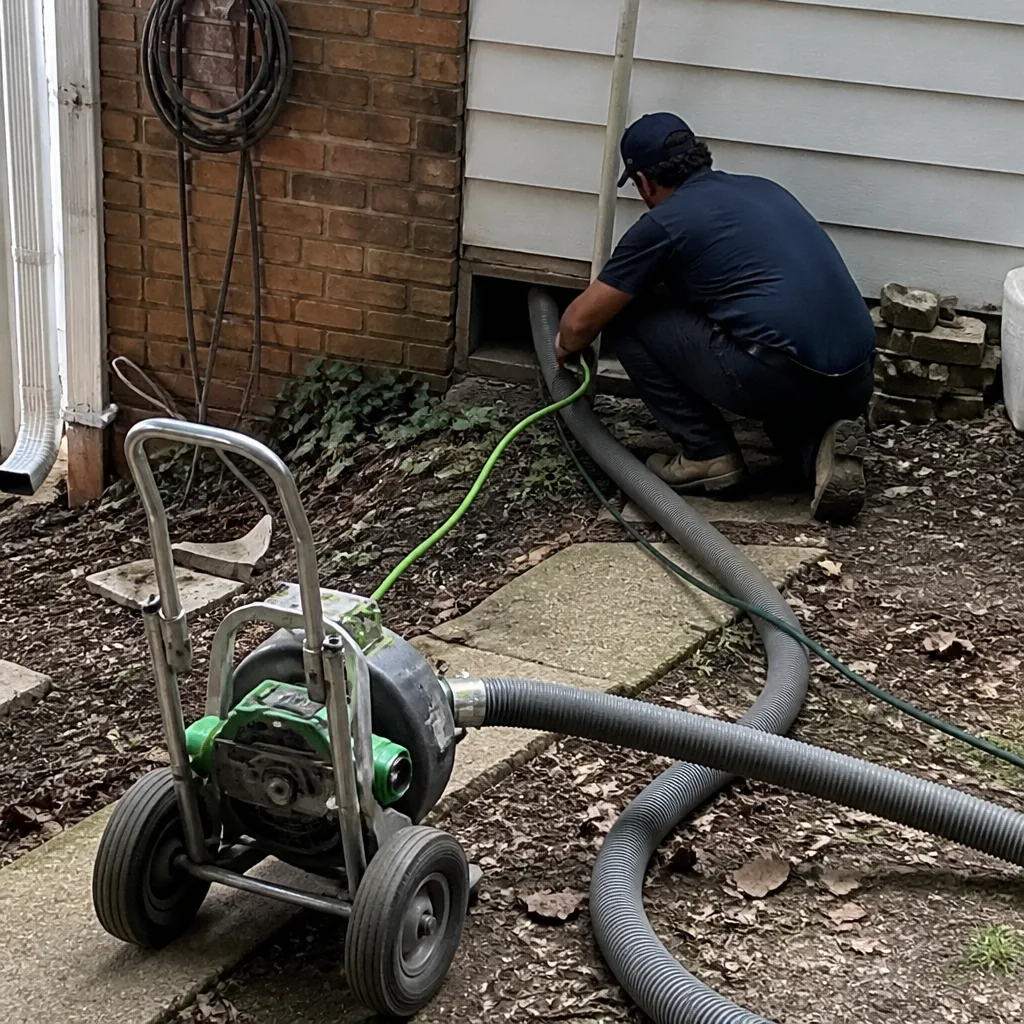 Before
 After
 Before
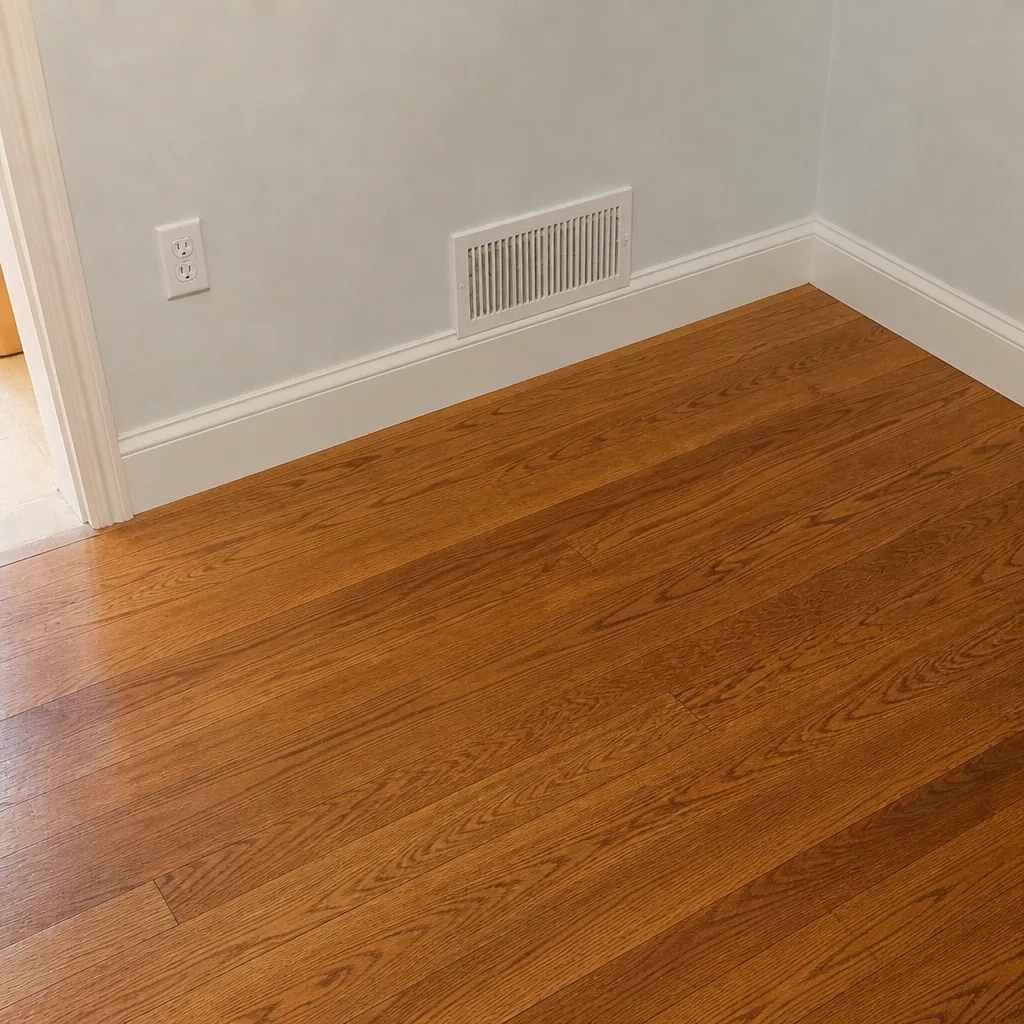 After
When to Call a Professional
Call a professional when you notice something your system is telling you. Visible debris blowing out of a register, a persistent musty odor from the vents, allergies or respiratory symptoms that flare inside the house and ease outside, airflow that’s weak in some rooms and strong in others, or a system that hasn’t had a duct service in several years in a Virginia-Highland home of any age. Call when you hear rattle or hiss from the ductwork during a run cycle, which can indicate a loose connection. Call when you’ve just bought the house and don’t know the duct history, or when a renovation has introduced dust and debris into the system. Air Duct Cleaning Virginia-Highland offers free estimates in Virginia-Highland. Call (833) 513-8601. We answer 24/7. Fast dispatch from 7am to 7pm, Sunday through Friday. Our technicians have up to 14 years of experience, and we’ll walk you through the equipment and process before you book.
Frequently Asked Questions
Most full-system residential cleans in the Virginia-Highland market fall in a broad range depending on system size and duct layout, but we don’t publish per-vent figures because that’s the pricing structure at the heart of most bait-and-switch complaints in this trade. The honest answer for a specific house is a flat price per system, in writing, after an assessment. Call (833) 513-8601 for a free written estimate. We answer 24/7, and dispatch from 7am to 7pm, Sunday through Friday.
Cheaper quotes usually reflect suction-only work without contact agitation or sealed negative-pressure collection. A shop vac and a hose cost far less than a professional rotary brush system and a rated collection unit, and the work that equipment produces is categorically different. When a quote is significantly lower than the rest of the market, ask the five equipment questions in this guide before you book. If they can’t answer, you know what the low price represents.
Before-and-after photos of your own duct interiors are the standard. A professional will photograph identifiable locations inside the system before cleaning, photograph the same spots after, and deliver the set to you. Any contractor who can’t or won’t provide this is asking you to take the work on faith. Ask for the photo deliverable in writing before you book. Call (833) 513-8601 to schedule an estimate with a company that photographs the work.
The honest answer is that it depends on the system, the home, and what’s happening in it. Factors that shorten the interval: recent renovation, pets, smoking indoors, visible mold or debris at the registers, persistent musty odors, and a system that’s been running heavy for years. Factors that lengthen it: a well-sealed system, a good filter maintained on schedule, and no known contamination sources. For Virginia-Highland homes with modified ductwork, an assessment is more useful than a fixed schedule. Call (833) 513-8601 for a free estimate and a specific recommendation for your house.
It means the business has committed to NADCA standards, not that every technician on every crew has been individually certified. NADCA is a strong floor for professional quality, but you should still ask the equipment and process questions yourself. Certification is a business-level signal; the equipment in the driveway and the negative air pressure setup are what actually determine whether the job is source removal. Call (833) 513-8601 and we’ll walk you through our setup before you commit.
No. Georgia does not issue a dedicated air duct cleaning license, which is why your due diligence has to focus on equipment, process, and documentation rather than a license number. Related HVAC work is a licensed category, so ask whether the job crosses into conditioned-air contractor work. Verify liability insurance and workers’ compensation coverage instead. Call (833) 513-8601 if you’d like to know what documentation we provide with every estimate.
The Bottom Line
Vetting a duct cleaning contractor in Virginia-Highland is a technical exercise, not a popularity contest. Five questions separate the professional tier from the generalist: collection unit airflow, negative air pressure, agitation equipment, full-system scope including the returns and air handler, and flat per-system pricing in writing. NADCA membership sets a floor and insurance documentation confirms basic accountability, but the equipment and process questions do the real work of the filter. Photos of your own duct interiors, before and after, are the minimum standard of proof. Get the scope in writing, confirm the flat price, and ask the questions. The contractors worth hiring answer them without hesitation.
If you’d like to start with a free written estimate for duct cleaning, dryer vent cleaning, HVAC cleaning, sanitizing, or duct repair and sealing in Virginia-Highland, call (833) 513-8601. We answer 24/7. Fast dispatch from 7am to 7pm, Sunday through Friday. Our technicians have up to 14 years of experience and use Rotobrush and Nikro source-removal systems with Abatement Technologies filtration on site. Whether you book with us or someone else, ask the questions in this guide. It’s the difference between a real clean and a hose.
Written by the team at Air Duct Cleaning Virginia-Highland.