
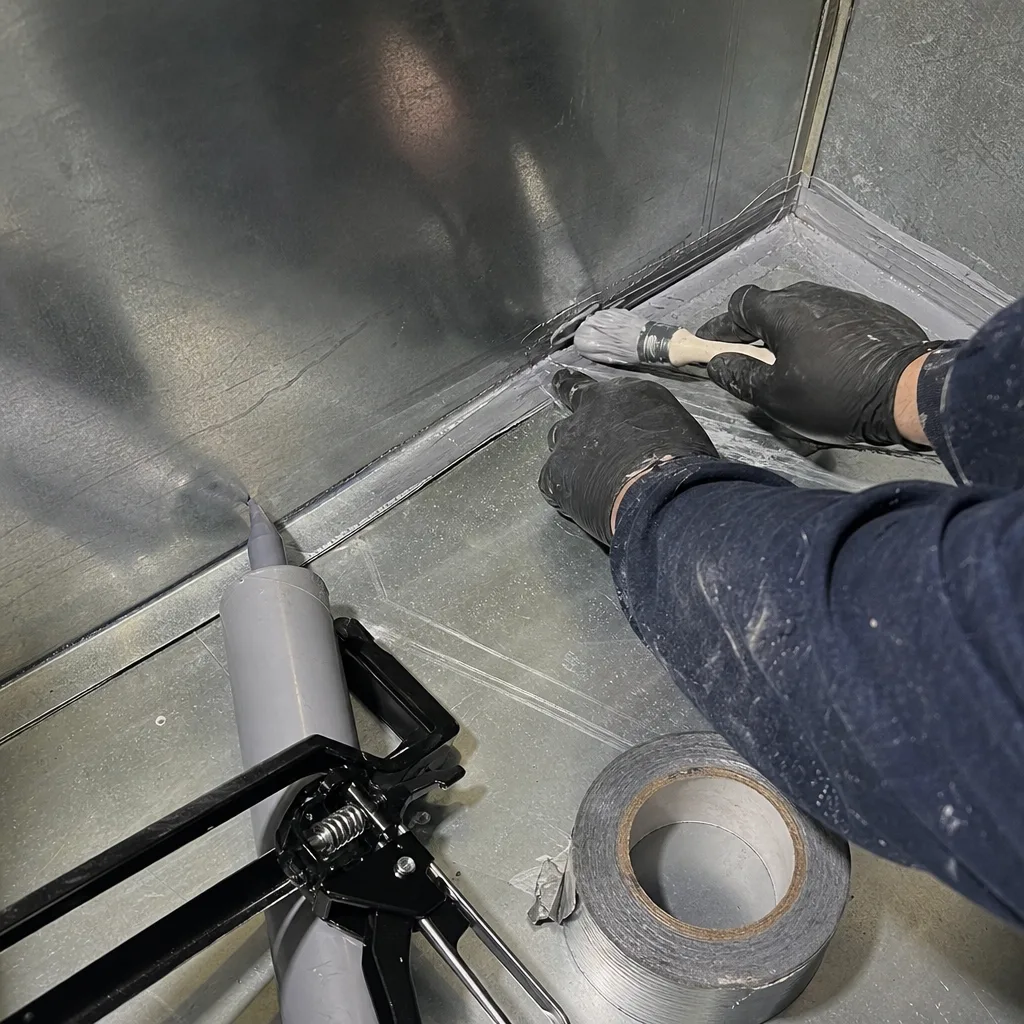
Last updated November 25, 2026
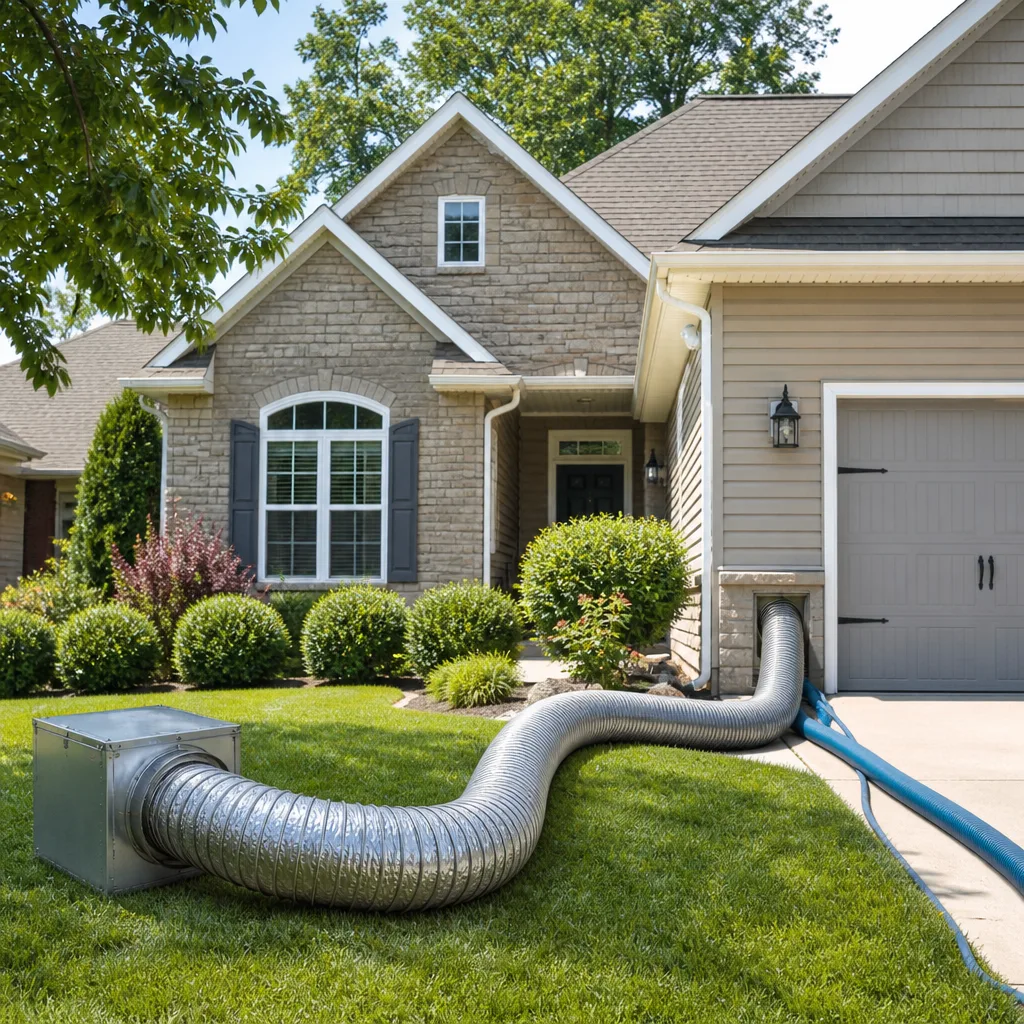 Whole-home duct cleaning
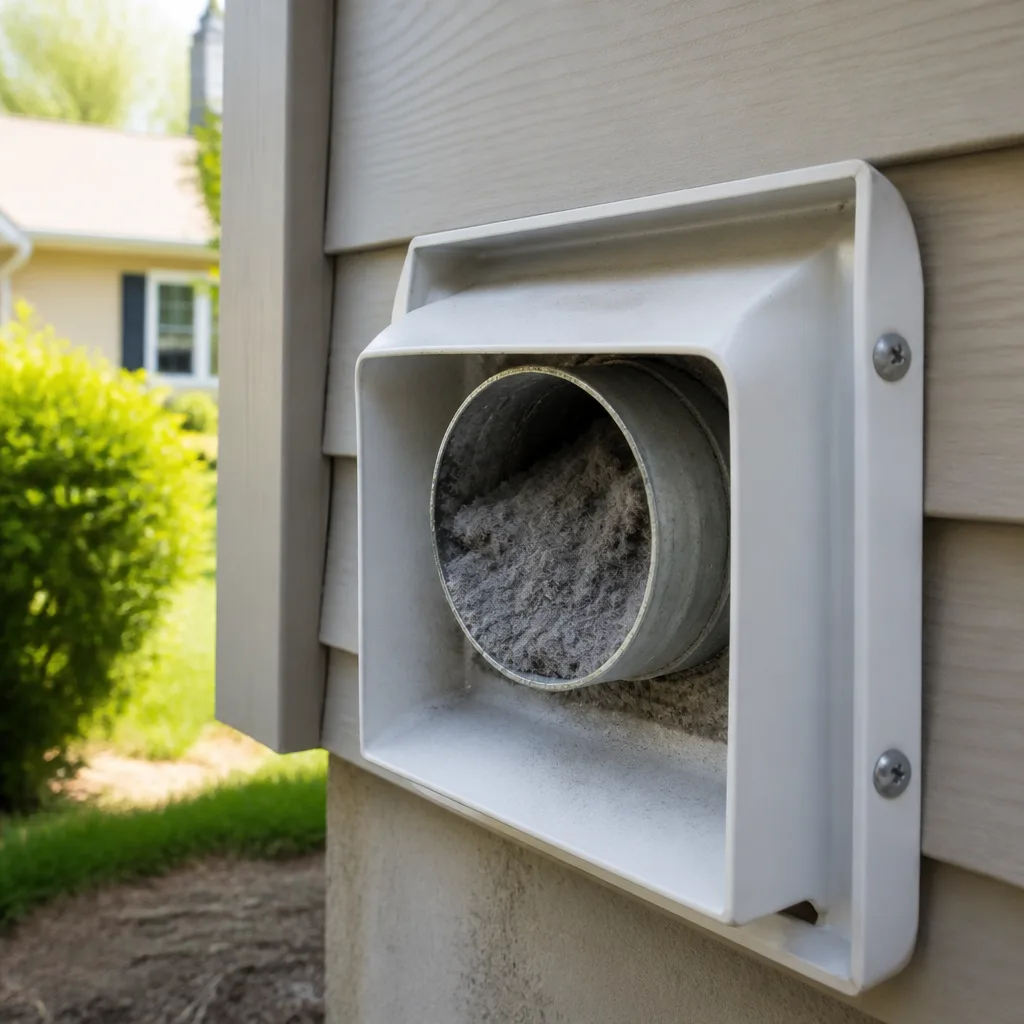 Dryer vent cleaning
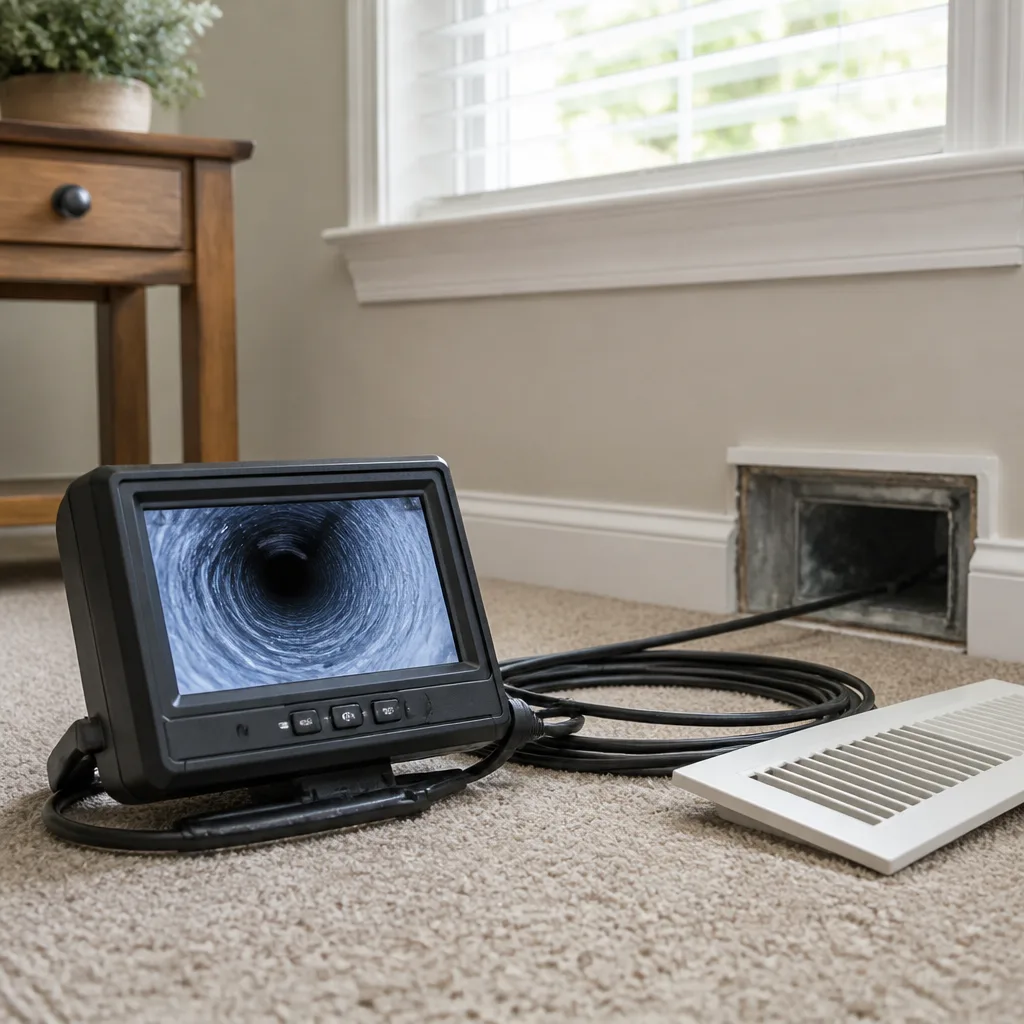 Camera inspection
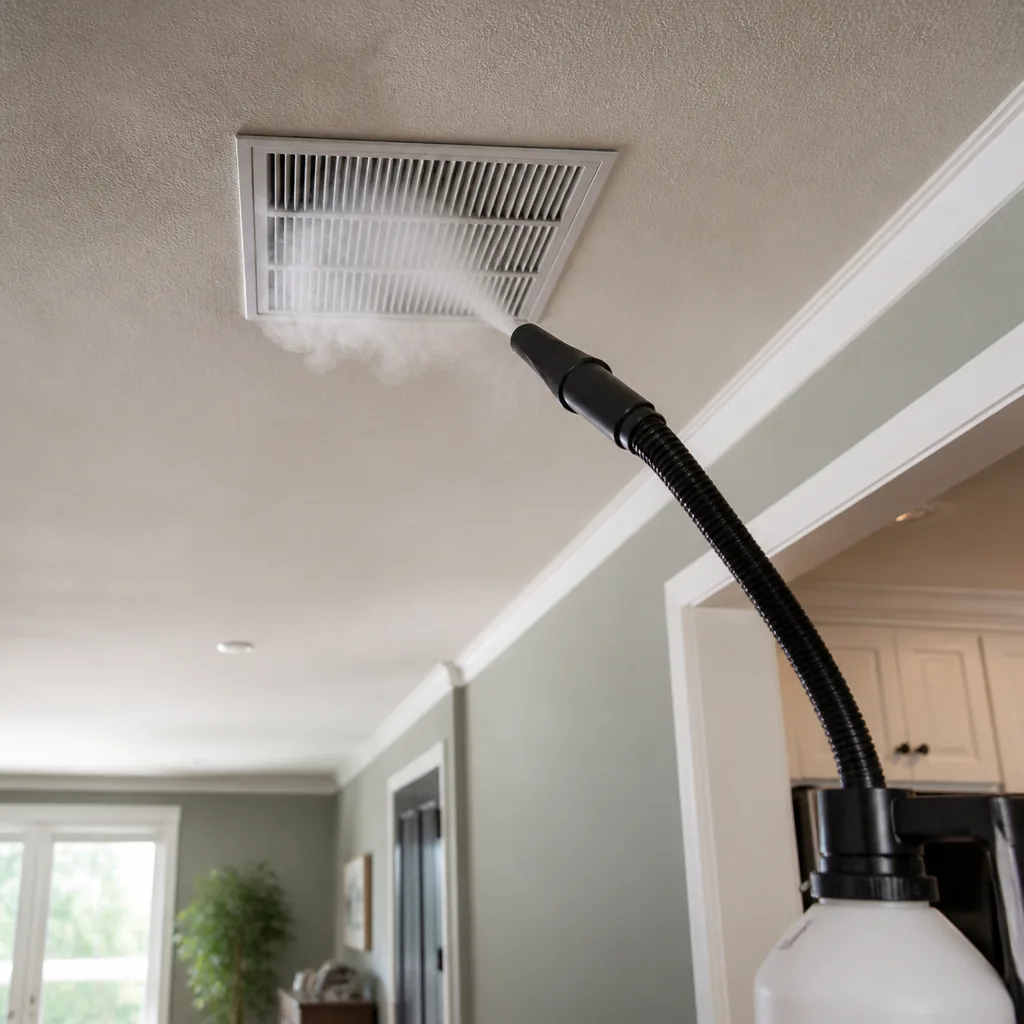 Sanitizing & deodorizing
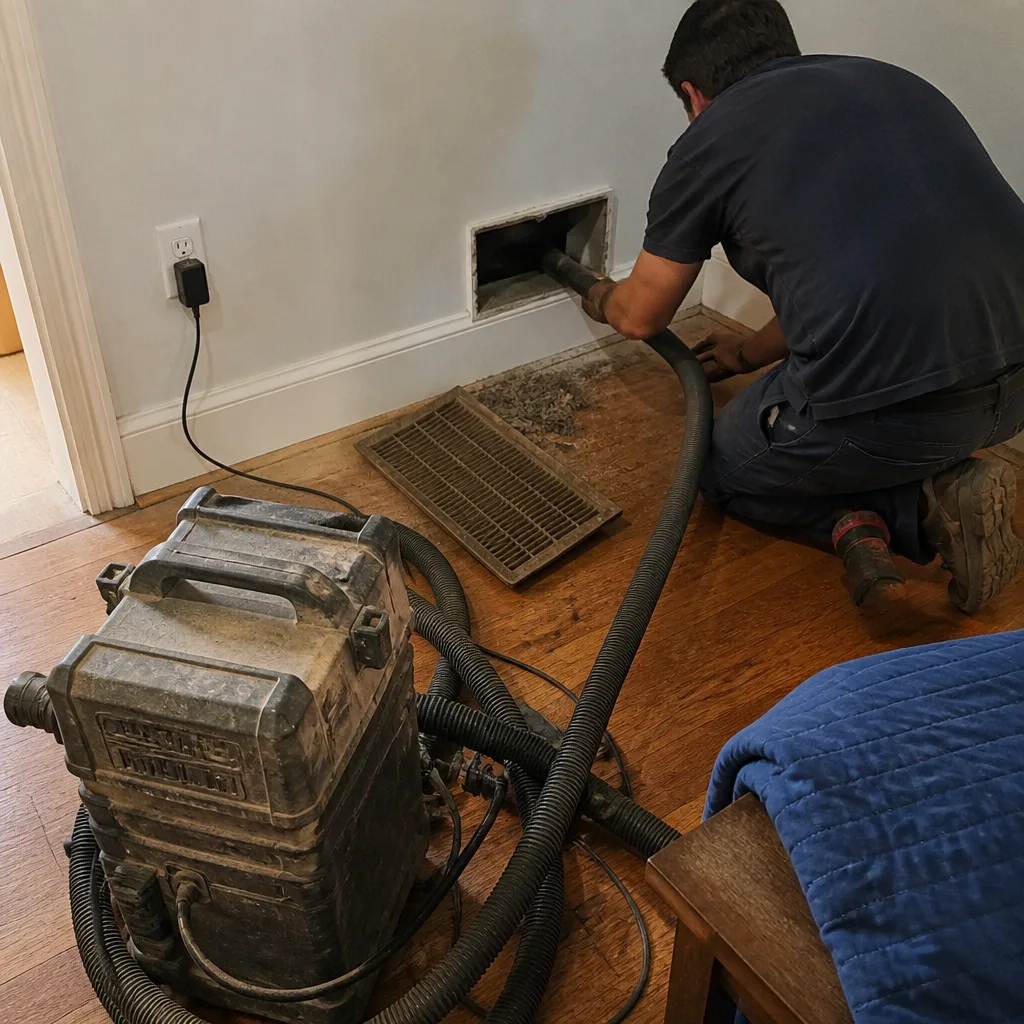
Whole-system duct and dryer vent check with before-and-after photos - you see exactly what came out of your vents
That "$99 whole-house special" is a bait ad - the real number appears once they are in your hallway, or the "clean" is a shop-vac at the register. We photograph the inside of your ducts before and after instead.
Air Duct Cleaning Permits, Codes & Inspections in Virginia-Highland, GA: What You Need to Know
The permit usually isn’t for the cleaning. It’s for what the cleaning uncovers. That’s the part most homeowners miss. Air duct cleaning in Georgia is almost always treated as routine maintenance, and routine maintenance doesn’t require a permit. But the moment a technician finds crushed flex duct behind a knee wall, mold growth on the interior lining, or a return plenum that needs to be cut and reconfigured, the work has crossed a line that triggers the Georgia State Minimum Standard Codes and, in Virginia-Highland, the City of Atlanta’s permitting process. This guide draws that line precisely. By the end you’ll know exactly when to ask about a permit, what to request in writing, and how this plays out at resale.
Quick Answer
Air duct cleaning itself does not require a permit in Georgia. What does require a permit is any work that modifies the mechanical system: duct replacement, new duct runs, plenum changes, and certain HVAC alterations. In Virginia-Highland, which sits inside the City of Atlanta, those permits run through the city’s Office of Buildings rather than Fulton County, and unpermitted mechanical work can surface as an issue during a home inspection or insurance claim. Cleaning is maintenance. Repair and modification are construction.
Styles & brands we work with
- Whole-home duct cleaning
- Dryer vent cleaning
- Camera inspection
- Sanitizing & deodorizing
Table of Contents
- Why cleaning doesn’t need a permit but repair might
- What Georgia’s mechanical code actually says about ductwork
- How the City of Atlanta handles duct permits differently from Fulton County
- When mold inside ductwork becomes licensed contractor territory
- The insurance documentation angle homeowners overlook
- What to request in writing to protect yourself at resale
- How a home inspector looks at ductwork and what they flag
- Common mistakes to avoid
Why cleaning doesn’t need a permit but repair might
Georgia regulates construction, not housekeeping. Cleaning a duct system, even with professional-grade equipment, doesn’t alter the structure of the home or the mechanical system installed within it. No wall is opened, no component is added or removed, no connection is changed. That’s why a company operating a Rotobrush rotary brush-vacuum system or a Nikro source-removal setup can clean an entire system in Virginia-Highland without pulling a permit of any kind.
Repair is a different category. When a technician has to remove and replace a section of flex duct, reseal a disconnected joint with mastic and mesh, or rebuild a transition at the air handler, the question becomes whether that counts as maintenance or as a modification under the adopted mechanical code. In our experience, the honest answer depends on scope.
Which work is generally maintenance
- Cleaning supply and return ducts with contact agitation and negative-pressure extraction
- Re-sealing an existing joint or boot that has come loose, using mastic or approved tape
- Sanitizing the interior of ductwork to address microbial growth
- Cleaning the air handler components and the blower wheel
- Cleaning the dryer vent run from the appliance to the exterior termination
Which work generally crosses into permit territory
- Replacing a run of ductwork because the existing duct is crushed, torn, or undersized
- Adding a new supply or return to serve a finished basement, addition, or converted attic
- Relocating a return plenum or changing its dimensions
- Connecting new ductwork to a replacement air handler or a system that has been resized
- Cutting into a wall, ceiling, or floor assembly to access or route duct
If a company tells you cleaning is all you need and then finds one of the second-list items, that’s the moment to pause and ask about permitting. A duct cleaning company that does repair work, like Air Duct Cleaning Virginia-Highland, should be able to tell you clearly which bucket a given repair falls into before any work starts.
What Georgia’s mechanical code actually says about ductwork
Georgia adopts its construction codes at the state level and then local jurisdictions enforce them. The mechanical code addresses duct systems in terms of materials, sizing, sealing, and support. It doesn’t say “cleaning requires a permit.” It says that a mechanical system must be installed and altered in a compliant way, and alterations go through the permitting process of the local code official.
That’s the practical threshold. A duct cleaning alone leaves the system’s mechanical configuration untouched. A duct replacement, a new run, or a plenum modification changes the system, and changing the system means the local authority with jurisdiction gets to look at it.
What inspectors actually check on duct work
- Sealing. All joints, seams, and connections at the air handler and at every boot should be sealed. In Virginia-Highland’s older housing stock, unsealed joints in attic and crawlspace runs are one of the most frequent findings.
- Support and sag. Flexible duct must be supported at regular intervals and can’t sag or rest directly on ceiling joists in a way that compresses it.
- Material compatibility. Duct material must be rated for the application. Flex duct routed through a hot attic needs the right temperature rating.
- Sizing and airflow. A duct that has been field-modified to fit around a renovation can end up undersized for the air handler’s output, which shows up as poor airflow to the far end of the house.
- Clearances. Duct running near a flue or a heat source needs the clearances the code calls for.
If a repair brings any of those into question, the repair and the permit question tend to arrive together. It’s not about a single rule on duct cleaning. It’s about whether the work is an alteration.
How the City of Atlanta handles duct permits differently from Fulton County
Virginia-Highland is a neighborhood inside the city limits of Atlanta. That matters more than most homeowners realize, because the permitting authority for a given address depends on which jurisdiction the address sits in. A house in Virginia-Highland goes through the City of Atlanta’s permitting process. A house in an unincorporated part of Fulton County goes through the county.
The practical differences show up in how you apply, how inspections are scheduled, and what documentation the reviewer wants to see. The City of Atlanta reviews mechanical permits through its Office of Buildings, and the process for a duct modification tends to require a scope of work and, in some cases, a drawing of the affected section. Unincorporated Fulton County runs its own process with its own forms and its own review queue.
What this means for a Virginia-Highland homeowner
- Ask the contractor which jurisdiction they’re pulling the permit through. The answer should be the City of Atlanta, not the county, for a Virginia-Highland address.
- Ask for the permit number once it’s issued. A permit number is a real, checkable thing. “We don’t need one for this” is a different statement, and it should be specific about why.
- Remember that the city handles the inspection, not the contractor. The inspection result is a separate record from the invoice, and it’s the record a future buyer’s inspector will find.
Neighborhoods near Virginia-Highland like Morningside, Poncey-Highland, and Druid Hills have similar dynamics: older homes, often with original or previously reworked duct systems, and permitting that runs through the city for addresses inside the boundary. If you’re unsure which side of the line you’re on, that’s a good question to put to the contractor before any repair is scheduled.
For routine maintenance that doesn’t trigger permitting, air duct cleaning handles the bulk of what most Virginia-Highland homes actually need, and it can be scheduled without any permitting question at all.
When mold inside ductwork becomes licensed contractor territory
Mold inside ductwork is where the cleaning-versus-remediation line gets blurry, and where Georgia law separates two kinds of work. Cleaning removes visible debris and surface contamination. Remediation addresses a mold problem as a mold problem, and that involves a scope of work, containment, and often clearance verification. It’s a different discipline with different licensing expectations, and a general duct cleaning company shouldn’t be representing it as the same service.
What the cleaning process does well is what our equipment is built for. Abatement Technologies air filtration units running on-site during the job capture the particulates that get dislodged during agitation. Rotobrush contact cleaning physically scours the duct interior, and Nikro source-removal equipment pulls the loosened material out under negative pressure. That handles the debris.
What it doesn’t handle is established mold growth that has colonized the duct lining or the insulation around it. When we find that, the honest move is to say so and to point toward a licensed remediation contractor rather than to treat it as routine cleaning. Homeowners in Virginia-Highland, particularly in older homes with crawlspace or attic runs where humidity collects, do run into this.
How to tell the difference
- Surface dust and debris with no active growth: cleaning.
- Musty odor with visible dark spotting on the duct lining: worth a professional assessment before deciding.
- Growth that returns after cleaning: that’s a moisture source problem, and remediation plus moisture control is the answer, not another cleaning.
- Growth connected to a known water event: remediation scope, with documentation.
Sanitizing treatments after mechanical cleaning address the microbial load that cleaning alone leaves behind, and we integrate products like Honeywell and Aprilaire into the system for filtration and humidity control that makes recurrence less likely. Neither of those is a substitute for remediation when remediation is what’s called for.
The insurance documentation angle homeowners overlook
Some homeowners insurance claims involving HVAC damage run into a documentation wall. A water loss from a condensate line that soaked a section of ductwork, a storm event that pulled a roof penetration and let water into an attic run, or a fire suppression event that left residue throughout the system: these are all claims where the insurer may want to see that the repair was done to code, and done under permit where the scope required one.
That’s not a rule about duct cleaning. It’s a rule about documentation. An adjuster looking at a repaired mechanical system wants a paper trail: a permit number, an inspection result, a written scope of work from the contractor. Without those, a claim can stall, or a portion of it can be denied, and the homeowner ends up absorbing the difference.
What to keep for any duct-related repair
- The written estimate or scope of work, itemized by task.
- The permit number, if one was pulled, with the issuing jurisdiction named.
- The inspection record from the code official, if an inspection was required.
- Before-and-after photos of the affected section. This is where a company that photographs its own work earns its keep.
- The contractor’s written confirmation of what was repaired and what material was used.
If you’re filing a claim, the time to gather that documentation is while the work is happening, not after. Ask for it at the estimate stage and confirm it before final payment.
What to request in writing to protect yourself at resale
The permit question becomes real at resale. A buyer’s inspector walks the house, checks the HVAC, and looks at the county or city permit record for the address. An unpermitted mechanical modification sitting in the record gap is a negotiation point at minimum, and a financing problem in some cases. The fix is straightforward: know what you had done, and have it documented.
A checklist to request from any contractor before work starts
- A written scope of work that names each task: cleaning, sealing, replacement, sanitizing, or a combination.
- A plain statement on permitting: whether this job requires a permit, and if not, why not, in writing.
- The jurisdiction: for a Virginia-Highland address, confirm the City of Atlanta is the authority being referenced.
- The permit number and inspection status, if a permit was pulled, delivered to you before final payment.
- Before-and-after photographs of the ducts that were worked on, not stock images.
- Material specifications for any duct, sealant, or component installed.
- A final invoice that matches the scope of work line for line.
A company that does repair work as part of its service menu should be comfortable producing all seven of those. A company that only cleans ducts, like a full-system clean through HVAC cleaning, will produce items one, five, and seven without difficulty.
One more item worth asking about, especially in Virginia-Highland where homes often have long dryer runs through interior walls: the dryer vent cleaning record. Lint accumulation in a dryer vent is a fire-risk question that a home inspector may raise, and a documented cleaning date is a useful answer.
How a home inspector looks at ductwork and what they flag
A standard home inspection is a visual, non-invasive walkthrough. The inspector isn’t dismantling ductwork or running a camera down a supply run. What they are doing is looking at what’s visible and at what the permit record shows. Both matter.
What tends to get flagged in Virginia-Highland homes, in rough order of frequency:
- Disconnected or unsealed joints at boots, at the air handler, and in attic runs. Visible, common, and easy to document.
- Crushed or kinked flex duct, often from a prior attic renovation where duct got stepped on or squeezed behind a knee wall.
- Improvised transitions where a previous air handler was replaced and the duct connection was field-fitted rather than properly rebuilt.
- Moisture staining on duct insulation in crawlspaces and attics, which prompts a question about the moisture source.
- Permit record gaps where a mechanical system was replaced or modified with no corresponding record at the city.
The first four are physical findings the inspector photographs and puts in the report. The fifth is a paperwork finding, and it’s the one that catches sellers off guard because the work itself may be perfectly fine. The problem isn’t the installation. It’s the absence of a record that the installation was reviewed.
If you’re selling a Virginia-Highland home and a prior repair comes up, the best answer is the documentation checklist above. If you have the scope of work, the photos, and a clear statement about permitting, you have a real response. If you don’t, you’re negotiating from a weak position.
Common Mistakes to Avoid
- Assuming “no permit needed” applies to everything. Cleaning doesn’t need one. A duct replacement or a new return run generally does. Conflating the two is how unpermitted work ends up in a house.
- Not asking which jurisdiction governs the address. Virginia-Highland addresses are inside the City of Atlanta. Assuming Fulton County handles it, or that the two processes are identical, leads to an application filed in the wrong place.
- Treating mold as a cleaning problem. If growth has colonized the duct lining, cleaning alone won’t resolve it, and a company that represents otherwise is overselling what the equipment does.
- Accepting a verbal scope of work. If the repair isn’t written down, itemized, and photographed, you have nothing to show at resale or to an adjuster.
- Throwing out the permit and inspection paperwork. The permit number and the inspection result are the records that matter years later. Keep them with the home’s other maintenance documents.
- Choosing a quote on price alone without knowing what’s included. A quote that covers cleaning only and a quote that covers cleaning, sealing, and documentation aren’t the same job. Ask what’s in the scope before comparing numbers.
- Skipping the dryer vent in the same visit. It’s a separate permit-free service but the same fire-safety category, and it’s easier to document both at once.
See the difference
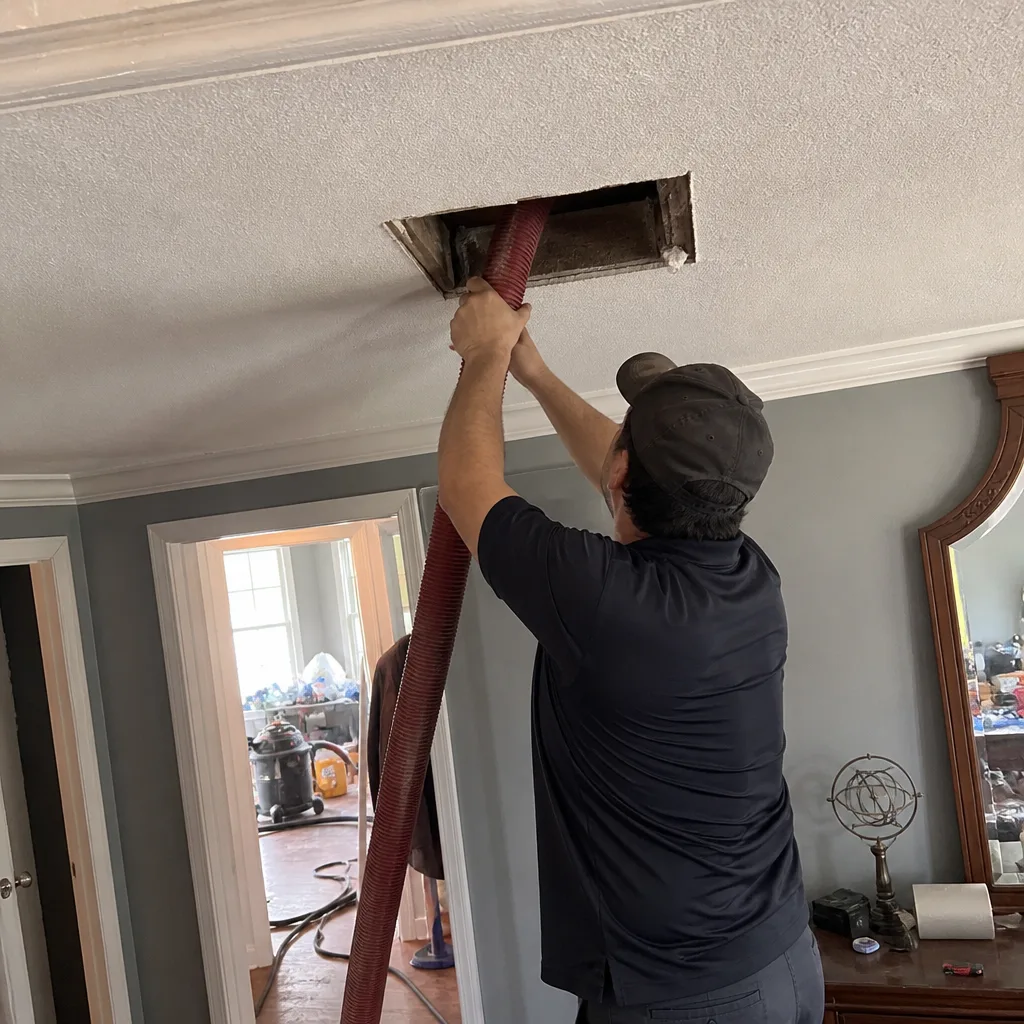 Before
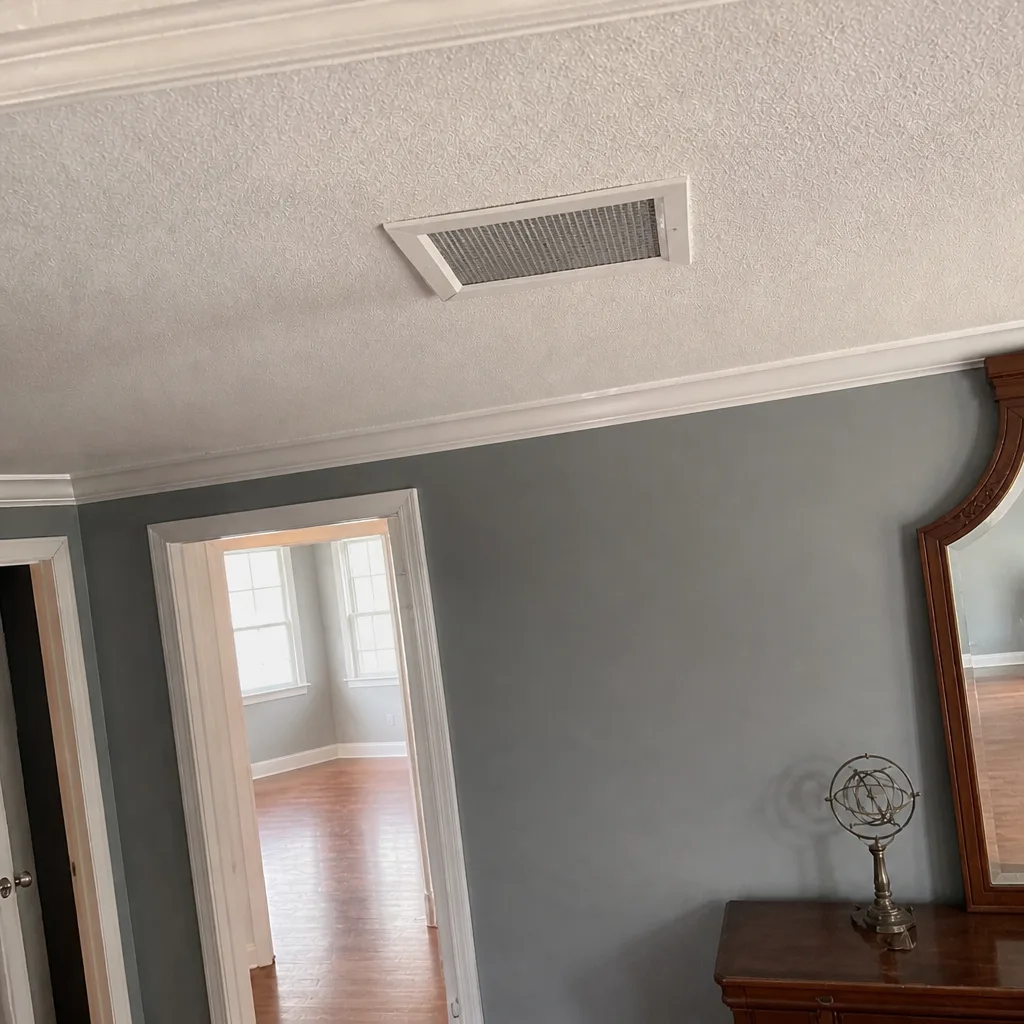 After
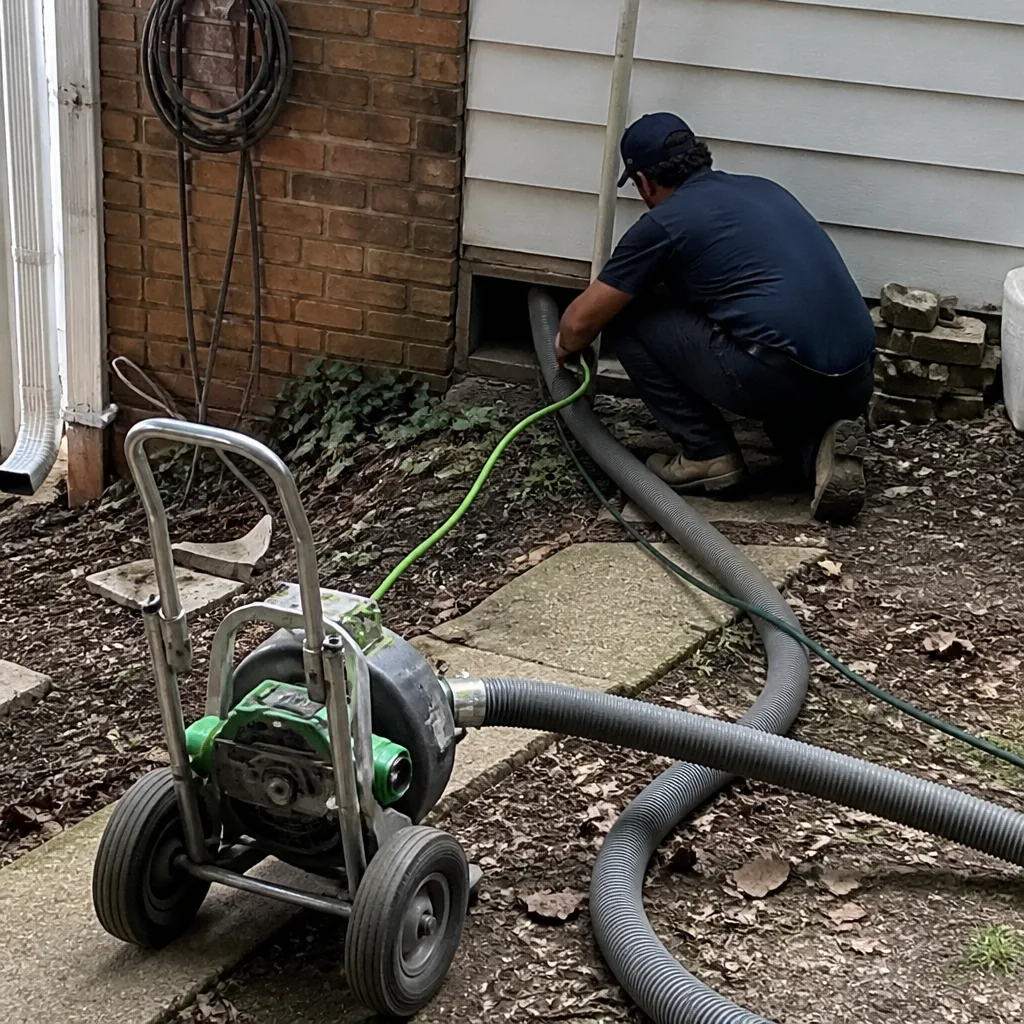 Before
 After
 Before
 After
When to Call a Professional
Call when you notice musty odor coming from the supply registers, when airflow to part of the house has dropped off, when a technician finds duct damage that needs repair rather than cleaning, or when a home inspection has flagged disconnected or crushed ductwork. Call before a repair if you’re unsure whether permitting applies, and call when an insurance claim involves a duct or HVAC loss and you need a documented scope. Air Duct Cleaning Virginia-Highland offers free estimates in Virginia-Highland. Call (833) 513-8601. We answer 24/7. Fast dispatch from 7am to 7pm, Sunday through Friday. Our technicians have up to 14 years of experience, and every estimate is written and itemized before work begins.
Frequently Asked Questions
No. Air duct cleaning in Virginia-Highland is treated as routine maintenance and does not require a permit from the City of Atlanta or from Fulton County. What can require a permit is repair or modification to the duct system itself, such as replacing a run, adding a return, or reconfiguring a plenum. Call (833) 513-8601 for a free estimate and a clear answer on your specific scope.
Generally yes, if the work involves replacing duct runs or altering the mechanical system’s configuration, because that’s an alteration rather than maintenance. The permit comes from the local code official with jurisdiction over the address, which for Virginia-Highland means the City of Atlanta. Call (833) 513-8601 and we’ll tell you what a given repair typically triggers.
Virginia-Highland sits inside the Atlanta city limits, so permitting runs through the City of Atlanta rather than unincorporated Fulton County. Addresses near the boundary can be ambiguous, and the safest check is with the city’s Office of Buildings before any application is filed. Call (833) 513-8601 if you want to talk through which authority applies to your job.
Surface dust and debris are a cleaning job; established mold growth that has colonized the duct lining or insulation is a remediation job, and remediation is a different discipline with different licensing expectations under Georgia law. We use Abatement Technologies filtration on-site to capture dislodged particulates during cleaning, but we’ll tell you plainly when a job needs a licensed remediation contractor instead. Call (833) 513-8601 for an assessment.
Keep the written itemized scope of work, the permit number and issuing jurisdiction if one was pulled, the inspection record from the code official, before-and-after photos of the affected section, and the final invoice. Those are the documents a buyer’s inspector or an insurance adjuster will ask for. Call (833) 513-8601 and we’ll walk you through what your job should produce.
Yes, and that’s the most common way homeowners end up in this conversation. Cleaning reveals crushed flex duct, disconnected joints behind a wall, or a plenum that needs to be rebuilt, and any of those can turn routine maintenance into permitted repair work. The right move is to stop, get the scope in writing, and confirm the permitting question before the repair starts. Call (833) 513-8601 for a free estimate.
The Bottom Line
Cleaning your ducts in Virginia-Highland doesn’t need a permit. Repairing or modifying them might, and the City of Atlanta is the authority that decides. The distinction matters most at two moments: when an insurance claim needs documented, permitted repair, and when a buyer’s inspector checks the permit record at resale. Get the scope of work in writing, ask specifically about permitting before the repair starts, keep the photos and the paperwork, and treat mold inside ductwork as its own category rather than a cleaning problem. That’s the whole guide in one paragraph, and it’s what separates a documented job from a question mark on a future inspection report.
Call (833) 513-8601 for a free estimate. We answer 24/7. Fast dispatch from 7am to 7pm, Sunday through Friday.
Written by the team at Air Duct Cleaning Virginia-Highland.