
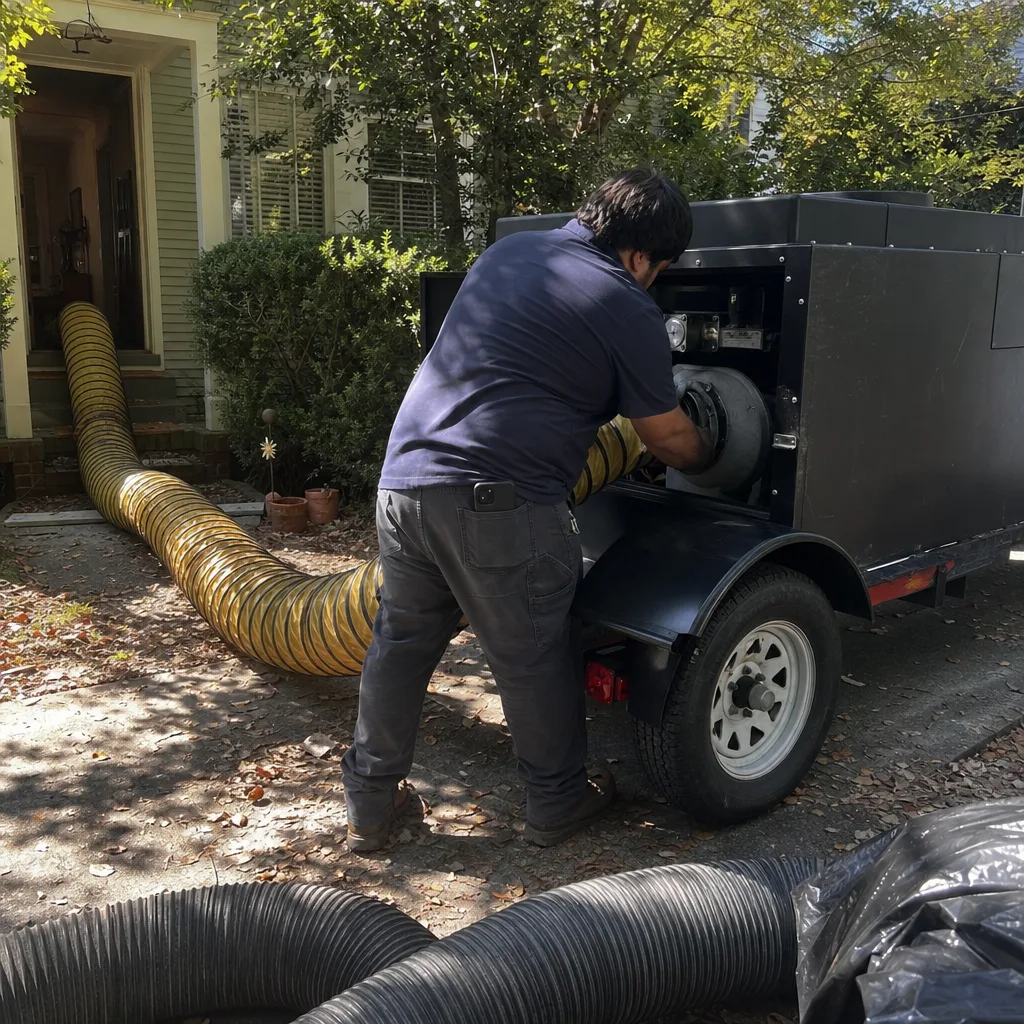
Last updated November 25, 2026
 Whole-home duct cleaning
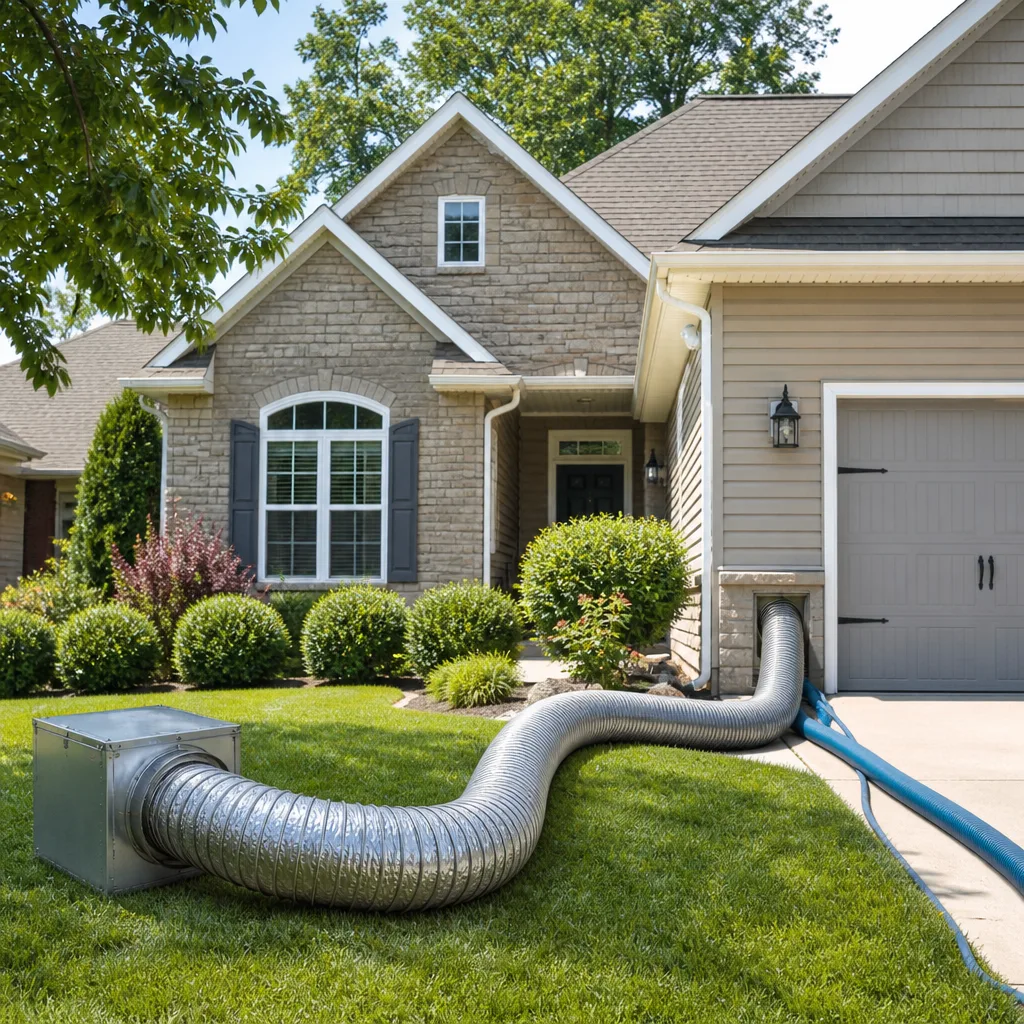
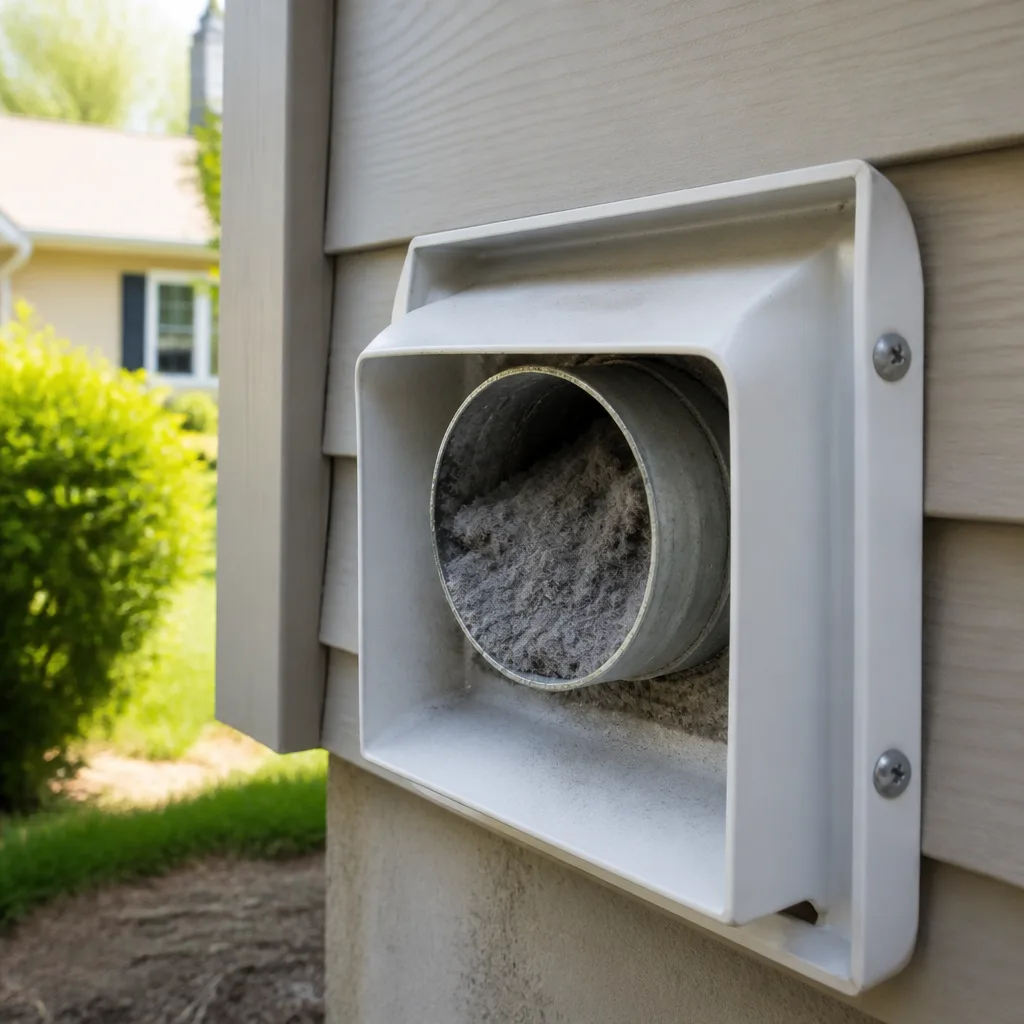 Dryer vent cleaning
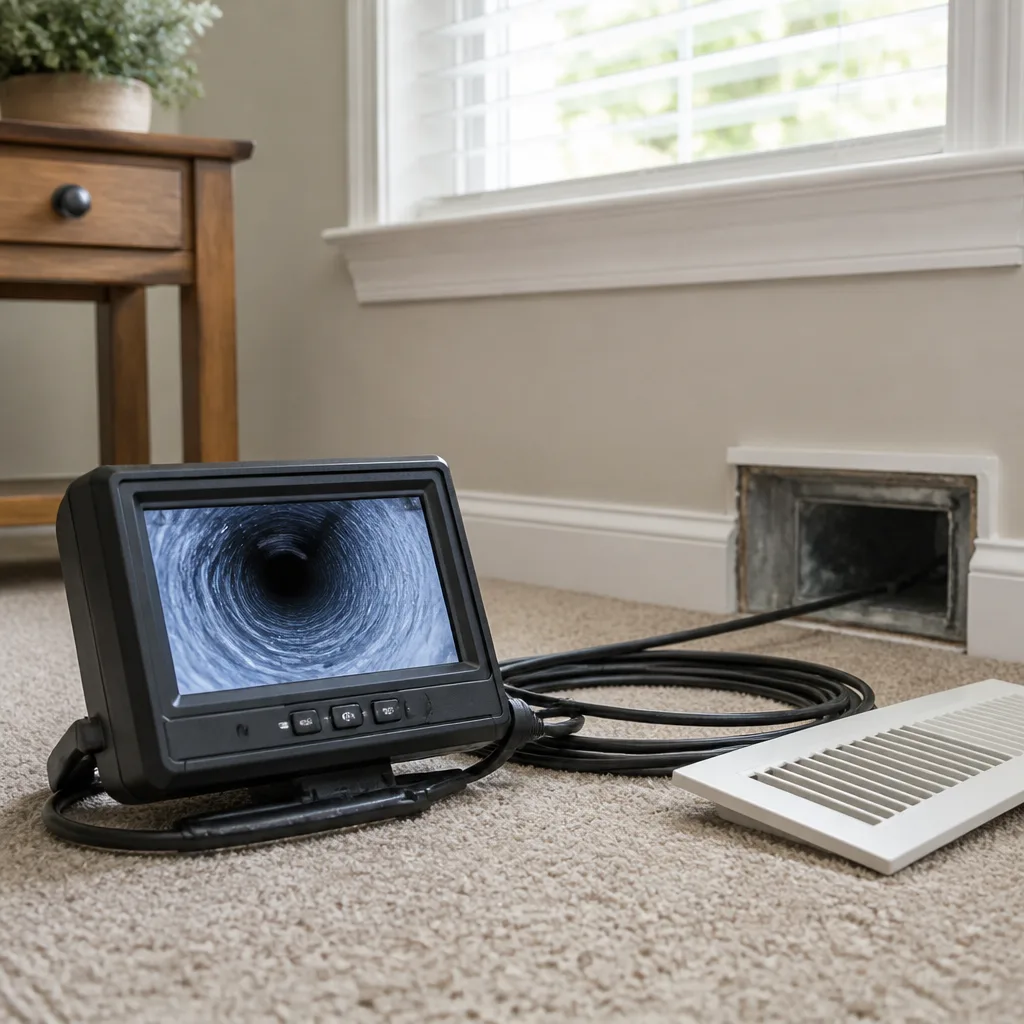 Camera inspection
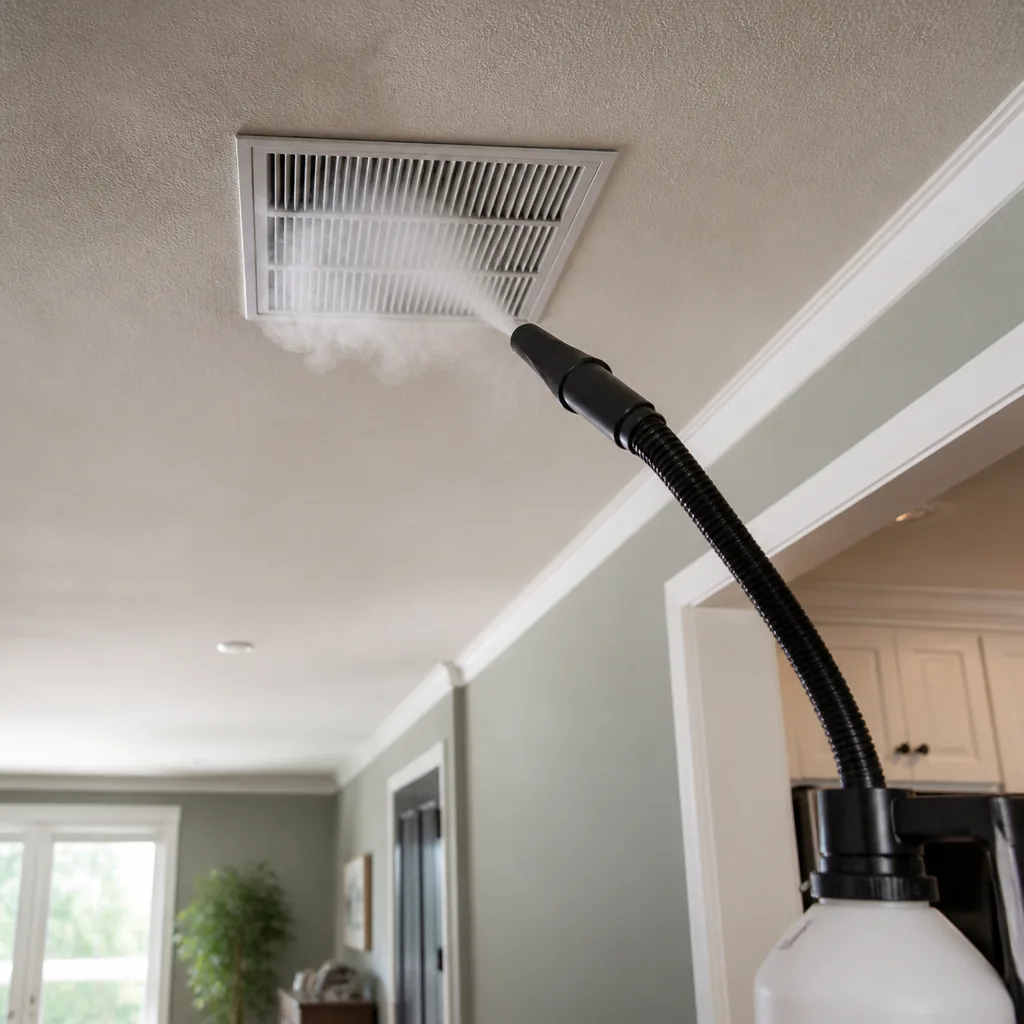 Sanitizing & deodorizing
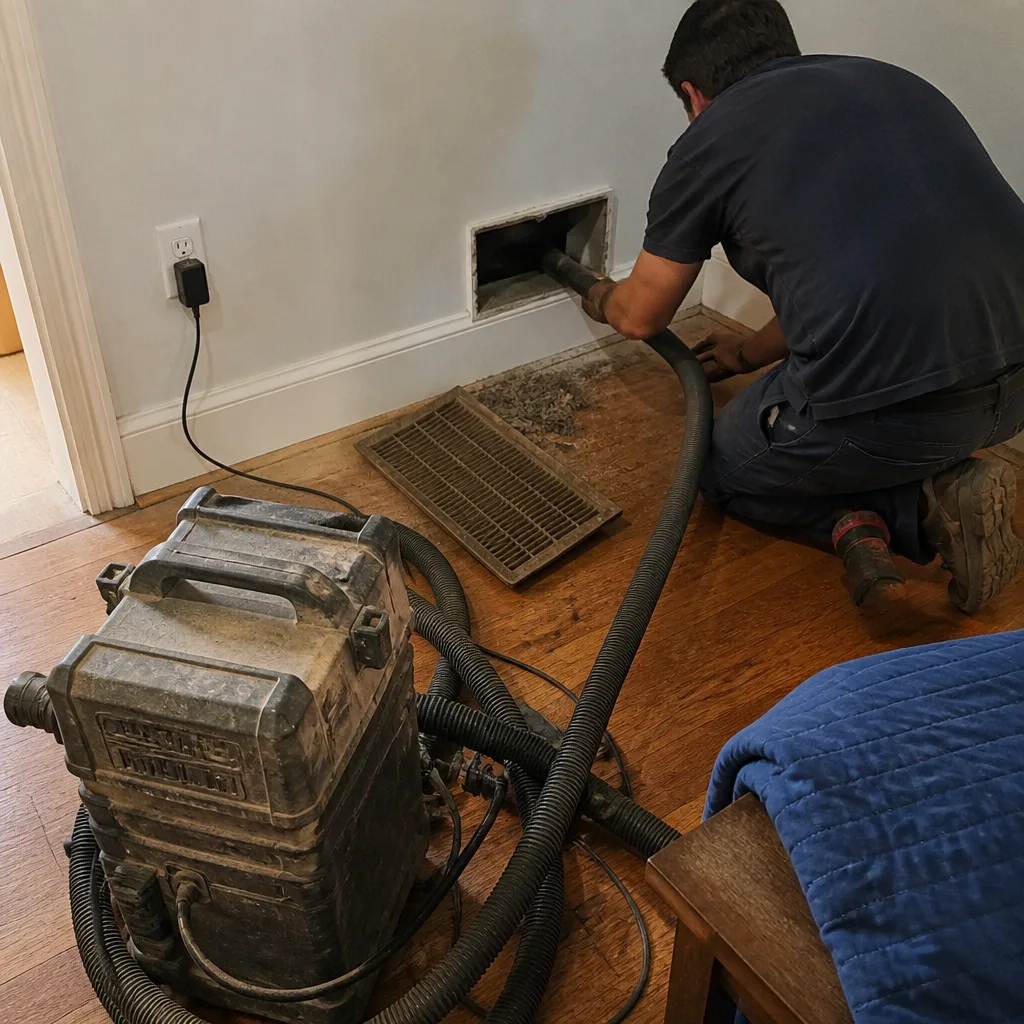
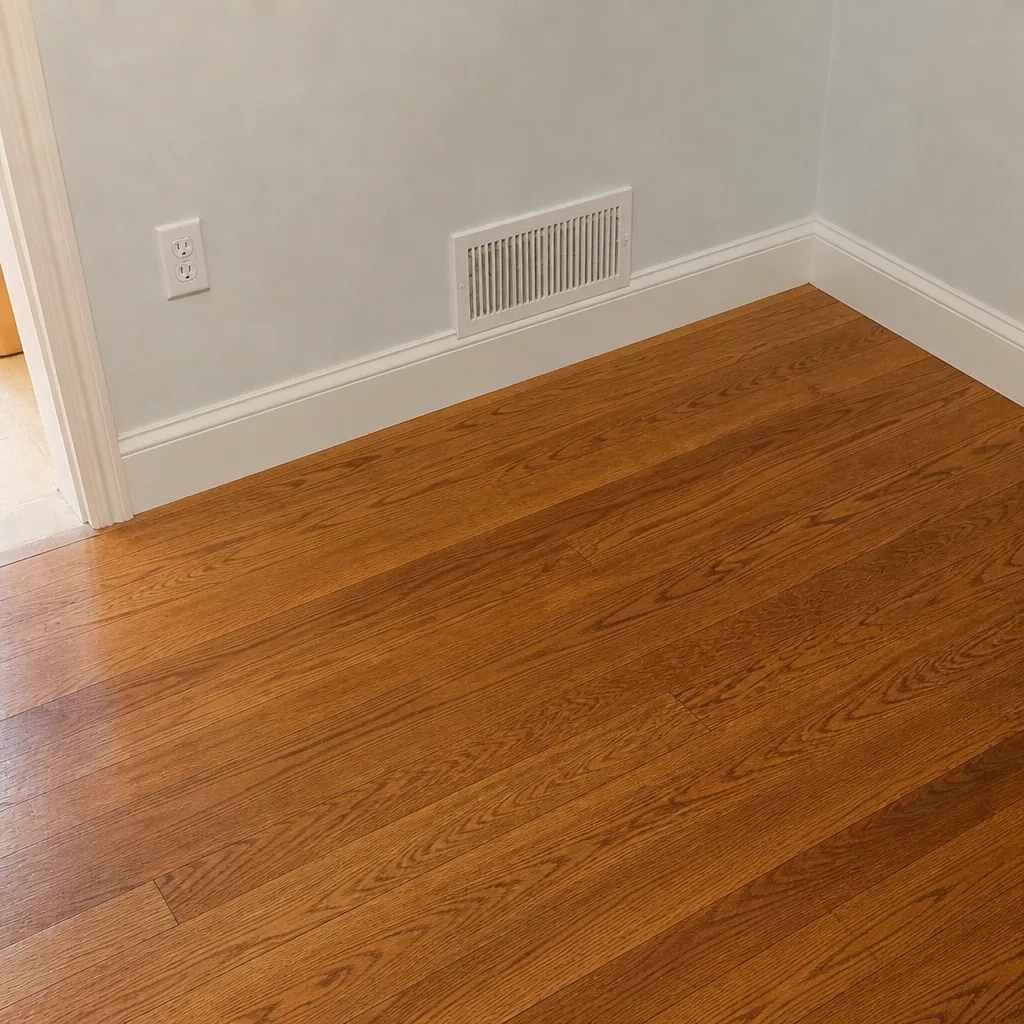
Whole-system duct and dryer vent check with before-and-after photos - you see exactly what came out of your vents
That "$99 whole-house special" is a bait ad - the real number appears once they are in your hallway, or the "clean" is a shop-vac at the register. We photograph the inside of your ducts before and after instead.
The Complete Guide to Air Duct Cleaning in Virginia-Highland
Here’s something that surprises a lot of homeowners: many duct systems in Virginia-Highland homes aren’t dirty because they’ve been neglected for decades. They’re underperforming because they were never properly commissioned in the first place. Debris, loose joints, and undersized returns got baked in on day one, and every year since has simply layered more on top. That’s why we start with diagnosis, not vacuuming. This guide walks through how the whole air pathway actually works, why Virginia-Highland’s bungalow-era and mid-century housing makes each segment different, how to confirm a cleaning genuinely worked, and why sealing and repair belong alongside cleaning rather than after it.
Quick Answer
Air duct cleaning in Virginia-Highland is a source-removal process: agitating every accessible interior surface of the supply trunk, branch runs, return plenum, and air handler cabinet, then extracting the dislodged debris with a HEPA-filtered vacuum so it leaves the house rather than settling back into your living space. In older Virginia-Highland homes, the job usually includes inspecting joints, sealing leaks, and confirming airflow before and after, because a clean but leaky system still wastes energy and pulls new dust back in.
Styles & brands we work with
- Whole-home duct cleaning
- Dryer vent cleaning
- Camera inspection
- Sanitizing & deodorizing
Table of Contents
- Why the Whole Pathway Matters, Not Just the Vents
- How Virginia-Highland’s Housing Stock Changes the Job
- Source Removal vs. What Low-Price Cleaners Actually Do
- The Equipment Behind a Real Cleaning
- How to Read Airflow Before and After
- Why Cleaning Without Sealing Can Backfire
- What a Full-System Cleaning Looks Like, Step by Step
- What Duct Cleaning Costs in Virginia-Highland
- Common Mistakes to Avoid
- When to Call a Professional
Why the Whole Pathway Matters, Not Just the Vents
Most air duct guides describe one system with one problem. That’s not how air actually travels. A residential duct network is a chain of distinct segments, and each one collects a different kind of debris, demands a different tool, and fails in its own way. The supply trunk carries clean conditioned air from the air handler toward the rooms. Branch ducts distribute it. The return plenum pulls household air back toward the air handler. The air handler cabinet itself, including the evaporator coil and blower compartment, sits at the nexus. None of those four segments behaves like the others.
A standard truck-mounted vacuum reaches deep into the trunk but can’t effectively contact a tight branch run tucked under a floor joist. A rotary brush tool clears a branch but shouldn’t be jammed into a coil face. Anyone treating the system as one continuous tube will either miss sections or damage components. That’s why we build a map of the system before we touch it.
- Supply trunk: usually the largest cross-section, often accessible from a basement or crawlspace. Needs high-volume extraction plus contact agitation.
- Branch ducts: narrow runs into individual rooms, common source of restricted flow and trapped dust. Need flexible rotary brushes sized to the run.
- Return plenum: the most contaminated segment in most homes because it sees the entire household airstream. Often collects pet hair, lint, and coarse particles.
- Air handler cabinet: the coil, blower wheel, and drain pan. Debris here reduces heat transfer efficiency and can harbor microbial growth.
When all four segments get evaluated separately and then cleaned by the right tool for each, the system recovers together. Skip one and the return keeps feeding the supply with new contamination. That’s why our air duct cleaning work always starts with a segment-by-segment inspection.
How Virginia-Highland’s Housing Stock Changes the Job
Virginia-Highland is one of those Atlanta neighborhoods where the housing stock tells the story of the ducts. Bungalows from the 1920s and 1930s were built for radiator heat or floor furnaces, and their ductwork was retrofitted later, often routed through tight attic and crawlspace cavities that weren’t designed for it. Mid-century homes added on with additions that spliced new runs into the original trunk. Renovations in the 1990s and 2000s routinely replaced the HVAC unit without touching the ductshell around it.
The result is a neighborhood full of mixed-vintage systems: a 2005 air handler feeding a 1948 trunk, flexible branch runs patched into rigid pipe, returns undersized for the blower. In that scenario, a generic “one brush, one vac” cleaning is close to useless. The tight bends and short offsets that appear when ductwork is squeezed into a bungalow framing bay can’t be reached by a straight hose, and the sharp 90s common in older sheet metal trap debris that suction alone won’t lift. Rotary brush systems with flexible shafts handle those turns. Suction-only equipment does not.
Add Atlanta’s summer humidity and long cooling season to the picture. That means condensation on cold duct surfaces for months at a stretch, which is exactly the condition that promotes dust caking onto the inside walls of a trunk. It’s the same reason we take HVAC cleaning seriously in Virginia-Highland homes: the air handler coil and blower often hold more contamination than the ducts do.
And the dryer vent is part of the same house. If a Virginia-Highland home has a long, kinked dryer vent run pushed through a bungalow footprint, lint buildup gets worse than in newer construction. That’s why dryer vent cleaning is often booked alongside the ducts.
Source Removal vs. What Low-Price Cleaners Actually Do
NADCA, the National Air Duct Cleaners Association, defines the industry standard as source removal: physically dislodging contaminants from interior surfaces and removing them from the system, not just loosening them. Source removal is contact-based. It requires agitation and capture working together. A shop vac with a brush taped to the hose is not source removal, no matter how it’s marketed.
Most cheap duct cleaning advertised in Atlanta follows one of three patterns:
- Vent vacuuming: the technician pulls off each register face, runs a shop vac into the visible duct mouth, and stops. Trunk contamination upstream stays put.
- Whip dislodgement without capture: powered whips loosen debris inside the trunk but the vacuum is undersized, so the dust settles back into the system or into the living room within days.
- Fogging as a substitute: a spray applied to registers to mask odor and add a fresh scent, with no mechanical cleaning of the interior surfaces at all.
None of those are source removal. When someone quotes an unusually low price in Virginia-Highland, one of those three is usually what’s actually happening. The problem isn’t the number on the invoice. It’s that you paid for cleaning that didn’t clean the system, and the contamination is still there.
There’s also a real question of documentation. A source-removal job can be verified. Airflow readings can be taken before and after. Access cuts can be photographed. Debris volume can be tallied. Ask any provider how they’ll show you the work was actually done, and see what they say.
The Equipment Behind a Real Cleaning
Equipment choice is not a marketing detail. It’s the difference between contact cleaning and surface dusting. We work with professional-grade brands because they’re built for the specific mechanical tasks source removal requires.
Rotobrush contact cleaning
Rotobrush systems pair high-speed rotary brush heads with an attached HEPA-filtered vacuum. The brush physically agitates contaminants off interior duct walls the way a toothbrush agitates plaque, while the vacuum captures the dislodged material at the cleaning head. Because the brush head is rotary and shaft-driven, it handles the tight turns in a Virginia-Highland bungalow’s retrofit ductwork that a straight hose can’t reach. The same rotary brush-vacuum technology is used by HVAC professionals across the country.
Nikro extraction and containment
Nikro equipment supports high-volume extraction with proper filtration. When you’re pulling debris out of a return plenum that’s seen decades of household air, the vacuum has to be strong enough to lift caked material and filtered well enough to keep fine particulates out of the living space. Nikro equipment meets NADCA-recognized standards for source-removal duct cleaning.
Abatement Technologies air filtration
Cleaning dislodges particulates. Some of what comes off older ductwork is fine enough to stay airborne for hours if it isn’t captured at the source. We set up Abatement Technologies negative-air filtration during cleaning to catch what the rotary tools lift, using equipment that’s also used in remediation work. That’s not a phrase to throw around. It’s a specific tool choice with a specific purpose: capturing fine particulate at the cleaning zone before it drifts through the rest of the house.
Air quality products
Cleaning removes what’s there. Filtration and humidity control handle what comes back. We work with Honeywell and Aprilaire products for whole-system filtration and air quality upgrades, so the recommendation after cleaning is a specific piece of equipment rather than a vague suggestion.
How to Read Airflow Before and After
The most reliable way to confirm a duct cleaning actually worked is airflow measurement, not a visual inspection. A clean duct system that still delivers weak flow to the far bedroom has not solved the problem. A cleaning that restores flow, evens temperatures, and drops the dust that settles on furniture after a cleaning cycle is a real improvement you can verify.
Here’s how we read airflow on a typical Virginia-Highland job:
- Baseline static pressure. We measure pressure differentials across the air handler and at the supply trunk. High return static usually points to a restricted return or a filter housing that’s undersized for the blower.
- Register-by-register flow. Every supply register gets a reading with an anemometer. Rooms that read significantly under the average are flagged as restricted, undersized, or leaking.
- Return and air handler. Return grille readings show how much air the system can actually pull. Blower compartment static pressure confirmed after opening the cabinet tells us whether the coil itself is restricting.
- Post-cleaning repeat. Same measurements, same registers, after cleaning. Every register should move measurably more air, or the cause of restriction should be identified so the customer knows what’s happening.
Ask any provider whether they take readings. It’s the fastest filter you can apply to a stranger’s quote.
Why Cleaning Without Sealing Can Backfire
Here’s a scenario we run into regularly in Virginia-Highland. A home has a clean duct system, but the return ductwork has visible separation at joints, or a branch duct has a fist-sized gap where it connects to the trunk in a crawlspace. Those leaks sit in an unconditioned or semi-conditioned space. The system pulls unfiltered attic or crawlspace air directly into the living space every time the blower runs. Cleaning removes what’s already inside. It does nothing about the breach pulling new dust and humidity back in.
That’s why cleaning without inspection for leakage can make things feel worse. Homeowners notice dust returning within weeks. Allergens get reintroduced. Energy bills don’t drop as expected because the system is dumping conditioned air into the crawlspace. Cleaning plus sealing doesn’t have that problem, because the correction closes the pathway that was recontaminating the system.
Duct repair and sealing is not an upsell we attach to cleaning. It’s the part of the job that keeps the cleaning durable. Loose sections get mechanically fastened. Gaps get mastic-sealed or foil-taped. Access cuts made for cleaning get sealed back correctly. On an older Virginia-Highland home, that work usually accounts for most of the long-term improvement in energy efficiency and indoor air quality. It’s also why we treat duct repair and sealing as one of the five core services rather than a separate trades call.
What a Full-System Cleaning Looks Like, Step by Step
This is the general shape of a full-system cleaning on a typical Virginia-Highland house. Exact steps vary by system layout, but the sequence is consistent.
- Pre-inspection. We walk the system, identify all accessible duct runs, note the air handler and coil condition, check the filter size against the blower, and look for visible leaks or crush damage.
- Baseline airflow. Register readings and static pressure recorded before we open anything.
- Set up containment. Negative-air filtration in the work zone, floor protection, and register covers to keep debris contained to the cleaning area.
- Air handler cabinet. Blower wheel and coil face cleaned with brush tools appropriate to the surface. Drain pan inspected. Return plenum cleaned first because it’s the most contaminated segment.
- Supply trunk. Rotary brush run through the full length of the trunk with simultaneous extraction. Access holes cut as needed and resealed afterward.
- Branch runs. Each branch run cleaned individually with a flexible rotary brush sized to the duct. Register boots cleaned from inside.
- Sanitizing. Where microbial growth is present or the home warrants it, an antimicrobial treatment applied to the cleaned surface. Sanitizing follows cleaning. It doesn’t replace it.
- Post-airflow. Same register readings, same static pressure, same room-by-room comparison. Documented and shared.
- Repair and sealing. Any deficiencies found during inspection corrected, with resealing of access cuts.
Not every job requires all nine steps at full scope, but every job starts with one and ends with nine. Cleaning without the wrap-up leaves you with an opened system and no way to know it worked.
What Duct Cleaning Costs in Virginia-Highland
Typical duct cleaning in the Virginia-Highland area runs $450 to $1,200 for a whole-system source-removal clean, depending on square footage, number of registers and returns, and how accessible the ductwork is. Older bungalow-era systems that require additional access cuts and rotary brush work in tight branches tend to land in the upper half of that range.
Estimates below are typical and set the expectation. The written estimate sets the final price for your job.
| Service | Typical estimated range |
|---|---|
| Full-system duct cleaning (up to ~2,000 sq ft) | $450 – $750 |
| Full-system duct cleaning (larger or multi-system homes) | $750 – $1,200 |
| HVAC air handler and coil cleaning | $200 – $400 |
| Dryer vent cleaning | $125 – $250 |
| Duct repair and sealing (small jobs) | $300 – $600 |
| Duct repair and sealing (extensive) | $600 – $1,500 |
| Sanitizing treatment | $150 – $400 |
Why are some quotes so much cheaper?
Because they’re quoting a different job. A $99 or $149 duct cleaning usually covers vent-mouth vacuuming only, with the trunk, plenum, and air handler untouched. Once the technician is on site the price tends to climb quickly once real work is “discovered.” The one-flat-price-per-system approach is the alternative: a single price agreed before work starts, covering the whole system we’ve agreed to clean, no per-vent meter running. If a competitor’s number is dramatically lower than everything else, ask what’s included.
How do I know the work was actually done?
Ask for before-and-after photos of your own ducts, not stock images. Ask whether airflow readings are taken before and after. Ask what access cuts will be made and whether they’ll be resealed. A source-removal job with documentation should be able to answer all three. One without documentation usually can’t.
Common Mistakes to Avoid
- Booking on price alone. The lowest quote in Virginia-Highland is usually a vent-mouth clean, not a source-removal clean. It’s not a discount on the same job.
- Skipping the air handler. The coil and blower wheel often hold more contamination than the ducts. Cleaning ducts while leaving a soiled coil behind puts the debris straight back into the airstream.
- Cleaning without inspecting for leakage. A clean system with unsealed joints in a crawlspace just recontaminates itself. Cleaning and sealing belong together.
- Accepting a fogger in place of mechanical cleaning. A spray that masks odor is not a clean. If sanitizing is offered, it should follow mechanical source removal, not replace it.
- Not asking about containment. Cleaning without negative-air filtration in the work zone will leave fine dust settling on the furniture and in adjacent rooms when the job is done.
- Ignoring the dryer vent. Dryer vent runs in older Virginia-Highland homes often route awkwardly through tight framing, collecting lint faster than in newer construction. If you’re booking duct cleaning, book the dryer vent at the same time.
- Assuming “cleaned” means “fixed.” Cleaning removes what’s inside a duct. It doesn’t fix crush damage, undersized returns, or a blower moving more air than the ductwork can handle. Those problems need diagnosis, not another vacuum pass.
When to Call a Professional
Some situations clearly call for a trained technician rather than a homeowner with a shop vac. If multiple rooms show visible dust streaks around registers within days of cleaning, if you can hear whistling or feel air movement at duct joints, if the air handler coil is visibly matted with dust, if you notice musty odors that get stronger when the system runs, or if the ductwork is accessible but shows crush damage or disconnected runs in the crawlspace or attic, those are all signs the system needs a full diagnostic. Asthma or allergy symptoms that worsen when the HVAC runs are another clear trigger. And if you’re managing a rental property and haven’t had the ducts evaluated since you took over the lease, a baseline inspection is worth the call. Air Duct Cleaning Virginia-Highland offers free estimates in Virginia-Highland. Call (833) 513-8601. We answer 24/7. Fast dispatch from 7am to 7pm, Sunday through Friday. The estimate is free and the price is set per job by the written estimate.
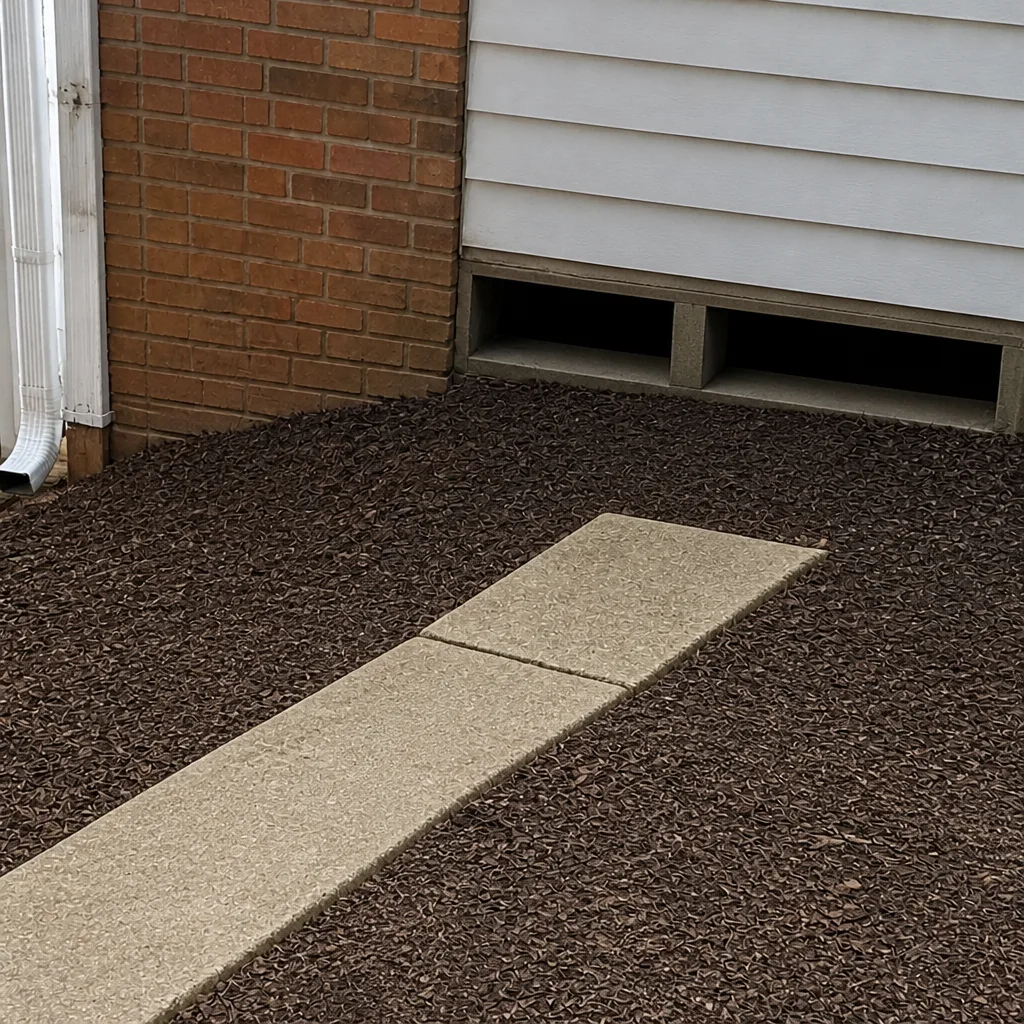
See the difference
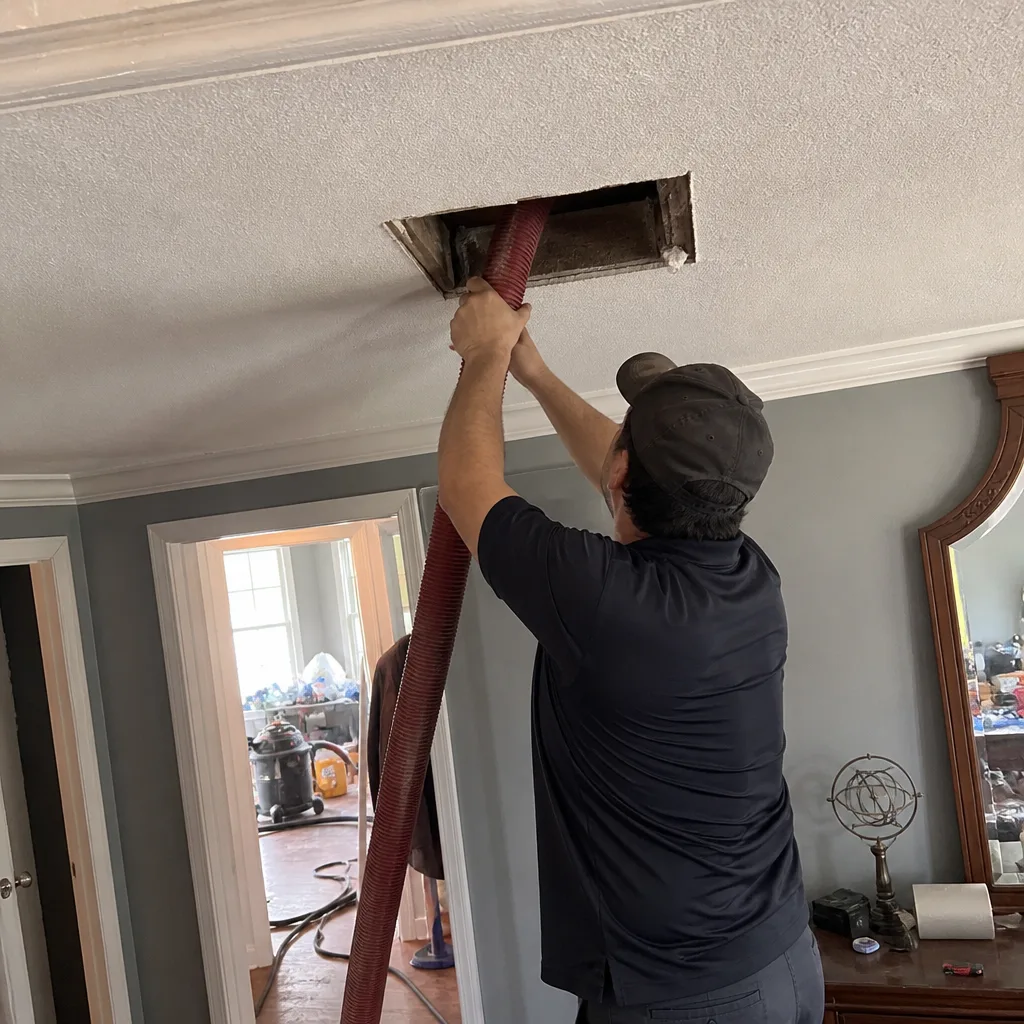 Before
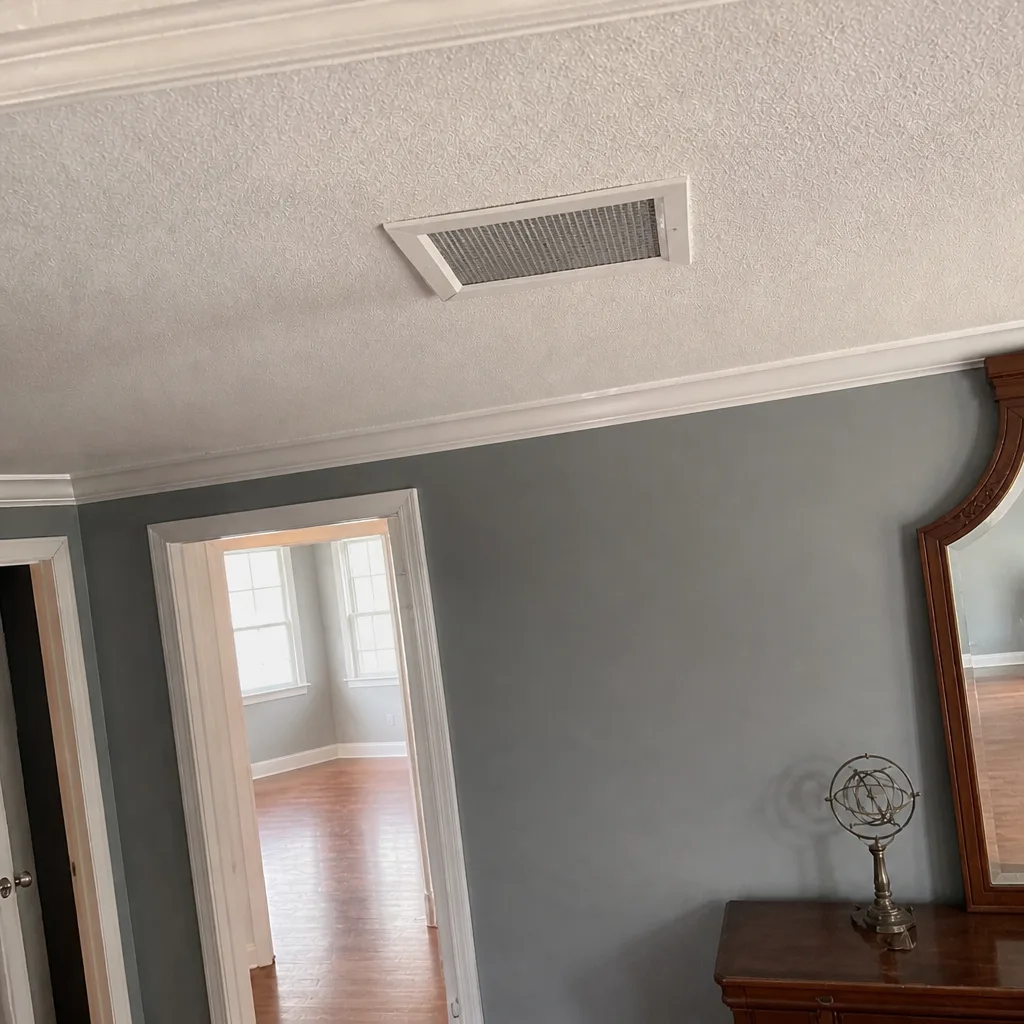 After
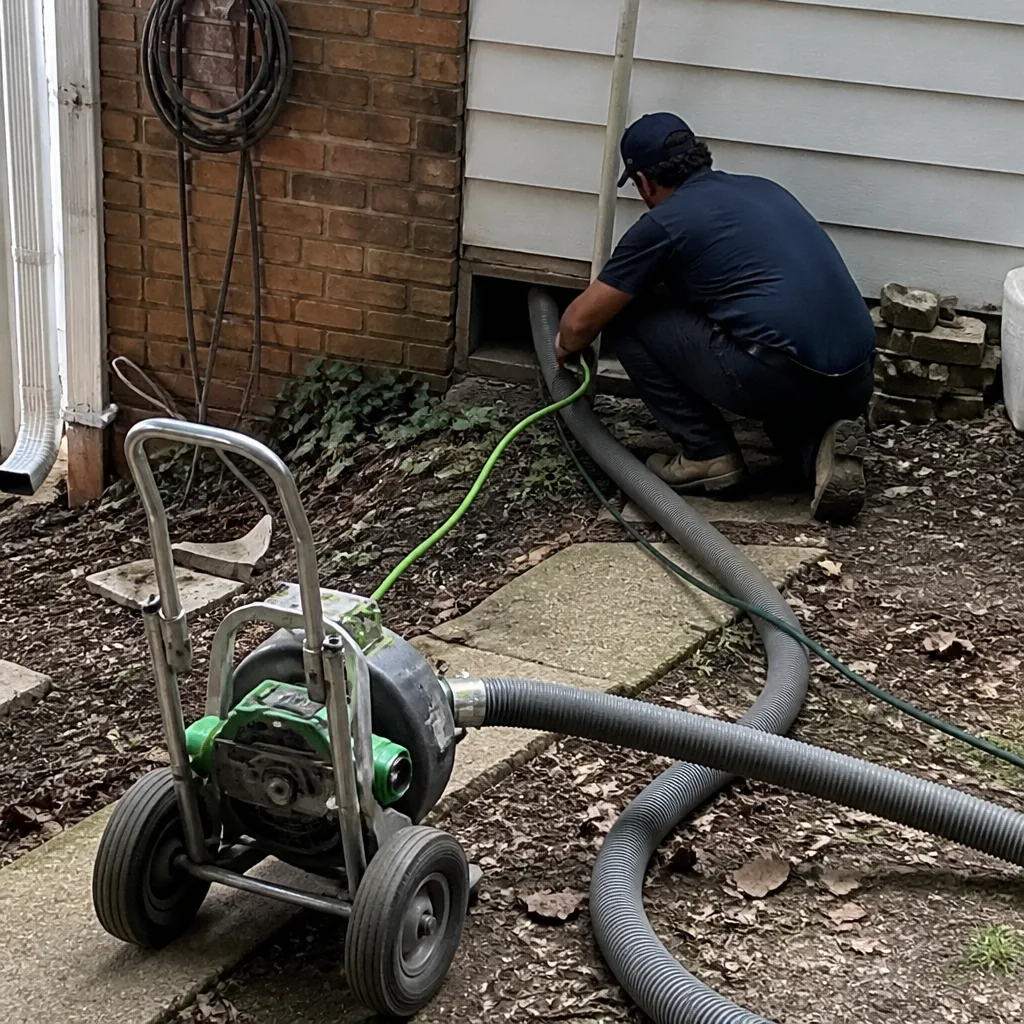 Before
 After
 Before
 After
Frequently Asked Questions
Typical whole-system source-removal duct cleaning in Virginia-Highland runs $450 to $1,200, with most single-system homes landing in the $450 to $750 range. Older bungalow-era homes that need extra access cuts or extensive rotary brush work tend to run higher. Call (833) 513-8601 for a free estimate. We answer 24/7. Fast dispatch from 7am to 7pm, Sunday through Friday.
Most homes do fine with a full system cleaning every three to five years, though homes with pets, recent renovation dust, or heavy allergy concerns benefit from more frequent evaluation. Virginia-Highland’s bungalow-era housing and retrofit ductwork argue for evaluation over clockwork. If the system hasn’t been inspected in several years, a diagnostic-first check makes sense regardless of the calendar. Call (833) 513-8601 for a free estimate.
Not necessarily, but you should know what you inherited. In Virginia-Highland, a surprising number of homes have duct systems that were never properly commissioned when installed or when the HVAC unit was replaced. A pre-clean inspection will tell you whether the system needs cleaning, sealing, or nothing more than a filter change. Call (833) 513-8601 for a free estimate.
It can help when contamination is part of the problem. Removing accumulated dust, pet hair, and microbial growth from the airstream reduces the particulates an allergy sufferer is breathing. Cleaning alone won’t solve leakage pulling in attic or crawlspace air, which is why inspection and sealing matter in older Virginia-Highland homes.
Cleaning removes physical contamination. Sanitizing treats microbial growth on surfaces that have already been cleaned. They’re distinct services and sanitizing always follows mechanical cleaning, not the other way around. A spray alone, without source removal underneath it, is masking a problem.
A whole-system source-removal clean on a typical Virginia-Highland home takes three to five hours, longer if the job includes extensive duct repair or sealing. Air handler cleaning, dryer vent service, and sanitizing are usually worked into the same visit. Call (833) 513-8601 for a free estimate and we’ll scope the visit for your system. We answer 24/7. Fast dispatch from 7am to 7pm, Sunday through Friday.
The Bottom Line
Air duct cleaning in Virginia-Highland isn’t a single action applied to a single object. It’s a diagnostic-first process across a segmented air pathway, done with the right tool for each segment, confirmed with airflow readings, and completed with repair and sealing so the cleaning actually holds. The five services we offer (duct cleaning, dryer vent, HVAC, sanitizing, and duct repair and sealing) exist because the problems interact. If you’re booking a cleaning, book the whole system. Ask for before-and-after photos and airflow numbers. Ask what happens to the joints afterward. If the answer to any of those is vague, keep asking. Our technicians have up to 14 years of experience and work with professional-grade equipment including Rotobrush and Nikro systems. Call (833) 513-8601 for a free estimate. We answer 24/7. Fast dispatch from 7am to 7pm, Sunday through Friday. One flat price per system, agreed before work starts, with before-and-after photos of your own ducts.
Written by the team at Air Duct Cleaning Virginia-Highland.