
Last updated November 25, 2026
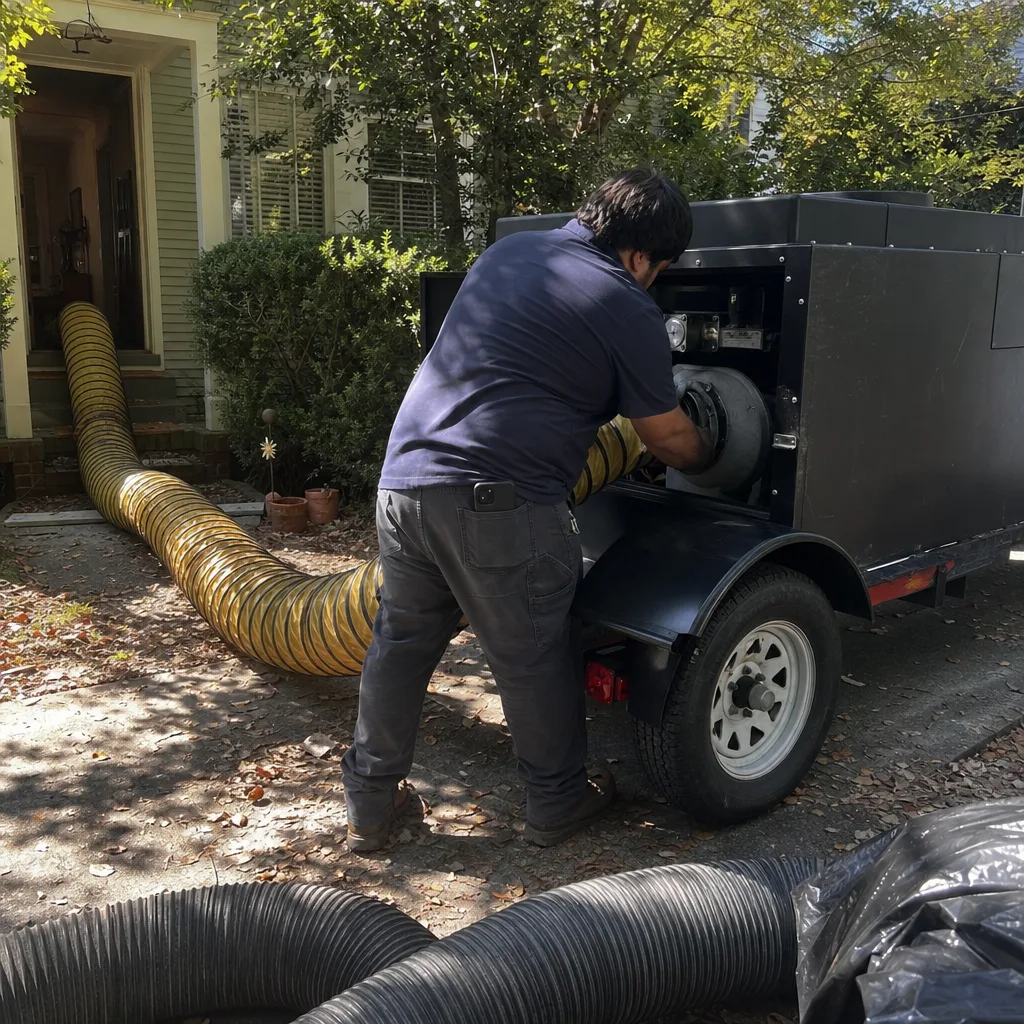
 Whole-home duct cleaning
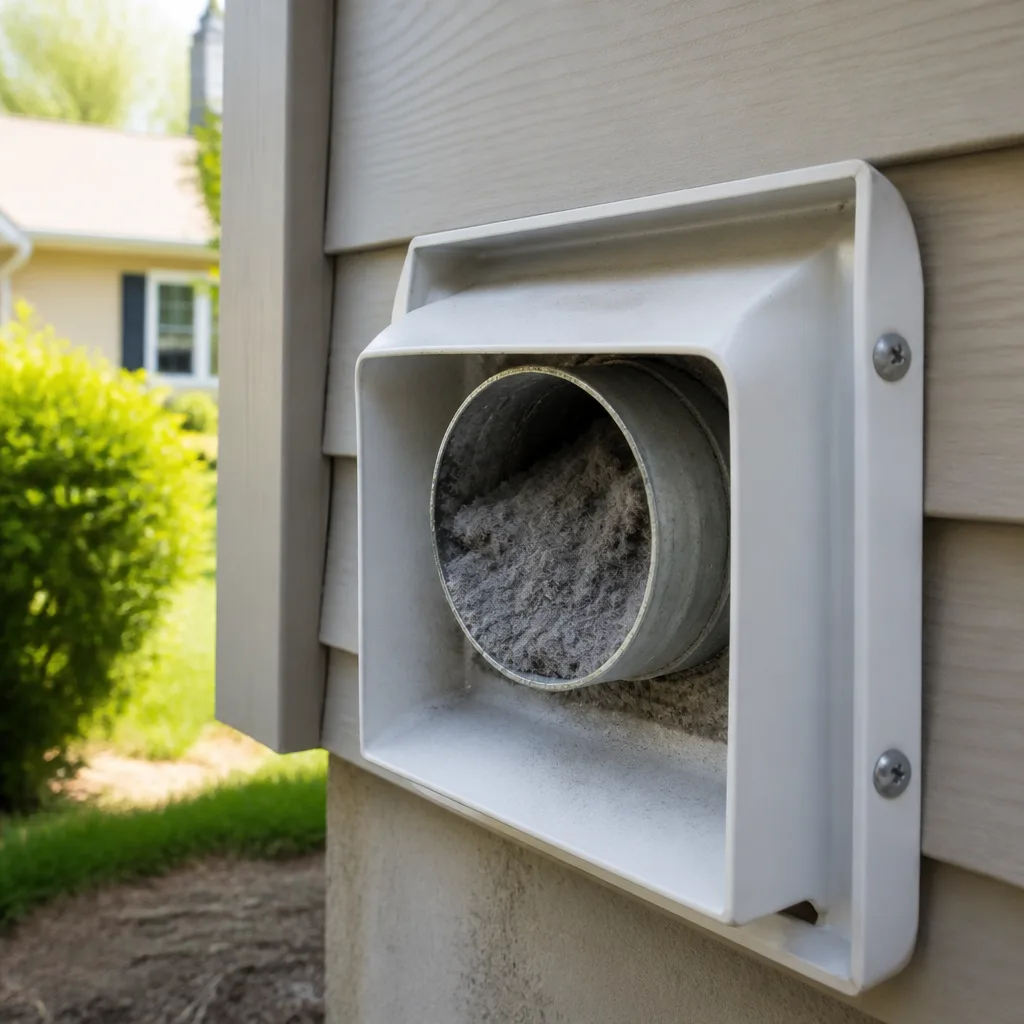 Dryer vent cleaning
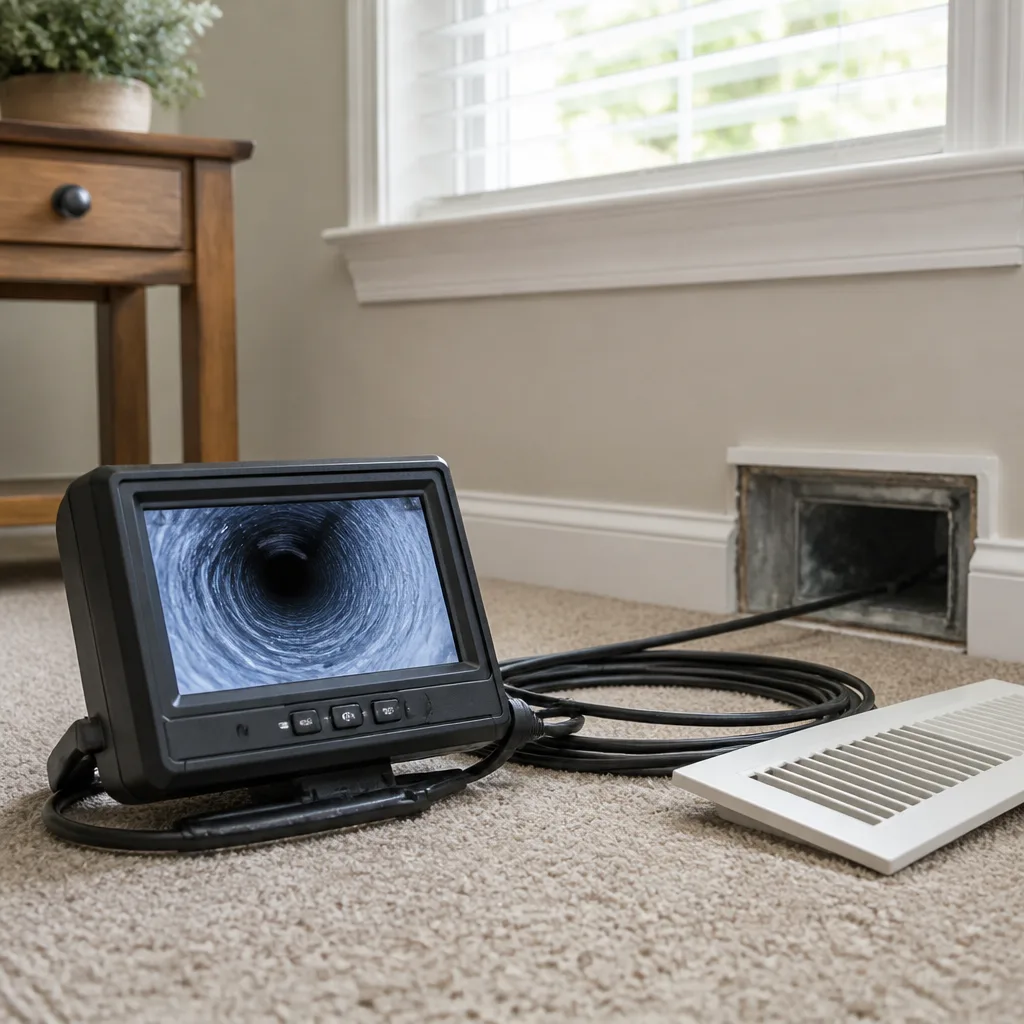 Camera inspection
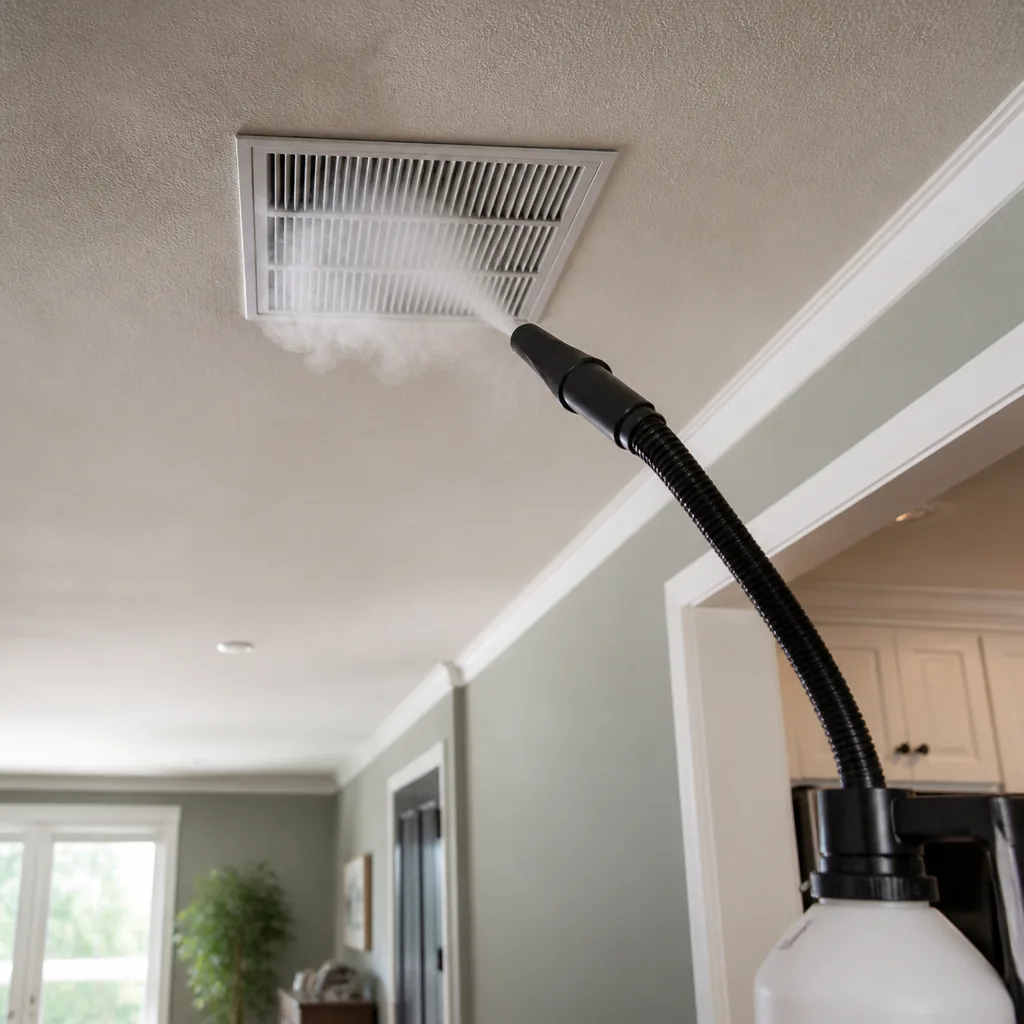 Sanitizing & deodorizing
Whole-system duct and dryer vent check with before-and-after photos - you see exactly what came out of your vents
That "$99 whole-house special" is a bait ad - the real number appears once they are in your hallway, or the "clean" is a shop-vac at the register. We photograph the inside of your ducts before and after instead.
Air Duct Cleaning Maintenance Checklist for Virginia-Highland Homeowners
The most common maintenance mistake we see in Virginia-Highland homes isn’t skipping the annual cleaning. It’s changing the filter on schedule, month after month, while a return grille stays half-blocked by a sofa or a bookcase that hasn’t moved in two years. The filter looks clean, the system runs, and the ductwork quietly starves for return air. This checklist is different from the generic “clean your ducts once a year” advice you’ll find elsewhere. It’s built around what a technician actually inspects, tiered by month, season, and year, so you can spot a real problem early and know exactly when to call. Expect specific indicators you can check yourself, the filter-bypass gap almost nobody looks at, and clear lines between what’s a homeowner fix and what needs a pro.
Styles & brands we work with
- Whole-home duct cleaning
- Dryer vent cleaning
- Camera inspection
- Sanitizing & deodorizing
Quick Answer
A practical air duct maintenance checklist runs on three tiers: monthly tasks you can do yourself (filter check, return grille clearance, a visual look at accessible duct runs), semi-annual tasks that catch seasonal changes (moisture, condensation, airflow balance), and an annual professional inspection of the full air pathway. The checklist’s real job is early detection – spotting filter bypass, duct separation, and moisture before they turn into repair bills – not just booking a cleaning.
Table of Contents
- Why a Maintenance Checklist Beats a Reminder
- Monthly Tasks: What to Check Every Month
- The Filter Bypass Gap at the Air Handler
- Semi-Annual Tasks: Seasonal Indicators in Virginia-Highland
- Signs of Duct Separation You Can See With a Flashlight
- What Musty Odor After Startup Actually Means
- Annual Tasks and a Full-System Professional Check
- Homeowner Fix vs. Professional Call: Where the Line Is
- Common Mistakes to Avoid
- When to Call a Professional
- Frequently Asked Questions
Why a Maintenance Checklist Beats a Reminder
A reminder tells you to clean something. A checklist tells you what you’re looking for. That distinction matters more than most homeowners realize, because the expensive duct problems in Virginia-Highland homes rarely announce themselves. They show up as a small gap at the air handler, a slightly drooping flex run in a hot attic, or a return grille that’s been blocked since the furniture got rearranged.
Virginia-Highland is full of bungalows and mid-century homes where duct systems were either retrofitted after the fact or have been modified by several owners over the decades. That history leaves a specific kind of wear: crawlspace and attic runs that have been spliced, disconnected and reconnected, and a mix of flex and rigid ductwork that ages unevenly. A checklist that reflects how these systems actually behave will catch the failures earlier than a calendar reminder ever will. If you want the deep background on how the full pathway works, our guide to Air Duct Cleaning Virginia-Highland covers the anatomy of a duct system from the return grille back to the handler.
The tiered structure matters too. Monthly tasks are quick – five minutes – and they catch the things that go wrong fast, like a clogged filter or a blocked return. Semi-annual tasks catch seasonal changes, which in Georgia’s humid summers means moisture. Annual tasks are the ones best done by someone with a scope, a blower, and the equipment to actually see the inside of a run. Each tier in this guide points to specific, observable indicators, not vague reminders.
And every tier has a clear “this is a homeowner fix” or “this is a professional call” boundary, which we’ll spell out plainly at the end. The goal is for you to know exactly what you’re seeing and what it means – not to sell you an inspection for every small thing you can fix yourself.
Monthly Tasks: What to Check Every Month
Monthly tasks take about five minutes and catch the failures that develop quickly. Here’s the sequence we recommend for Virginia-Highland homes:
- Inspect the filter. Hold it up to a light. If you can’t see light through it, replace it. Georgia’s pollen season and the amount of time your system runs in summer both affect filter life.
- Clear every return grille. Walk the house and check every return. A sofa, bookcase, or rug partially covering a return is the single most common airflow problem we see in Virginia-Highland homes.
- Clear every supply vent. Same rule: curtains, furniture, and rugs shouldn’t block the supply registers. Adjustable dampers inside the grille should be open.
- Listen at startup. Turn the system on and listen for whistling, rattling, or a whooshing sound at a specific vent. Whistling means restricted airflow somewhere in the pathway.
- Check for dust streaks at grilles. A dark ring around a supply or return grille is often a sign of leakage at the boot, not just a vent that needs wiping.
- Look at accessible duct runs. In an unfinished basement or a garage space where ductwork is visible, glance for sagging, disconnected sections, or tape that has peeled.
Any of the last three signals (whistling, dust streaking, sagging) is a prompt to look deeper, not necessarily a repair. But a return grille that stays blocked for months does real damage: the system pulls harder from the remaining returns, the air handler runs against a pressure it wasn’t designed for, and filtration gets less effective because the air bypasses the filter. The fix is usually moving furniture. The consequences of not moving it show up over time. When a full-system clean is warranted after a long neglect period, that’s the kind of work described on our air duct cleaning page.
The Filter Bypass Gap at the Air Handler
Filter bypass is the maintenance issue almost no homeowner checks, and it defeats the entire filtration system. It’s a gap around the filter’s edges – at the slot it slides into, at the sides of the filter frame, or at a poorly sealed filter box. Air takes the path of least resistance, so instead of flowing through the filter media, it flows around it. The filter looks clean, the system runs, and unfiltered air carries dust straight into the coil and the ductwork.
Here’s where it commonly shows up in Virginia-Highland homes:
- A filter slot cut too large for the filter – a common retrofit problem in older homes where the air handler was replaced without resizing the return plenum.
- A filter that’s a slightly smaller nominal size than the slot it sits in (a 20×25 filter in a 20×25 slot that’s actually 20.5 inches wide is a real gap).
- A filter frame that has warped or pulled slightly away from the ductwork at the plenum.
- A return plenum with visible dust coating around the filter box – the dust that didn’t come through the filter had to come around it.
To check for bypass, look at the air handler with the filter in place and a flashlight. You want the only path from return to blower to be through the filter media. If you can see gaps at the edges, or if you can feel air flowing around the filter when the system is running, the filter is bypassing. Homeowners can usually fix small gaps with a strip of foil tape or by switching to a filter that fits the actual slot dimensions. A filter box that’s warped or a plenum that’s poorly sealed at the seams needs a professional to seal it correctly, which is part of the duct repair side of the work.
This is also why a professional-grade filtration system makes a difference. When we install or service filtration with Honeywell or Aprilaire media cabinets, the cabinet is the filter frame, so there’s no gap to bypass. A media cabinet of the right size, sealed to the plenum, holds the filter across its full face.
Semi-Annual Tasks: Seasonal Indicators in Virginia-Highland
Semi-annual tasks catch what changes with the seasons. Virginia-Highland sits in a humid subtropical climate, and the pattern that matters most for ducts is a long, humid cooling season and a short, mild heating season. Moisture is the semi-annual variable. Here’s the check we recommend twice a year, ideally before the cooling season and before the heating season:
- Do a full grille sweep. Return to the monthly task list and confirm that nothing has migrated in front of a grille between checks.
- Look for condensation. On accessible ductwork in a crawlspace or attic, look for water droplets, damp insulation, or rust at the seams. Condensation on a supply run means insufficient insulation or a very cold run in a humid space.
- Check the drip pan and drain line. With the system cooling, the air handler’s drain should flow freely. A pan with standing water, or a drain line with visible algae, is a moisture problem even before it backs up.
- Smell the air at each supply. A musty smell at one supply and not others is a specific signal (see the section below). A dry, dusty smell at all supplies during the first run of the season is much more common and less concerning.
- Confirm airflow at every vent. A handheld airflow meter is nice, but a tissue held to the grille will tell you whether a vent is moving air at all. Compare it to the rest of the house for balance.
- Look at the outdoor unit and the air handler. Leaves and debris around the outdoor unit, and a dirty coil at the air handler, both stress the system and reduce the value of everything else you do.
Two of those items – condensation and airflow balance – are the ones most worth acting on early. A condensate problem left through a Georgia summer can lead to microbial growth in the air handler and a much larger repair, and an unbalanced system often points to a partially separated flex run or a closed damper that nobody remembers closing. Our HVAC cleaning page covers the coil and air handler side of this work, which is where a lot of moisture problems actually start.
Signs of Duct Separation You Can See With a Flashlight
Duct separation is one of the most common causes of energy loss and contamination in Virginia-Highland homes, and it’s the one homeowners can genuinely look for themselves. A separated duct joint or a disconnected flex run leaks conditioned air into a crawlspace or attic, pulls unconditioned air into the system, and carries attic insulation or crawlspace dust into the airstream. It’s worth a flashlight inspection twice a year, especially if any part of the ductwork is accessible.
What to look for:
- Visible gaps at joints. A gap at a duct joint, even half an inch, is a leak. Look at every seam on accessible rigid duct and at every collar where a flex run connects.
- Peeled or failing tape. Old cloth-backed tape or mastic that has dried and cracked is a reliable indicator that a joint has opened up. Foil tape that looks wrinkled or lifted is a failure waiting to happen.
- Sagging or kinked flex runs. Flex duct should run straight and supported. A kinked or sharply bent run is restricted, and a run that’s sagging below its supports strains the connections at both ends.
- Attic insulation coating the duct. A flex run with insulation dust settled on the outside near a joint is leaking air out of that joint.
- Cold spots or hot spots at the duct surface. With the system running, feel along accessible duct runs. A cold patch on a heating run or a warm patch on a cooling run suggests lost insulation or a leak right there.
- Loose duct runs inside a crawlspace. Flex duct resting on the ground, or a rigid run that has pulled free of a hanger, is a separation risk.
Small tape failures can be resealed with foil tape, but only if the joint is genuinely clean and dry. Larger separations, disconnected flex runs, and any separation at the plenum need a professional, because a poorly sealed joint fails again within a season. This is exactly why duct repair and sealing sits alongside cleaning in our service menu. Cleaning without sealing a separated run pulls dirt straight back into the system the next time the fan runs. The dryer vent cleaning work is a separate system, but the same principle applies: the joint and the pathway matter as much as the debris inside.
What Musty Odor After Startup Actually Means
The musty smell that greets you when the system first comes on is one of the most misunderstood indicators in duct maintenance. Here’s what it actually means, and what it doesn’t:
What it usually is not: dust burn-off. When a system sits idle for weeks or months, dust settles on the heat exchanger, the blower, and the coil. On the first run of the season, that dust heats up and produces a dry, dusty, slightly acrid smell. It dissipates within a few minutes of running. Dust burn-off is common in Virginia-Highland homes after the first cool morning of fall and after a vacation. It’s a nuisance, not a problem, though a strong or persistent dust smell can indicate a coil or blower that needs cleaning.
What it usually is: biological growth. A true musty, earthy smell (like a damp basement) that persists past the first ten minutes of running, or that returns every time the system comes on, points to microbial growth somewhere in the system. The usual location is the evaporator coil, the drain pan, or the interior of the air handler, not the ductwork itself. The reason is simple: the coil and drain pan are wet whenever the system is cooling, and warm, dark, wet surfaces are exactly where growth starts.
What it can be: moisture in a duct run. If the musty smell is concentrated at one or two supplies and not the whole house, the growth may be local to the ductwork in that area – usually a run in a crawlspace or attic that has picked up water. A duct run in a humid crawlspace with a separated joint can pull crawlspace air straight into the living space, and crawlspace air has its own musty signature.
If the smell persists past the first run or returns every time the system starts, it’s worth a professional look. Mechanical cleaning removes dirt and debris, but growth in the coil and pan needs more than cleaning – sanitizing treats what cleaning alone leaves behind, and the coil and pan should be part of the assessment rather than assumed to be clean.
Annual Tasks and a Full-System Professional Check
Once a year, the checklist shifts from homeowner observation to a professional look at the parts of the system you can’t see. The right time in Georgia is late spring, before the cooling season drives the system hard for months.
What an annual professional check should include:
- Inspection of the full air pathway, not just the vents – supply and return runs from the handler to the registers.
- Filter bypass check at the air handler, with the correct filter size confirmed and any gap sealed.
- Coil, blower, and drain pan inspection and cleaning where needed.
- Duct separation check in the attic and crawlspace, with any failed joints sealed or repaired.
- Airflow measurement at the registers, and a balance check across the system.
- A conversation about filtration and air quality products, if the current filter isn’t doing the job.
The professional check is also where source removal happens, which is the standard the industry works to. Source removal means the debris is agitated and physically extracted from the duct surfaces, not just blown around by suction. Contact cleaning with a rotary brush system physically disturbs the buildup on the duct wall and captures it. That’s the reason our work relies on Rotobrush contact cleaning and Nikro equipment: the point is to move debris off the surface and out, then verify it’s gone. Containment and contaminant capture during the cleaning itself come from Abatement Technologies filtration, which keeps what’s dislodged inside the machine rather than distributing it through the house.
An annual check is also the right moment to look at the duct system as a whole – cleaning, repair, sealing, and filtration together – because a single-provider assessment catches interactions that get missed when each piece is handled by a different company. The interaction between a filter upgrade and a duct separation is the most common: a great filter does its job only if the ducts around it are tight.
Homeowner Fix vs. Professional Call: Where the Line Is
The line between homeowner fix and professional call is about whether the fix will actually hold and whether the problem is somewhere you can safely reach. Here’s a practical map:
- Homeowner fix: replacing a filter, clearing a return grille, repositioning furniture, opening a closed damper, wiping a dusty grille, replacing a section of foil tape on a clean, dry joint.
- Professional call: filter bypass at the filter frame or plenum, any separation larger than a small tape failure, disconnected flex runs, condensation on supply runs, musty smell that persists past the first run, standing water in the drain pan, and any airflow problem that isn’t fixed by clearing a grille.
- Borderline: a small joint gap in an accessible attic or crawlspace. Foil tape can work if the joint is clean and dry, but if the joint has failed more than once, a professional seal will hold longer.
Two safety notes matter here. First, much of the ductwork in Virginia-Highland homes runs through attics and crawlspaces, and both are places people fall through or get hurt in. If a check requires climbing into an attic, stepping onto joists, or crouching through a crawlspace, and you’re not set up to do that safely, it’s a professional call even if the fix itself would be a homeowner fix. Second, and more important, anything that involves the electrical components of the air handler or the gas line to a furnace should be left to a licensed professional. We never recommend opening an electrical panel or working on a gas connection as a homeowner task, and we don’t give step-by-step instructions for it. The safest recommendation is to have your system serviced by a qualified professional.
Common Mistakes to Avoid
- Changing the filter consistently but ignoring the return grille. Two Virginia-Highland homes can have the same filter schedule and very different air quality if one has a sofa parked in front of the main return. Walk the house and confirm every grille is clear before deciding the filter is the problem.
- Assuming a clean filter means clean air. The filter only cleans what passes through it. If the filter is bypassing, the filter is clean and the air isn’t. Check the fit at the air handler, not just the filter’s face.
- Cleaning ducts without sealing them. A separated run in a crawlspace re-contaminates the system the next time the fan runs. Cleaning and sealing belong together, which is why we don’t separate them in a full-system job.
- Treating a persistent musty smell as dust burn-off. Dust burn-off fades within minutes. A musty, earthy smell that returns every time the system comes on is a moisture and growth problem, and it’s worth a professional look rather than another filter change.
- Ignoring condensation in the attic or crawlspace. A duct run with visible condensation in a Georgia summer is losing insulation and likely leaking. Letting it run through a season is how drywall stains and coil problems start.
- Climbing into an attic or crawlspace without a safe setup. Attic runs and crawlspace runs are where most separation happens, and they’re also where most homeowner injuries happen. Look from the opening if you’re not set up for the space.
- Treating a checklist as a substitute for looking. The whole point of a tiered checklist is to specify what to observe, not to be a box to tick. A grille “checked” while a bookcase is in front of it was not checked.
When to Call a Professional
A professional call is warranted when the problem is somewhere you can’t safely reach, when the fix won’t hold, or when the indicator is one of the moisture and growth signals. The specific triggers: filter bypass at the frame or plenum that you can’t seal with foil tape, any duct separation larger than a small tape failure, disconnected flex runs, condensation on supply runs, musty odor that persists past the first run, standing water in the drain pan, and airflow problems that clear grilles don’t fix.
If the system has gone several years without a professional look, an annual full-system check is the right starting point. Air Duct Cleaning Virginia-Highland offers free estimates in Virginia-Highland. Call (833) 513-8601. We answer 24/7. Fast dispatch from 7am to 7pm, Sunday through Friday. All work is priced per job by a written estimate, and the written estimate sets the final price.
Frequently Asked Questions
Cleaning should follow evidence, not a calendar. Most Virginia-Highland homes need a professional look at the full pathway every year or two, with a clean when the inspection finds visible debris, a moisture problem, or a separated run. Two things in this climate push the interval shorter: a long humid cooling season, and crawlspace or attic ductwork that has been modified over time. An annual check tells you whether the system needs more than that. Call (833) 513-8601 for an exact quote. Estimates are free.
Dust around the grille is usually a sign of leakage at the boot or the register connection, not a filter problem. A clean filter can’t stop dust that’s leaking in at the joint between the duct and the grille, or that’s being drawn in around a bypassing filter frame. Have the register boots and the filter fit checked before assuming you need a new filter schedule.
If the musty, earthy smell fades within about ten minutes and doesn’t return, it’s likely dust burn-off from the coil, blower, or heat exchanger, and it’s a nuisance rather than a problem. If it persists or returns every time the system starts, it points to microbial growth, usually on the evaporator coil, in the drain pan, or in a crawlspace or attic duct run. That case needs a professional assessment, and sanitizing may be part of the fix after the coil and pan are cleaned. Call (833) 513-8601 for an exact quote. Estimates are free.
Yes, from a safe location. With a flashlight, you can look at accessible duct runs in an unfinished basement, a garage, or from the attic or crawlspace access opening. You’re looking for gaps at joints, peeled tape, kinked or sagging flex runs, and insulation dust settled near a joint. Don’t climb into an attic or crawlspace unless you’re set up to do it safely, and never open or work on electrical or gas components yourself.
Filter bypass is a gap around the filter’s edges that lets air go around the filter instead of through it. With the filter in place and the system running, you can see gaps at the slot or frame edges with a flashlight, or feel air moving around the filter’s perimeter. Small gaps can usually be sealed with foil tape; a warped filter box or a poorly sealed plenum needs a professional. A properly sized media cabinet like the ones we work with from Honeywell and Aprilaire eliminates the bypass because the cabinet holds the filter across its full face. Call (833) 513-8601 for an exact quote. Estimates are free.
Yes, if the inspection finds a separation. Cleaning removes debris, but an open joint lets crawlspace or attic air back in the next time the fan runs, and the system gets dirty again. Sealing the joint as part of the job is what makes the cleaning last. Cleaning, repair, sealing, and sanitizing are best assessed together because they interact.
The Bottom Line
A maintenance checklist works because it tells you what to look for, not just when to book a cleaning. Run the monthly tasks in five minutes, do the flashlight inspection twice a year, and have the full pathway checked professionally once a year. The signals that matter most – filter bypass, duct separation, condensation, persistent musty odor – are all things an owner can spot early and act on. Our technicians have up to 14 years of experience, and they work with Rotobrush and Nikro to physically remove buildup, Abatement Technologies to capture what’s dislodged, and Honeywell and Aprilaire on the filtration side. One call covers cleaning, repair, sealing, and sanitizing. Call (833) 513-8601. We answer 24/7. Fast dispatch from 7am to 7pm, Sunday through Friday.
Written by the team at Air Duct Cleaning Virginia-Highland.
See the difference
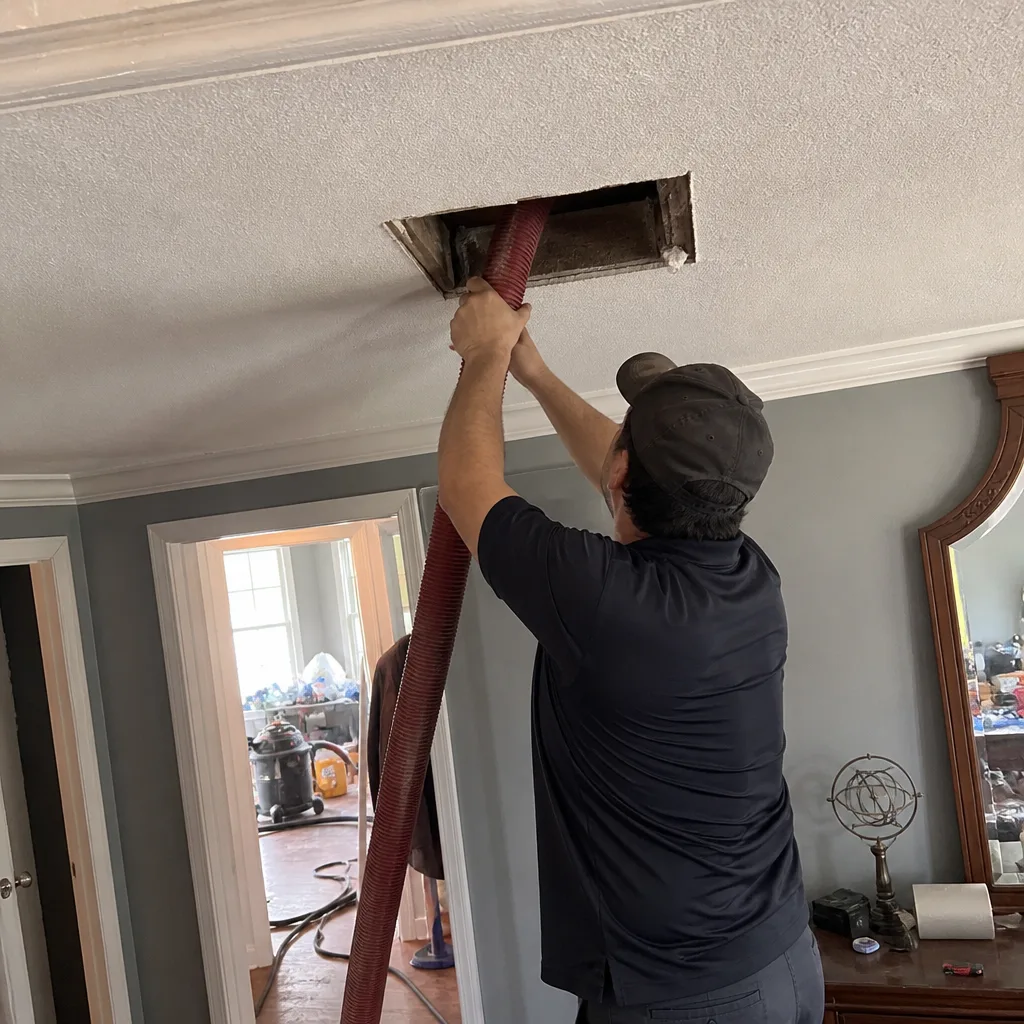 Before
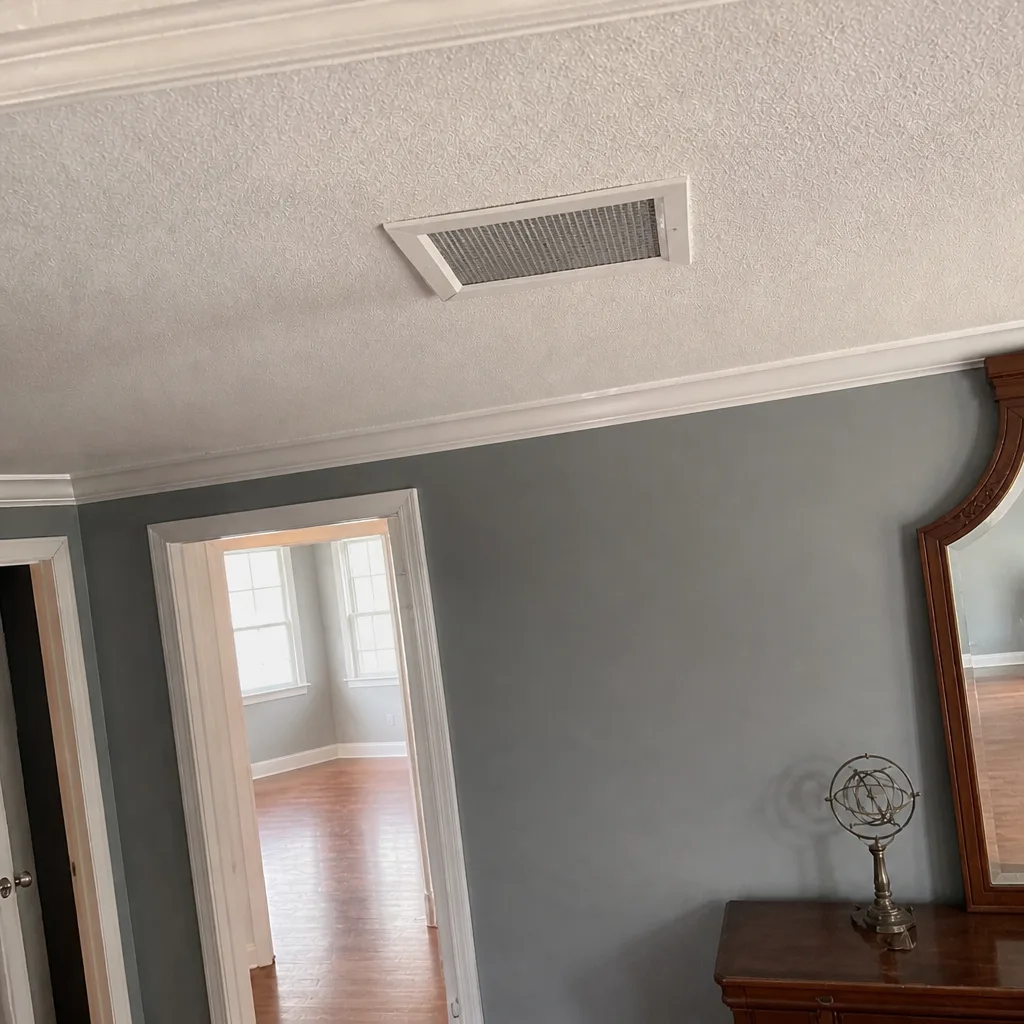 After
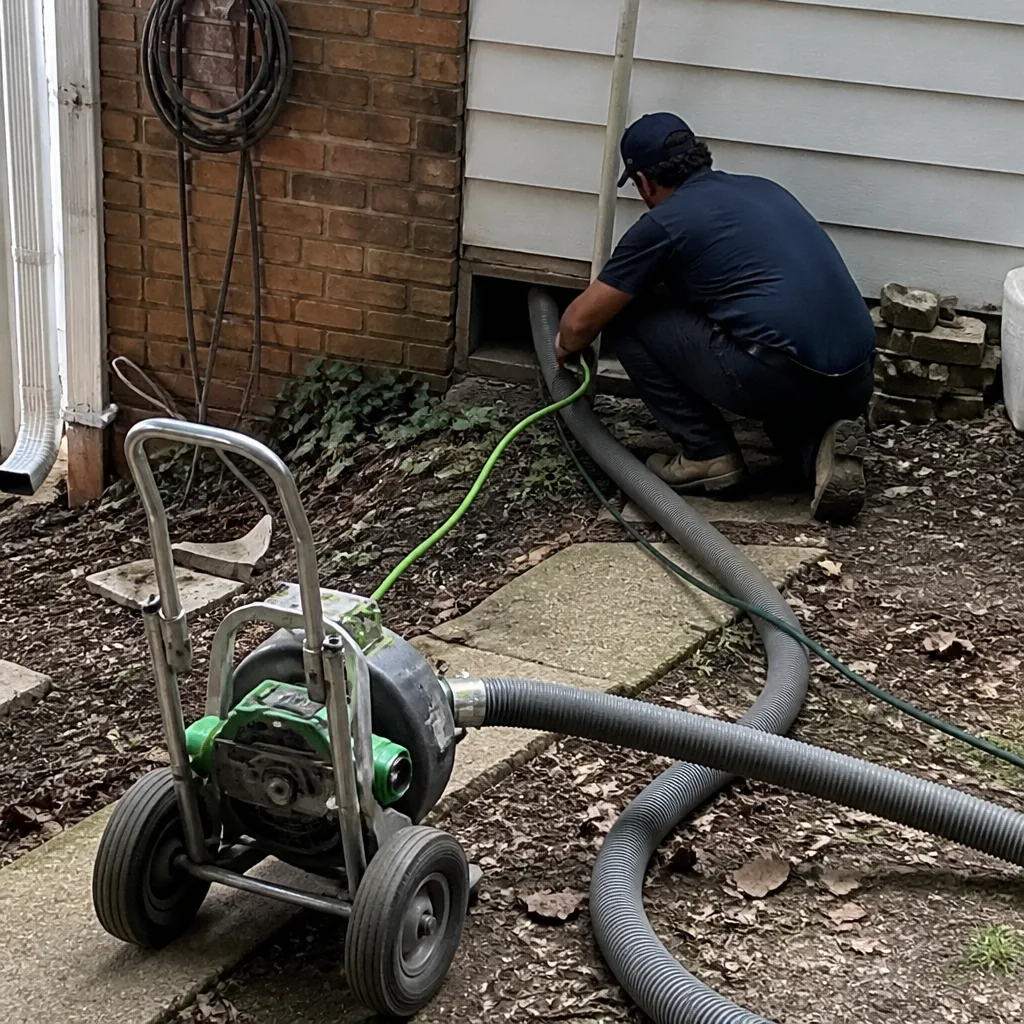 Before
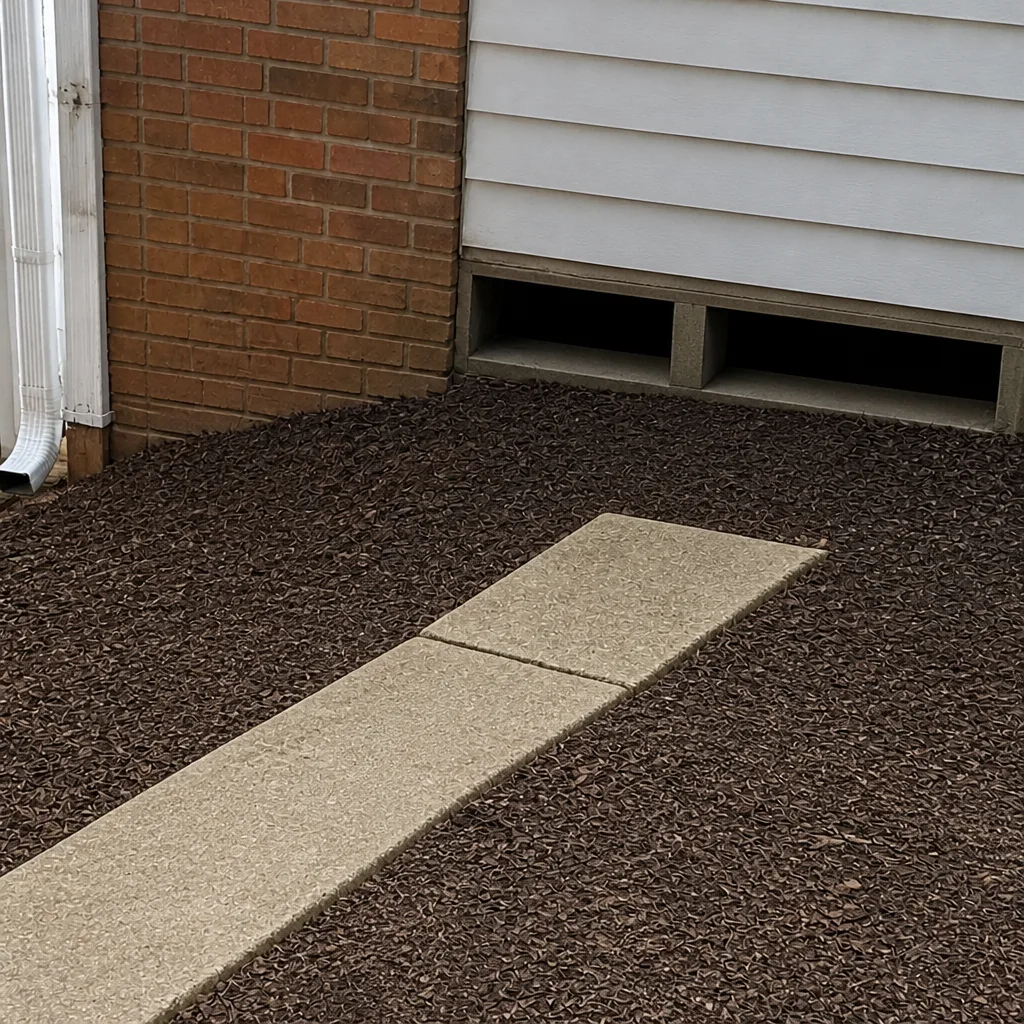 After
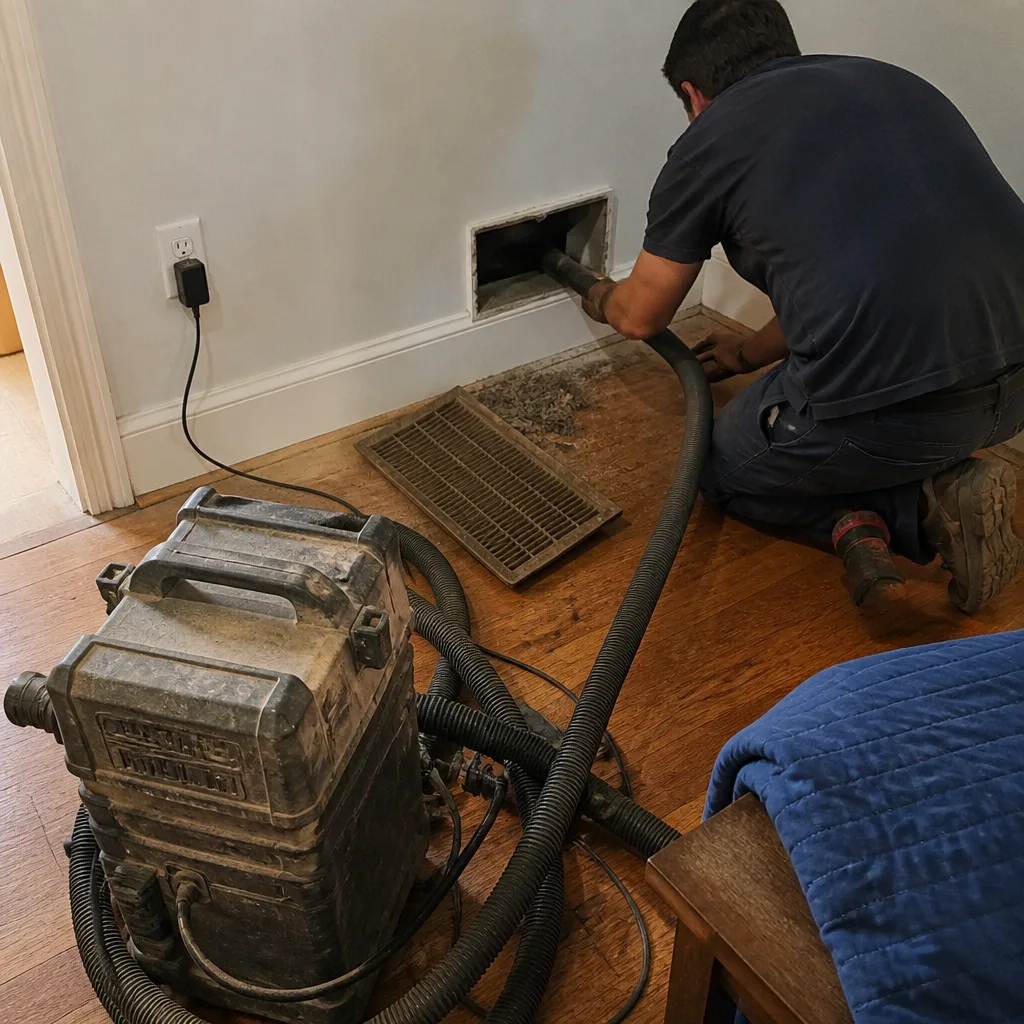 Before
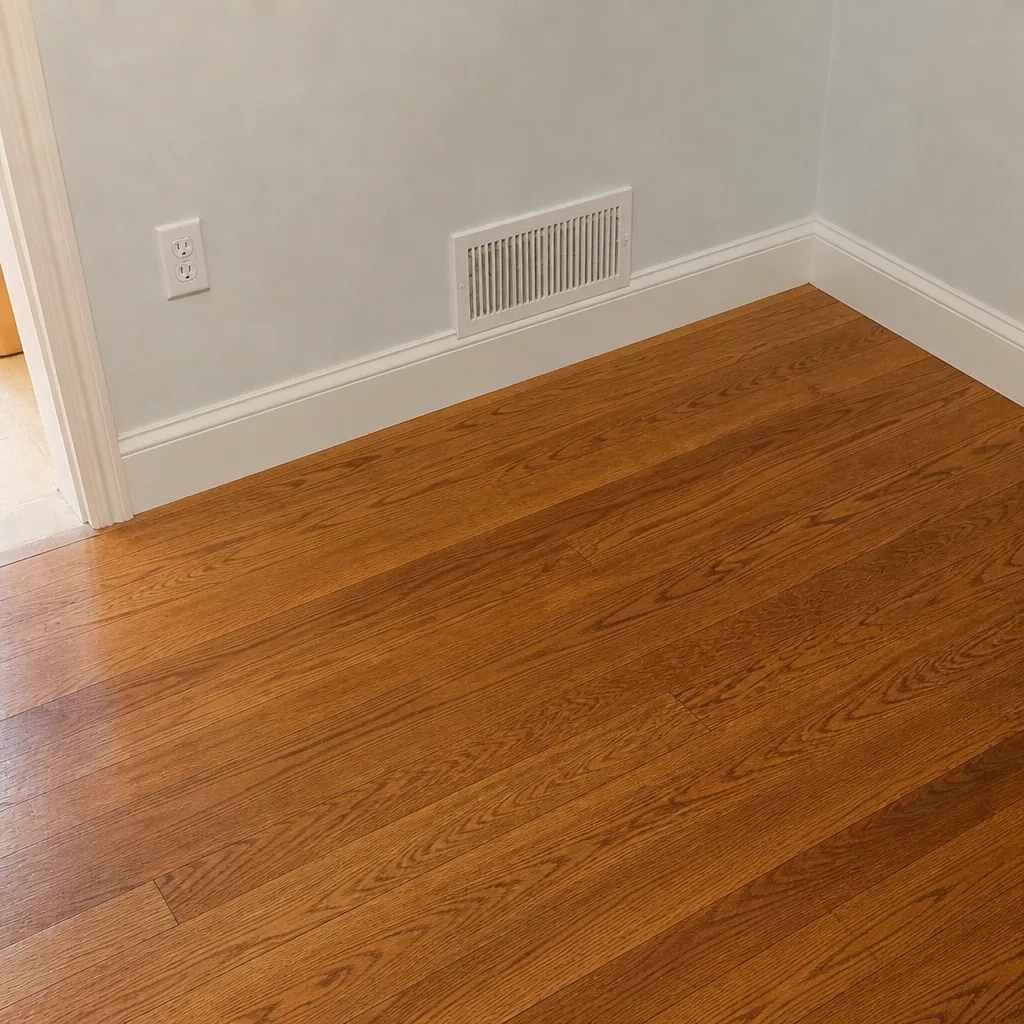 After