
Last updated November 25, 2026
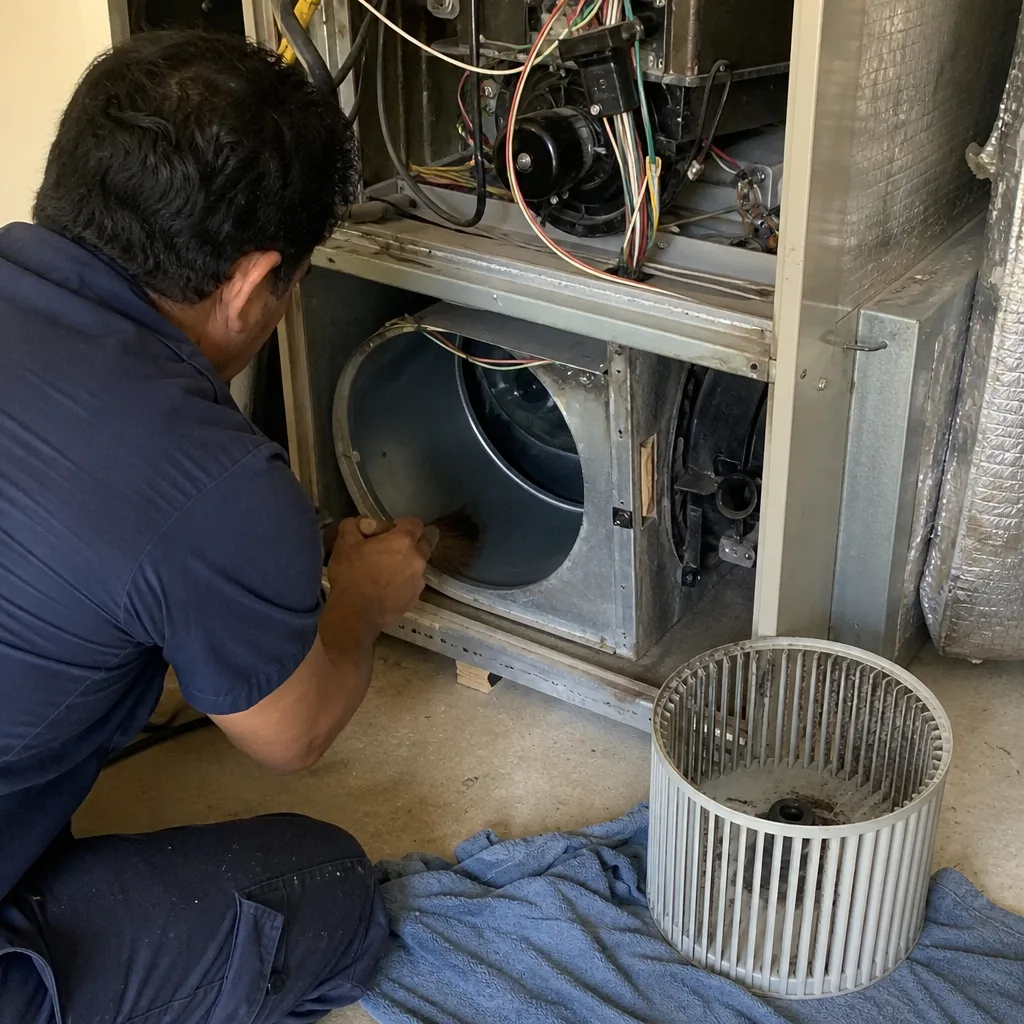
 Whole-home duct cleaning
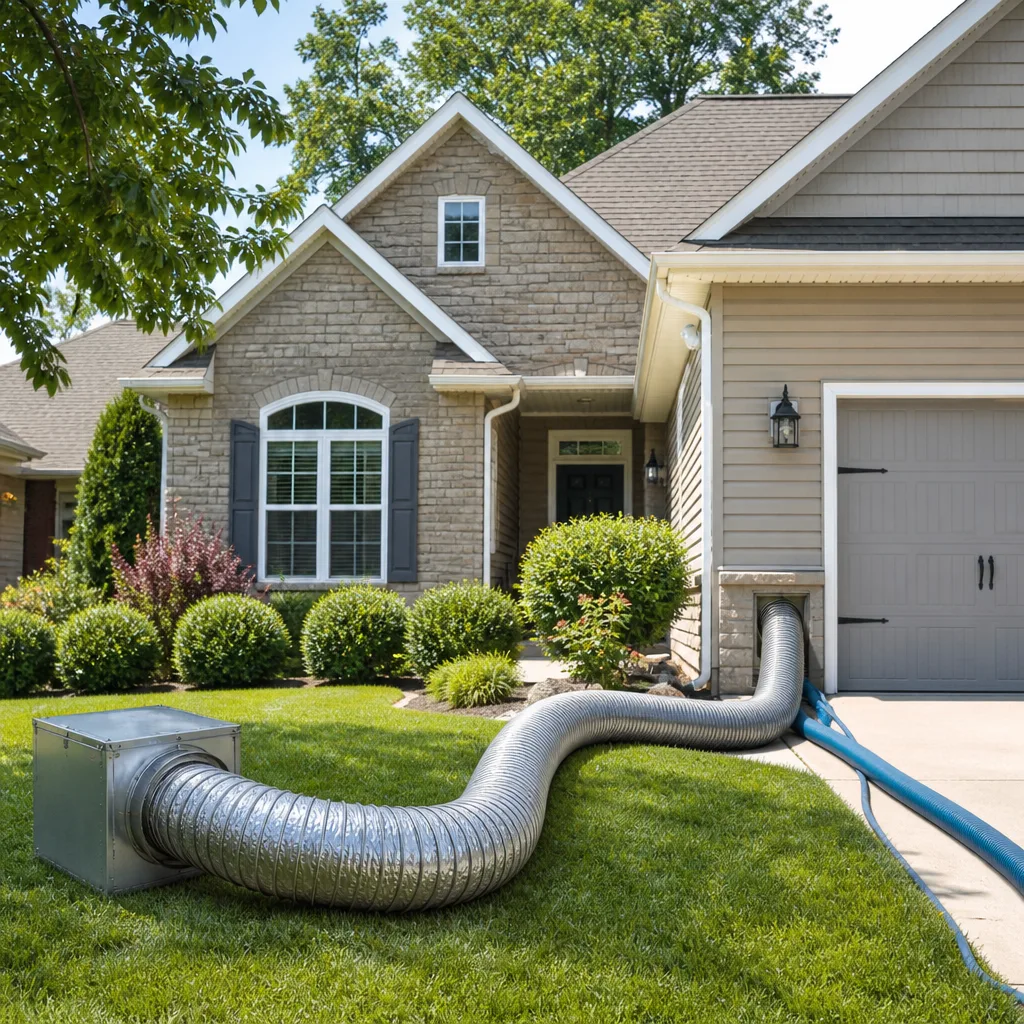
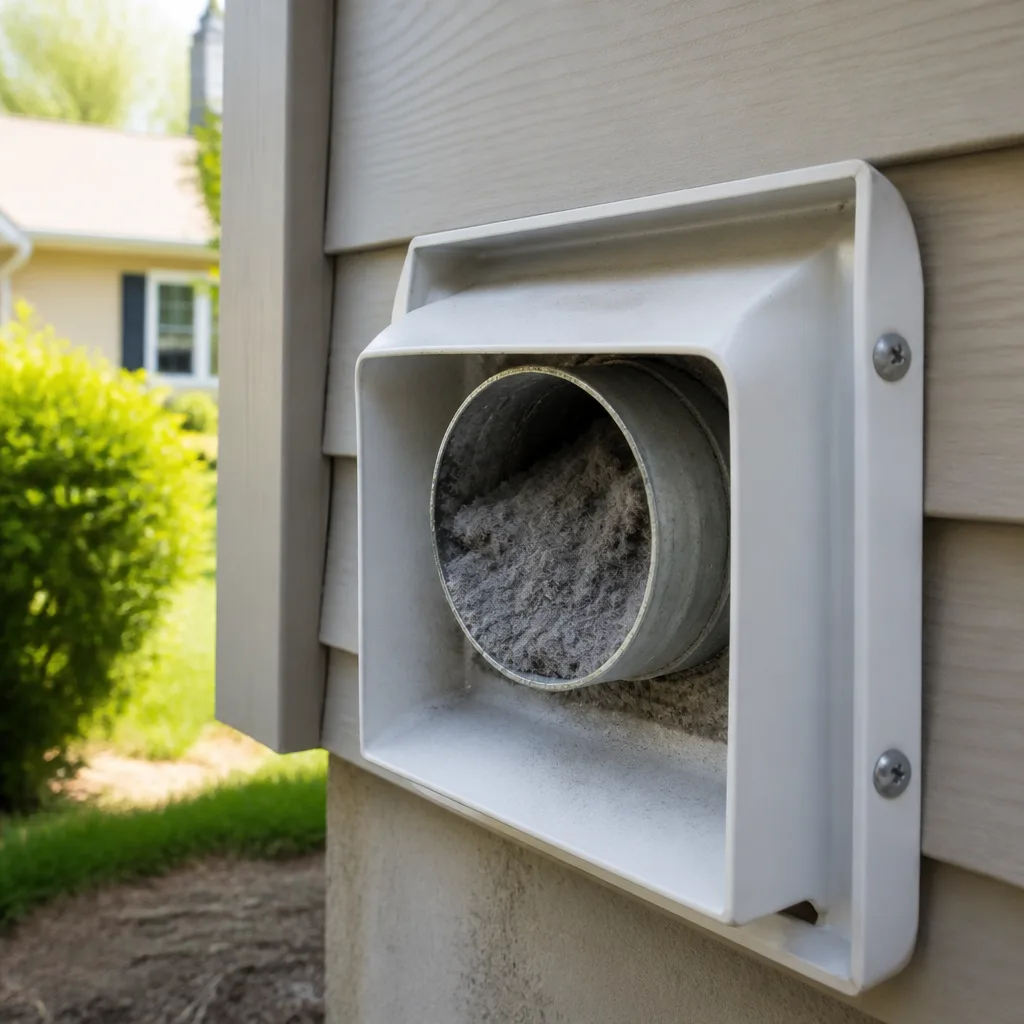 Dryer vent cleaning
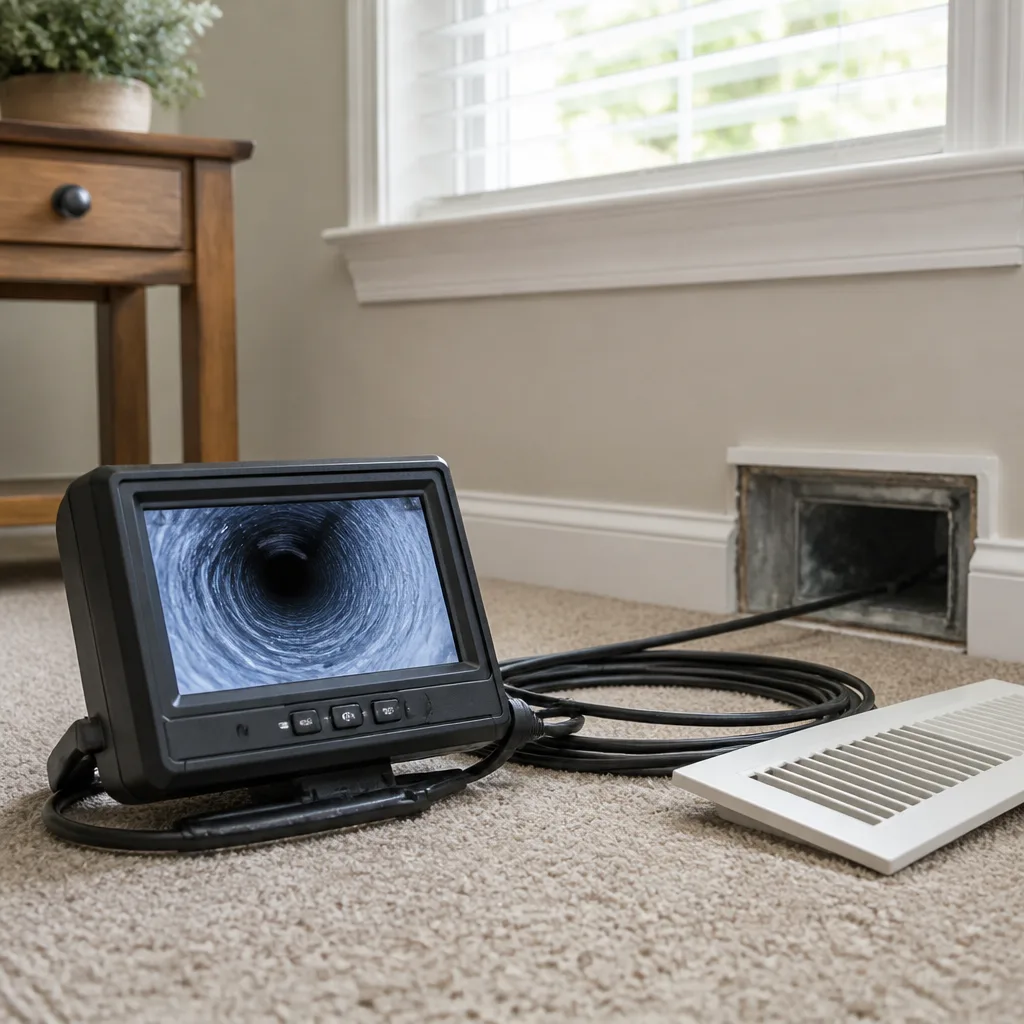 Camera inspection
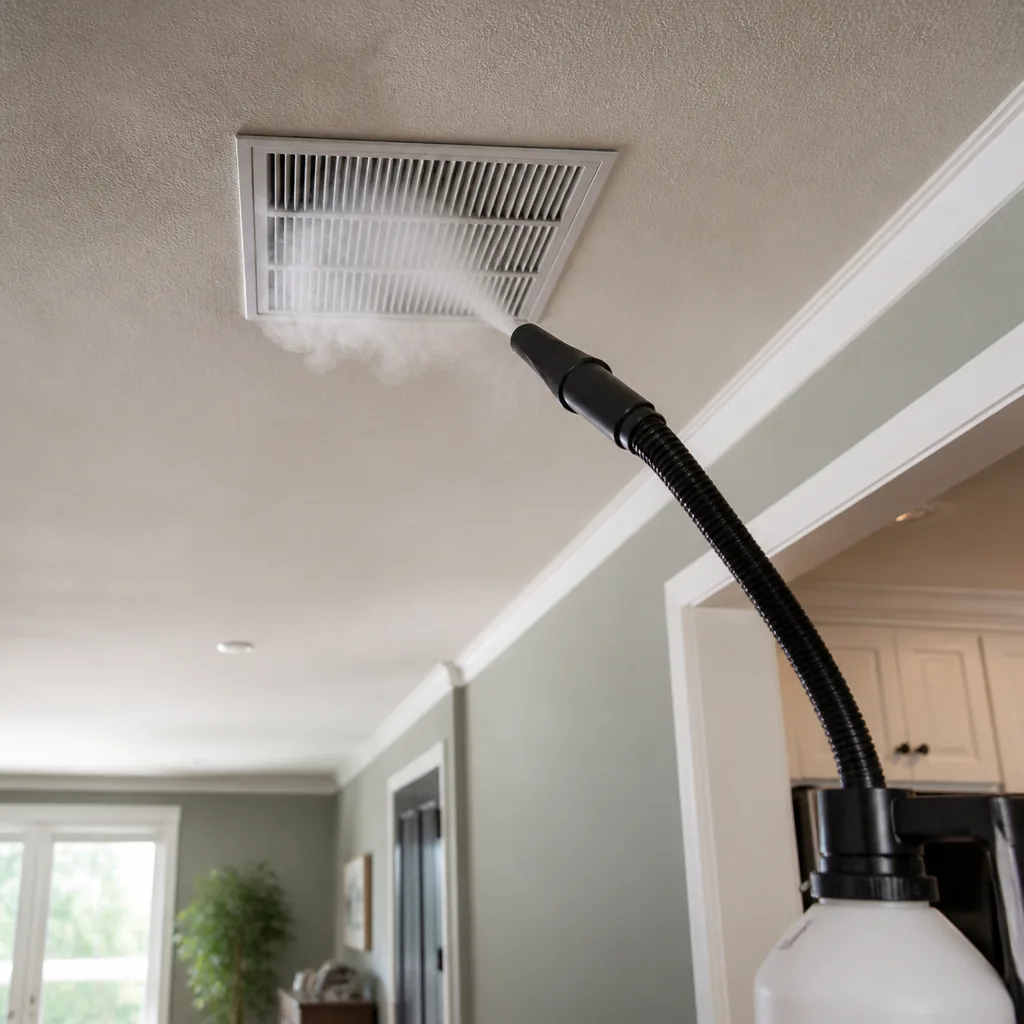 Sanitizing & deodorizing
Whole-system duct and dryer vent check with before-and-after photos - you see exactly what came out of your vents
That "$99 whole-house special" is a bait ad - the real number appears once they are in your hallway, or the "clean" is a shop-vac at the register. We photograph the inside of your ducts before and after instead.
Air Duct Cleaning Cost Breakdown: The Virginia-Highland Homeowner’s Reference for 2026
A $99 air duct cleaning quote and a $650 quote are not competing prices for the same service. They describe two different activities. One is usually a quick pass over the visible vents with a shop vacuum; the other is a full-system source-removal clean that agitates and extracts debris from the entire duct pathway. When a homeowner picks the lower number based on price alone, they haven’t saved money. They’ve paid for a service they didn’t receive, and the buildup is still there.
This guide gives you the line-item vocabulary to tell those two quotes apart before you sign anything. You’ll see what drives cost in Virginia-Highland specifically, why older homes here tend to land at the higher end of regional ranges, and how to compare written quotes on scope instead of sticker price.
Quick Answer
Air duct cleaning in Virginia-Highland typically runs $350 to $700 for a standard single-system home, with larger or multi-system houses and older properties with complex duct layouts landing between $600 and $1,200. The single biggest factor in that spread is scope, not competition: whole-system source-removal cleaning, sealing, and sanitizing cost more than a vent-only surface pass because they involve more equipment time and more of the actual ductwork.
Styles & brands we work with
- Whole-home duct cleaning
- Dryer vent cleaning
- Camera inspection
- Sanitizing & deodorizing
Table of Contents
- Why Two Virginia-Highland Quotes Can Differ by Five Times
- Per-Vent Pricing vs. Whole-System Pricing
- The Legitimate Cost Drivers
- Sanitizer and Deodorizer: When They’re Necessary and When They’re a Margin Line
- Why Virginia-Highland Homes Often Land at the Higher End
- What Each Service Line Typically Costs
- How to Structure a Written Quote Comparison
- What a Full-System Clean Actually Involves
Why Two Virginia-Highland Quotes Can Differ by Five Times
The price gap in air duct cleaning isn’t market noise. It’s a scope gap. A provider quoting $99 is usually selling a vent-and-register cleaning: they remove the grilles, vacuum what they can reach from the opening, and put the covers back. A provider quoting $600 is selling source removal, which means running rotary brush-vacuum equipment through the length of each trunk and branch line, capturing the dislodged debris with HEPA-grade filtration, and cleaning the air handler and plenum where the system’s contamination usually originates.
Those are different jobs with different equipment requirements and different time commitments. Comparing them by price is a category error, the same way comparing a paint touch-up to a full exterior repaint would be.
In our experience across Virginia-Highland, the number of homeowners who describe a cheap cleaning as “they were in and out in 45 minutes” is not a coincidence. A genuine source-removal clean on a typical single-system home takes considerably longer than that, because the technician is working through every branch run, not just the accessible openings.
What separates a real clean from a surface pass comes down to three things:
- Contact agitation. Rotary brush systems like Rotobrush physically scrub the duct walls. Suction alone lifts loose dust but leaves the adhered film that feeds microbial growth.
- Negative pressure and filtration. Professional setups maintain the duct under negative pressure and filter the exhaust air, so dislodged contaminants leave the system instead of settling into your living room. Abatement Technologies filtration equipment is built for exactly this.
- Coverage of the air handler. The furnace or air handler and the plenum above it are where the heaviest buildup tends to collect. A quote that doesn’t include the HVAC unit isn’t cleaning the source.
If you want the full detail on what professional-grade air duct cleaning in Virginia-Highland involves at the equipment level, that’s covered on our main service page. For pricing purposes here, the takeaway is simple: ask every provider what equipment they use and whether the air handler is included. The answers will explain the price difference instantly.
Per-Vent Pricing vs. Whole-System Pricing
There are two pricing models in this trade, and they tend to produce different outcomes. Per-vent pricing charges a set amount for each register or vent in the home, so a house with 18 vents costs more than a house with 10. Whole-system pricing charges one flat figure for the entire duct pathway regardless of how many vents it terminates in.
Per-vent pricing sounds transparent, and it can be. The problem is what it incentivizes. When revenue is tied to vent count, the pressure is to move quickly from vent to vent rather than to spend time on each branch run. It also leaves rooms for the upsell: a technician who counts 22 vents on arrival instead of the 18 you mentioned on the phone can revise the price on the spot.
Whole-system pricing aligns the incentive differently. The price is agreed before work starts, and the technician’s job is to clean the system completely, not to log vent visits. If a branch line is difficult to access or a section of flex duct has collapsed, the work still has to be done; there’s no per-vent meter running.
Which model is more likely to result in incomplete work? Per-vent pricing, in our experience, for two reasons:
- It rewards speed over coverage. A technician paid per vent has a financial reason to spend less time per vent, and shallow work is hard for a homeowner to detect afterward.
- It creates a natural stopping point. If the count on site exceeds the quote, the conversation shifts to price rather than to completing the clean, and some homeowners settle for “just the main lines.”
Neither model is inherently dishonest. But when you’re comparing quotes, note which model each provider uses. A per-vent quote and a whole-system quote aren’t the same product, and the lower per-vent number often isn’t the lower final invoice once the count is reconciled. When you call us for air duct cleaning, we quote one flat price for the system after seeing the layout, and that’s the number that holds.
The Legitimate Cost Drivers
Not every price variation is a scope trick. Some homes genuinely cost more to clean than others, and a quote that reflects that isn’t padding. Here are the factors that legitimately move the number, in rough order of impact:
- Square footage and vent count. A 1,400-square-foot bungalow and a 3,200-square-foot two-story are different jobs. More ductwork means more equipment time.
- Number of HVAC systems. A house with two separate systems (common in larger Virginia-Highland homes with additions) means two air handlers, two plenums, and two duct networks. Expect the price to roughly double or land somewhere between a single-system price and double, depending on how the systems are laid out.
- Duct material. Sheet metal cleans up predictably. Flexible duct has ridges that trap debris and requires gentler technique to avoid damage. Older ductboard can be fragile. Mixed-material systems, which are common in homes that have been added onto over the years, take more time because each section needs a different approach.
- Accessibility. Ducts running through a conditioned attic or a tight crawlspace take longer to reach and work in than ducts in an open basement. In Virginia-Highland, crawlspace and attic routing is the norm rather than the exception in older homes, and that’s a real cost.
- Contamination level. A system cleaned a few years ago is faster to service than one that’s gone a decade or more without attention. Heavy buildup means more passes and more filtration time.
- Add-on services. Sealing, sanitizing, and HVAC unit cleaning add cost, but only some of them are necessary for a given home. More on that below.
What’s not a legitimate cost driver: the day of the week, the time of day, or “emergency” scheduling. Pricing is set per job by the written estimate, and it’s the same whether you book for a Tuesday morning or a Friday afternoon. If a provider quotes a premium for scheduling outside standard hours, ask why, because the work doesn’t get harder.
Sanitizer and Deodorizer: When They’re Necessary and When They’re a Margin Line
Sanitizing treatments typically add $75 to $200 to a duct cleaning job, depending on the product and the square footage. A fogging deodorizer is usually less. Whether you need either depends entirely on what’s actually in the system, and that determination should come from an inspection, not from a menu.
Sanitizing is warranted when there’s evidence of microbial growth: visible dark staining on duct interiors, a persistent musty smell that doesn’t clear after mechanical cleaning, or a history of moisture intrusion into the ductwork. Mechanical cleaning removes the food source; a sanitizing treatment addresses what’s left on the surfaces. If there’s no growth and no odor, sanitizing is optional at best.
Deodorizing is a different animal. A fogging deodorizer masks an odor rather than removing its cause. If the smell comes from microbial growth, a deodorizer will make the problem harder to detect without fixing it. If the smell comes from something benign, like a new piece of furniture or a previous occupant’s cooking, deodorizing is fine but temporary.
Where sanitizing crosses into margin territory is when it’s bundled into a package quote without any inspection. If a provider quotes sanitizing before they’ve looked inside a single duct, that’s a pricing decision rather than a diagnosis. Reputable providers will tell you what they found and let you decide. We use Guardsman products for sanitizing when the conditions call for it, and we’ll tell you when they don’t.
One more thing worth knowing: sealing is often a better investment than sanitizing. If contaminated air from a crawlspace or attic is being drawn into the return ducts through gaps and unsealed joints, cleaning and sanitizing the ducts won’t stop the problem from coming back. Repair and sealing addresses the entry point. That’s why we offer HVAC cleaning and duct sealing alongside cleaning rather than as an afterthought.
Why Virginia-Highland Homes Often Land at the Higher End
Virginia-Highland’s housing stock is a big part of the local pricing picture. The neighborhood was largely developed in the early twentieth century, and many of its bungalows, craftsman homes, and four-squares have been renovated, expanded, and reconfigured multiple times over the decades. Every one of those changes tends to leave a mark on the ductwork.
What that means in practice:
- Additions create mixed duct systems. A 1920s bungalow with a 1990s rear addition often has original sheet metal trunks feeding new flex branches, sometimes with a second air handler serving the addition. Mixed materials take more time to clean properly than a uniform system.
- Crawlspaces are common and often tight. Many Virginia-Highland homes have duct runs through vented crawlspaces with limited clearance. Getting equipment into those runs takes longer and calls for more care than a basement setup, and crawlspace ductwork is more likely to have developed leaks or disconnected joints over the years.
- Attic routing adds complexity. Homes with ducts in unconditioned attics have to deal with temperature extremes. That doesn’t affect cleaning cost directly, but it does mean duct condition should be assessed during the clean, since failing insulation and loose joints are more likely there.
- Renovation debris is a real factor. A home that’s been through a kitchen or bath remodel in the last decade may have drywall dust and construction debris in the return system, which takes more passes to clear than ordinary household dust.
The upshot is that a typical Virginia-Highland home tends to land at the higher end of the regional range, not because local providers charge more, but because the work is genuinely more involved. A 1925 bungalow with an addition and a crawlspace is a different job than a 2015 suburban build with a single trunkline in a conditioned basement. If you’re comparing our quote to a quote from a provider who hasn’t seen your home, that’s part of what you’re comparing.
For homes with persistent moisture issues, particularly those with crawlspace ductwork, dryer vent cleaning is worth scheduling at the same time. A clogged dryer vent adds heat and moisture load to the same crawlspace or utility area that houses part of your duct system, and it’s an easy item to overlook when the focus is on air quality.
What Each Service Line Typically Costs
These are typical ranges for the Virginia-Highland area in 2026, given as estimates. The written estimate you receive after an inspection sets the final price, and it can land above or below these ranges depending on your home’s specifics.
| Service | Typical Range | What It Covers |
|---|---|---|
| Air duct cleaning (single system, standard home) | $350 – $700 | Source-removal cleaning of all trunk and branch lines, supply and return, with register and grille cleaning |
| Air duct cleaning (single system, complex layout or heavy buildup) | $600 – $1,000 | Same scope, more equipment time for crawlspace routing, mixed materials, or long-neglected systems |
| Air duct cleaning (two systems) | $650 – $1,200 | Two air handlers, two duct networks, both cleaned to the same standard |
| HVAC unit cleaning (air handler and plenum) | $150 – $350 | Cleaning of the air handler cabinet, blower area, and plenum above the coil |
| Duct repair and sealing | $250 – $800 | Sealing accessible joints and gaps, reconnecting disconnected runs, addressing leaks |
| Sanitizing treatment | $75 – $200 | Application of an antimicrobial treatment to duct interiors after mechanical cleaning |
| Deodorizing (fogging) | $50 – $150 | Odor treatment, generally temporary |
| Dryer vent cleaning | $100 – $200 | Full-length lint removal from the dryer duct to the exterior termination |
A few notes on reading this. First, the air handler is the item most often left out of a low quote. If a provider’s price is at the bottom of the range and they can’t tell you whether the furnace is included, assume it isn’t. Second, repair and sealing costs vary widely because the scope varies: sealing four accessible joints is a different job than reconnecting a crushed flex run in a crawlspace. Third, the sanitizing and deodorizing ranges are the ones most likely to be bundled into a package price without inspection, because they’re the easiest to add and hardest for a homeowner to evaluate afterward.
How to Structure a Written Quote Comparison
The goal of a quote comparison is scope equivalence, meaning you’re holding each provider to the same list of items so the prices mean something. Here’s a structure that works:
- Write down your home’s specifics before you call anyone. Square footage, number of HVAC systems, approximate vent count, and where the ducts run (basement, crawlspace, attic, or a combination). Give each provider the same information so their quotes are responding to the same facts.
- Ask each provider to quote these line items separately: duct cleaning (supply and return), air handler and plenum cleaning, register and grille cleaning, sanitizing (if recommended), deodorizing (if recommended), repair and sealing (if needed), and dryer vent cleaning (if you want it done at the same time). A provider who can’t break out these lines is either working from a fixed package or guessing.
- Ask what equipment will be used. Rotary brush-vacuum systems, negative pressure setup, and HEPA filtration are the markers of a source-removal approach. “We use a truck-mounted vacuum” tells you about suction, not about contact agitation.
- Ask whether the price is per-vent or per-system, and whether it can change on site. A flat price for the system, agreed before work starts, protects you from the count revision. A per-vent price invites it.
- Ask for photos before and after. This is the single best verification tool available to a homeowner. If a provider doesn’t routinely document their work, that tells you something.
- Ask about the report. A provider doing source-removal work can tell you what they found: contamination levels, duct condition, disconnected runs, and any issues that need repair. A vent-only cleaning produces no report because there’s nothing to report.
- Compare the totals only after you’ve confirmed the scope matches. A $400 quote that includes the air handler and a $400 quote that doesn’t are not the same price.
The one question that cuts through most of the noise: “What exactly will you clean, and what equipment will you use to clean it?” If the answer is specific, you’re talking to a provider who does source-removal work. If it’s vague, you’re probably not.
One more consideration on quotes: a provider who offers a free estimate should be able to see the system before quoting. Phone estimates on duct cleaning are usually just ranges, and the actual job may fall anywhere in that range. We inspect the layout first so the flat price reflects what’s actually there.
What a Full-System Clean Actually Involves
Understanding the process is useful because it tells you what to watch for on the day of service. A full-system clean typically follows this sequence:
- Inspection. The technician opens registers, checks the air handler, and looks at duct condition, particularly any flexible sections and any runs in crawlspaces or attics. This is where repair needs are identified.
- Protection and setup. Floor protection goes down, and the vacuum and filtration equipment is connected to the system, usually through a main trunk access point. The system is put under negative pressure so dislodged debris is captured rather than released into the home.
- Register and grille removal. Supply and return grilles are removed and cleaned separately, usually with a wash or brush.
- Rotary brush agitation. A rotary brush system is run through each branch and trunk line, scrubbing the duct walls while the vacuum extracts the loosened material. Flexible duct requires gentler technique; sheet metal can take more aggressive contact.
- Air handler cleaning. The blower compartment, coil area (where accessible), and plenum above it are cleaned. This is often the dirtiest part of the system.
- Filtration capture throughout. Abatement Technologies filtration equipment runs continuously through the process, capturing particulates at the exhaust so they don’t settle back into the home.
- Sanitizing, if warranted. Applied after mechanical cleaning, not before.
- Repair and sealing, if needed. Sealing accessible joints and addressing any disconnected runs found during inspection.
- Reinstallation and verification. Grilles go back on, airflow is checked, and the technician takes before-and-after photos for your records.
The whole job for a standard single-system home usually runs a few hours. Two-system homes and homes with complex crawlspace routing take longer. If a provider finishes a “full clean” in under an hour, they didn’t do this list.
Filter quality matters to the outcome too. If your system uses a standard fiberglass filter, or if the filter housing is worn, upgrading to a pleated filter or a media cabinet compatible with Honeywell or Aprilaire products is a worthwhile conversation after cleaning. A better filter slows recontamination considerably.
Common Mistakes to Avoid
- Choosing on price without comparing scope. The cheapest quote is often the narrowest scope, and it leaves the air handler untouched. Ask what’s included before you decide the number means anything.
- Accepting a package quote without inspection. If a provider offers to clean, sanitize, and seal your ducts before they’ve looked at a single one, they’re selling a package rather than solving a problem. Good diagnostics come first.
- Assuming the air handler is included. It often isn’t. The furnace or air handler and plenum are usually where the heaviest buildup is, so a clean that skips them is leaving the source in place.
- Paying for deodorizing when sanitizing is the real need. A fogging deodorizer masks odors. If the smell is microbial, you need the source addressed with cleaning and, if conditions warrant, an antimicrobial treatment.
- Skipping duct sealing to save cost. In older Virginia-Highland homes, sealing leaks in crawlspace and attic duct runs is often more valuable than sanitizing, because it stops outside contaminants from entering the system in the first place.
- Waiting until air quality is obviously poor. Duct cleaning isn’t only a response to symptoms. If it’s been several years since the system was serviced, or if the home has been through a renovation, it’s worth scheduling before the symptoms arrive.
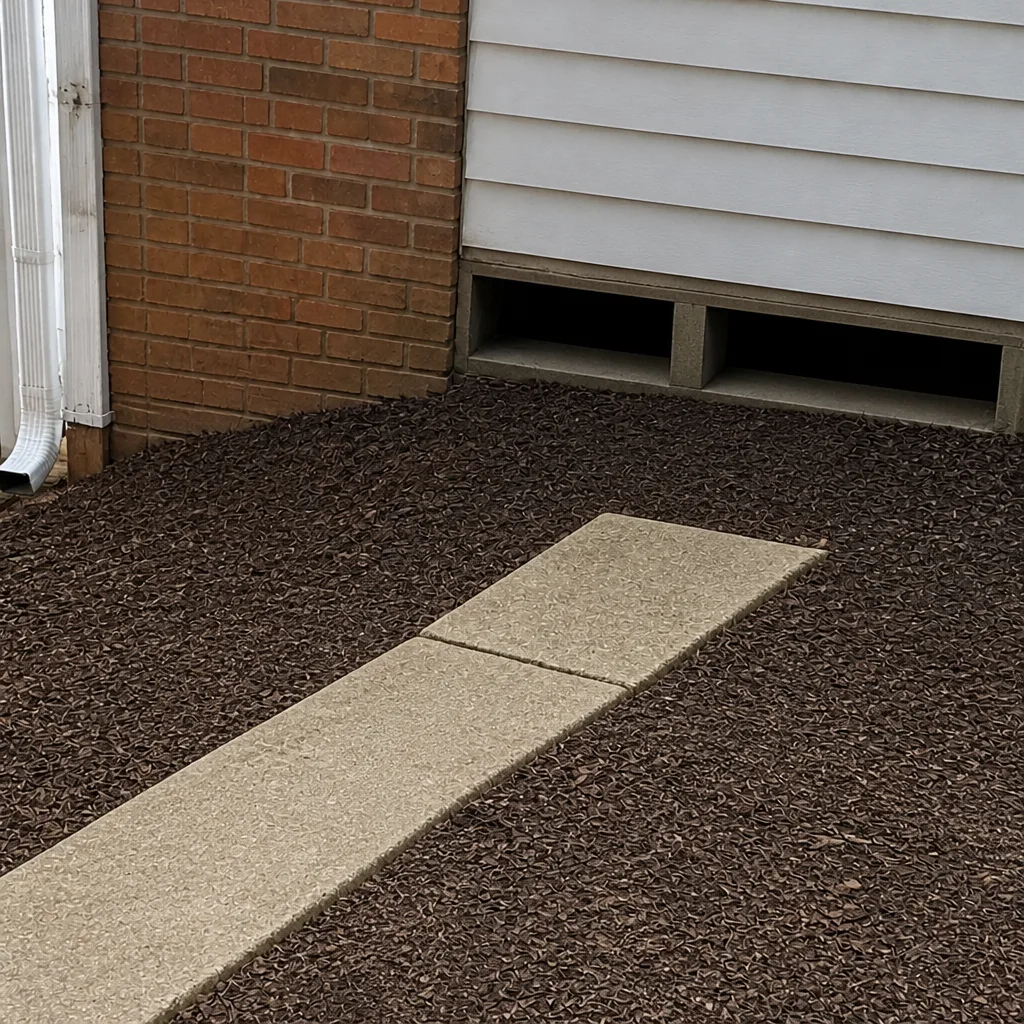
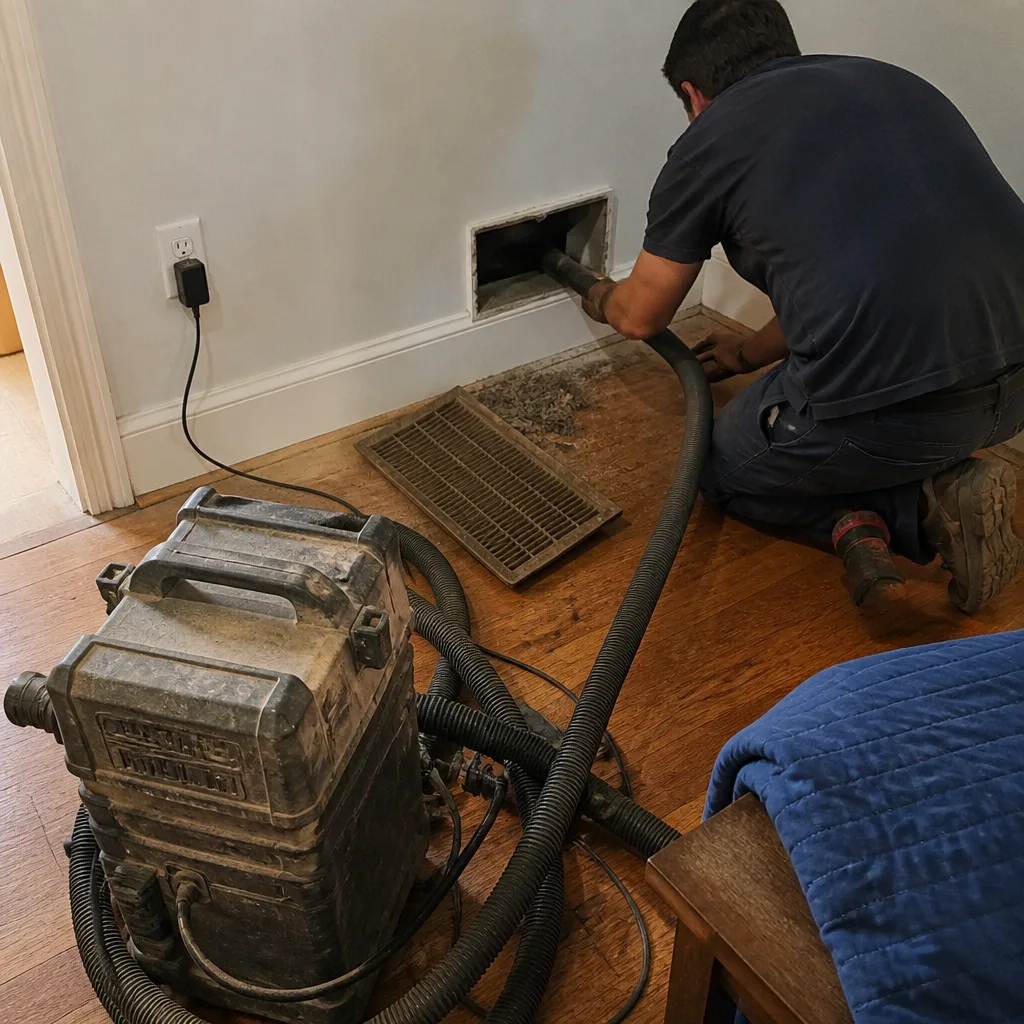
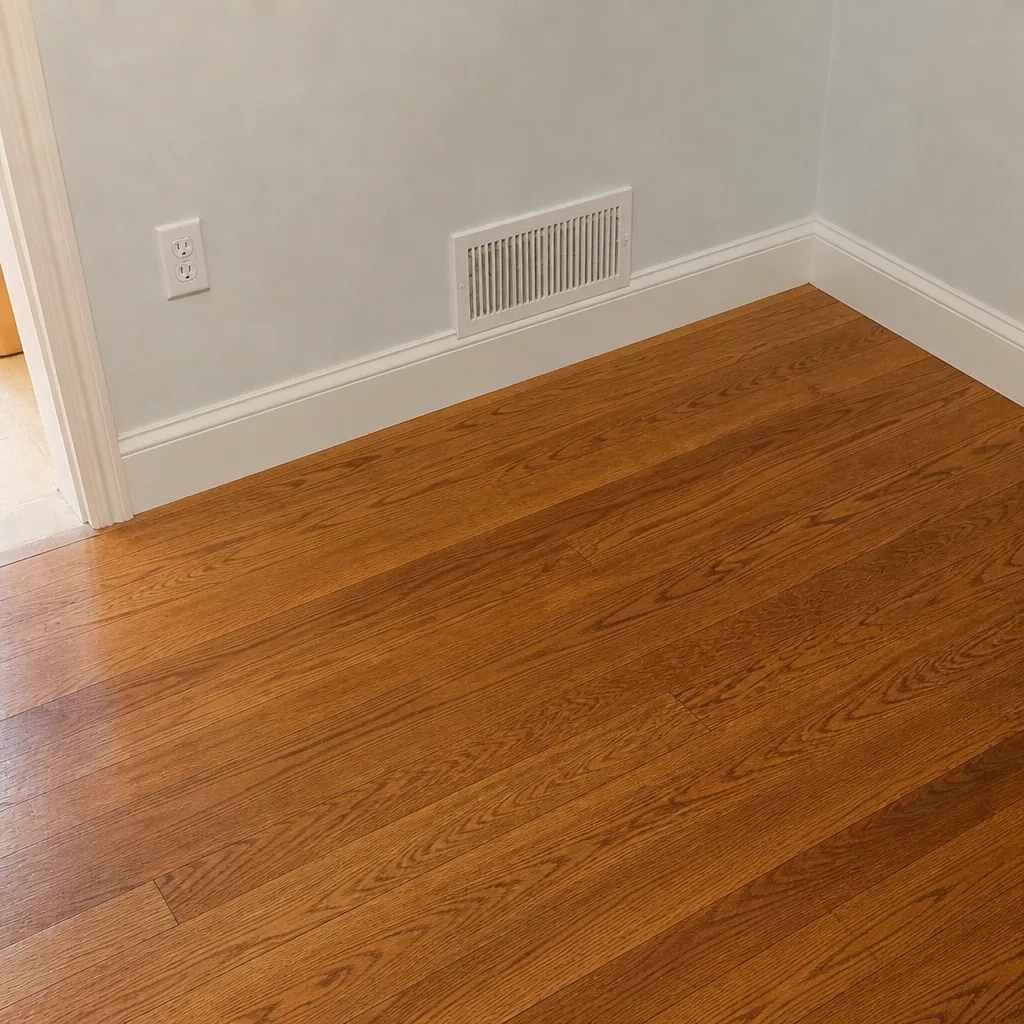
- Not asking for before-and-after photos. Photos are how you verify the work actually happened. Any provider doing genuine source-removal cleaning should be able to document it.
See the difference
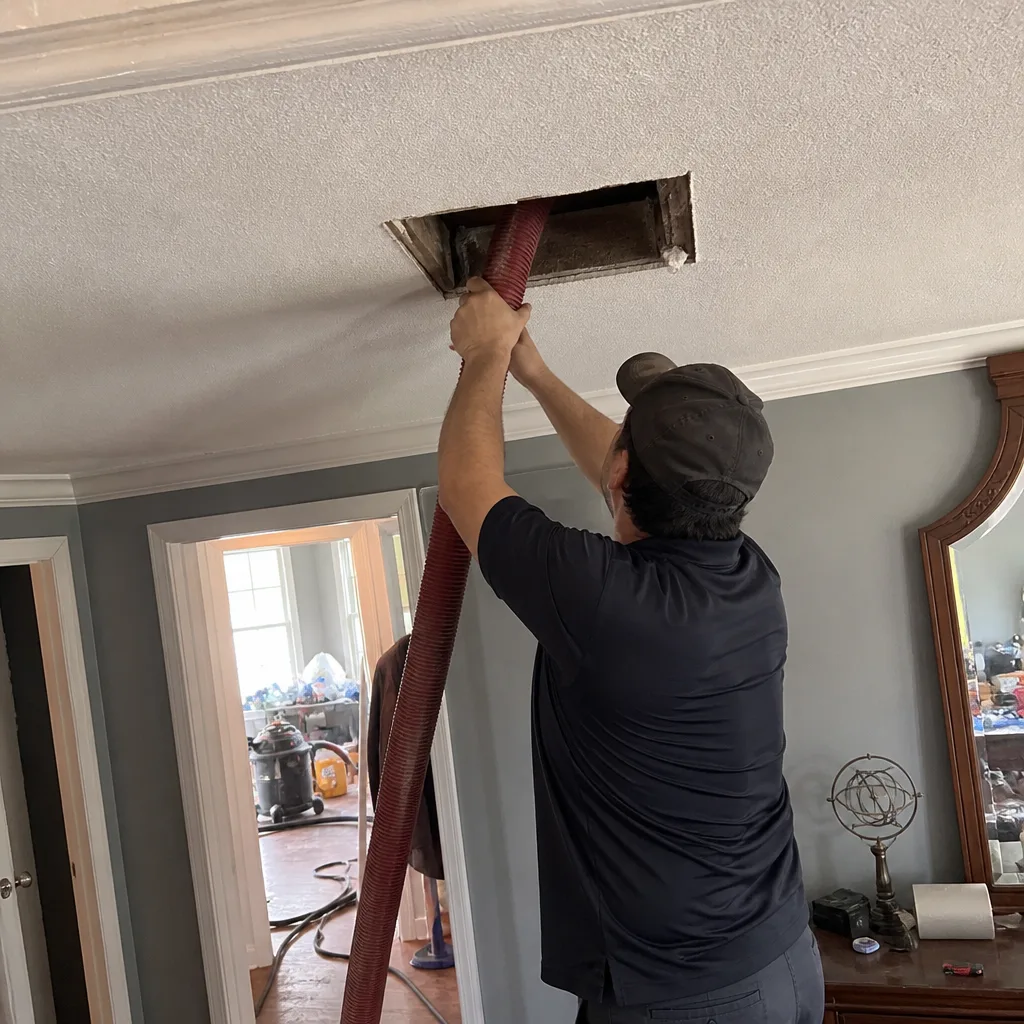 Before
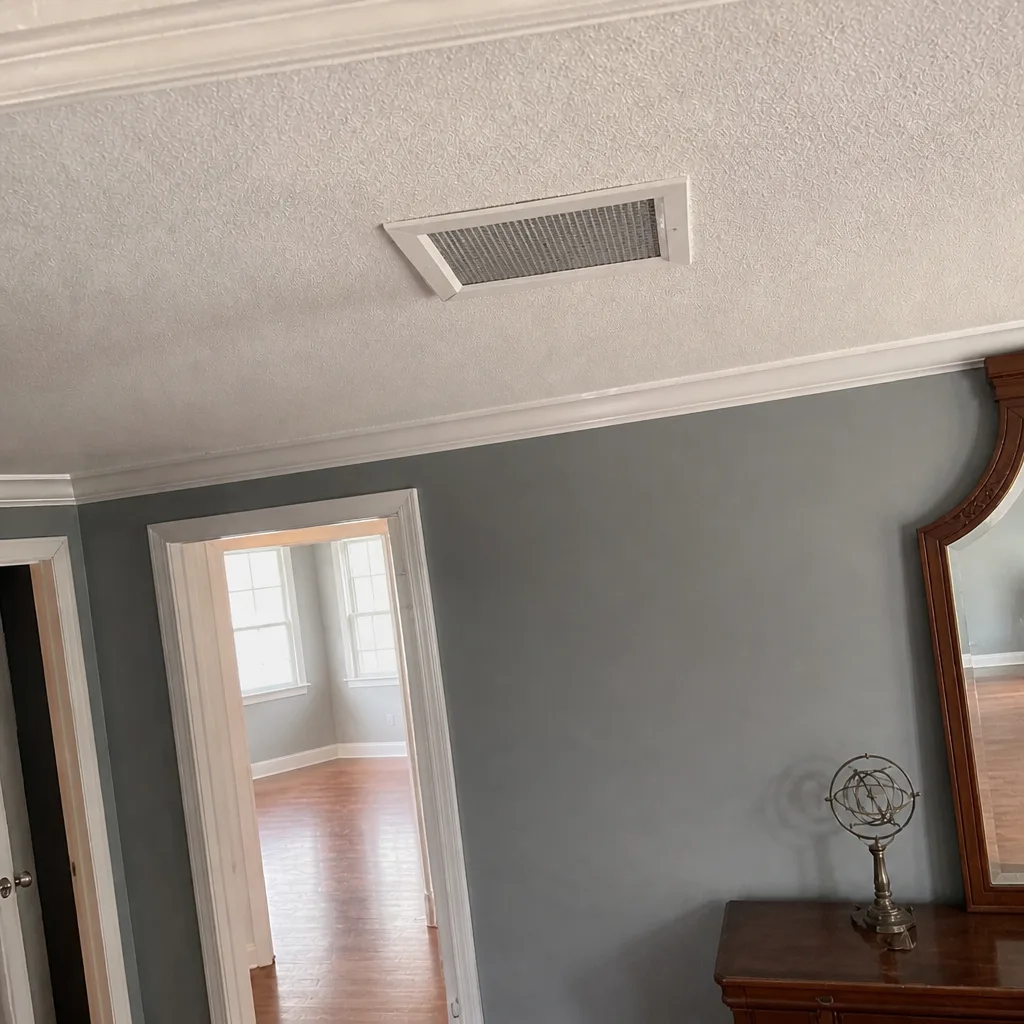 After
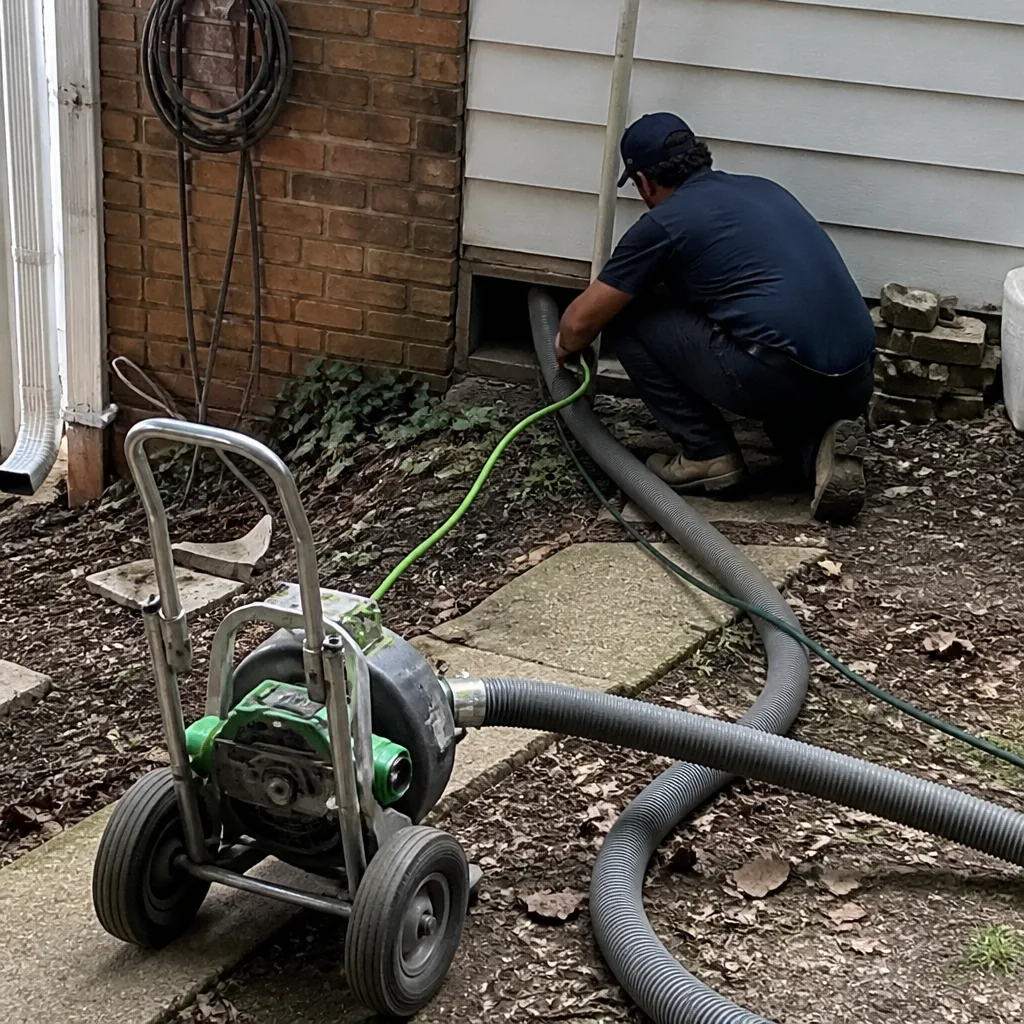 Before
 After
 Before
 After
When to Call a Professional
Some situations call for a professional clean sooner rather than later. If anyone in the home has allergy or respiratory symptoms that show up at home but ease elsewhere, the ductwork deserves a look. Persistent musty odors, visible dust settling on surfaces shortly after cleaning, or inconsistent airflow between rooms are all signs worth investigating. A recent renovation that generated drywall dust is another. So is a home that’s gone many years without duct service, a system that serves a crawlspace, or a dryer vent that’s never been cleaned given the fire risk of accumulated lint.
Air Duct Cleaning Virginia-Highland offers free estimates in Virginia-Highland. Call (833) 513-8601. We answer 24/7. Fast dispatch from 7am to 7pm, Sunday through Friday.
Frequently Asked Questions
Most Virginia-Highland homes fall between $350 and $700 for a single-system source-removal clean, with larger or older homes with crawlspace routing, mixed duct materials, or two systems landing between $600 and $1,200. Heavily soiled systems and homes with complex additions sit at the top of that range. Call (833) 513-8601 for an exact quote. Estimates are free.
Cheap quotes are usually for a different service: vent-and-register cleaning rather than full-system source removal. That means no rotary brush agitation, no air handler cleaning, and often no negative pressure setup, which is why the price is lower and the result is incomplete. The ductwork is still dirty after the technician leaves. Call (833) 513-8601 to compare scopes before you decide. Estimates are free.
Sanitizing is worth it when there’s evidence of microbial growth: visible staining, a musty smell that persists after cleaning, or moisture history in the ducts. It’s not worth it as an automatic add-on on a system with no growth and no odor. The right sequence is inspection, mechanical cleaning, then sanitizing only if indicated. Call (833) 513-8601 if you want an honest assessment. Estimates are free.
Ask for before-and-after photos of your own ducts, and ask for a written summary of what the technician found: contamination level, duct condition, and any repair items identified. Genuine source-removal cleaning produces both. A vent-only pass usually produces neither, because the technician never got far enough into the system to document anything. Call (833) 513-8601 to schedule a clean with documentation. Estimates are free.
Every three to five years is a reasonable baseline for most homes, with more frequent service after renovations, after a move-in where the previous owner’s habits are unknown, or if anyone in the household has respiratory sensitivities. Homes with pets, or with duct runs through crawlspaces, often fall toward the shorter end of that interval. Call (833) 513-8601 to talk through your situation. Estimates are free.
Yes, and it’s one of the main reasons local costs land at the higher end of regional ranges. Homes here were largely built in the early twentieth century and have often been expanded, which produces mixed duct materials, multiple systems, and crawlspace or attic routing that takes longer to service. That’s a scope difference, not a local markup. Call (833) 513-8601 for an estimate based on your actual layout. Estimates are free.
The Bottom Line
The spread in Virginia-Highland air duct cleaning pricing reflects scope, not competition, and the number alone won’t tell you which you’re getting. What will: asking whether the air handler is included, whether the price is per-vent or per-system, what equipment will be used, and whether the provider documents the work with before-and-after photos. A quote that answers those four questions honestly is worth more than one that’s simply lower. Get the scope lined up first, and the price comparison becomes meaningful.
Air Duct Cleaning Virginia-Highland covers five services in one visit: cleaning, dryer vent cleaning, HVAC cleaning, air quality and sanitizing, and duct repair and sealing. That means the technician assessing your system can address what they find rather than referring you elsewhere. Our technicians have up to 14 years of experience, and we use Rotobrush and Nikro equipment for source-removal cleaning, with Abatement Technologies filtration on site to capture dislodged particulates. We also work with Honeywell and Aprilaire air quality products when a filter upgrade makes sense after cleaning.
The local pro is licensed and insured as their state requires, and the estimate is free. Pricing is one flat price per system, agreed before work starts, with before-and-after photos so you can see what changed. No per-vent pricing, no package bundles you didn’t ask for.
Call (833) 513-8601 for a free estimate. We answer 24/7. Fast dispatch from 7am to 7pm, Sunday through Friday.
Written by the team at Air Duct Cleaning Virginia-Highland.