
Last updated November 25, 2026
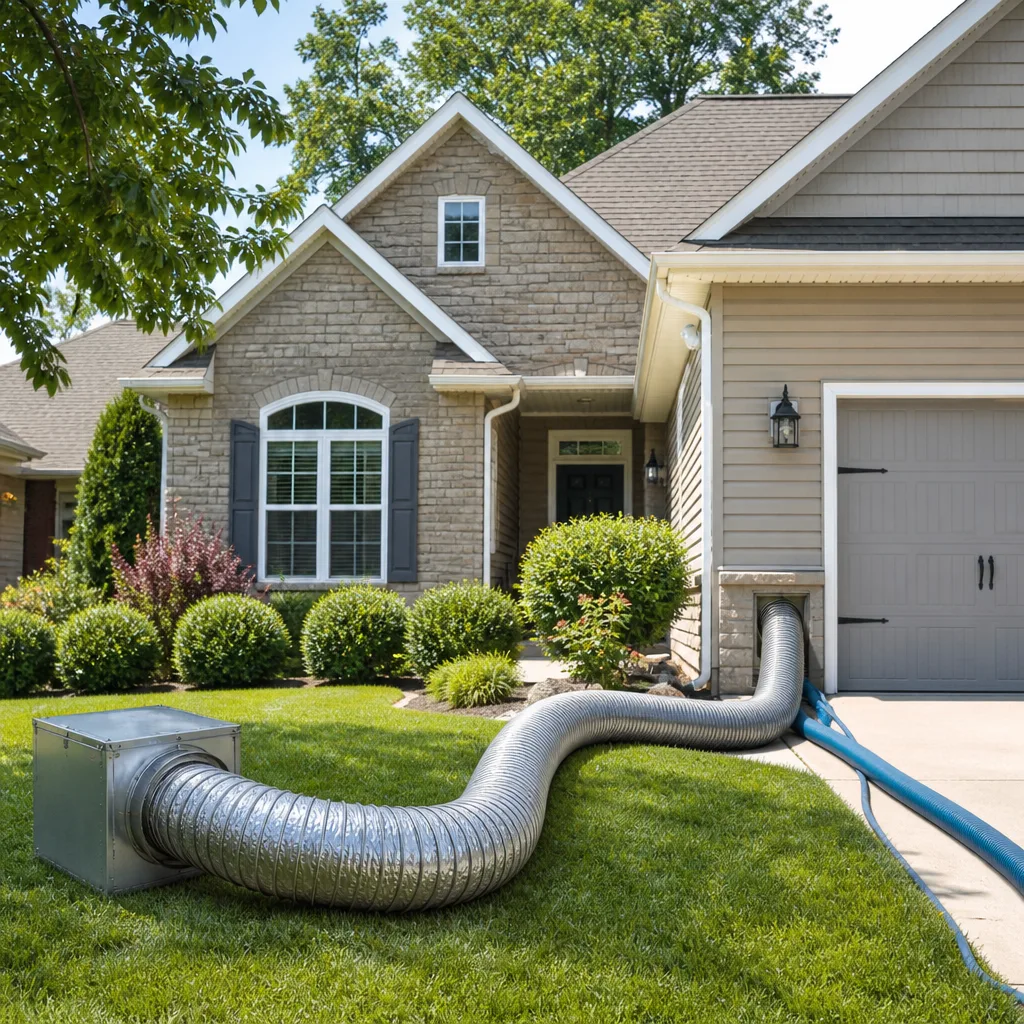 Whole-home duct cleaning
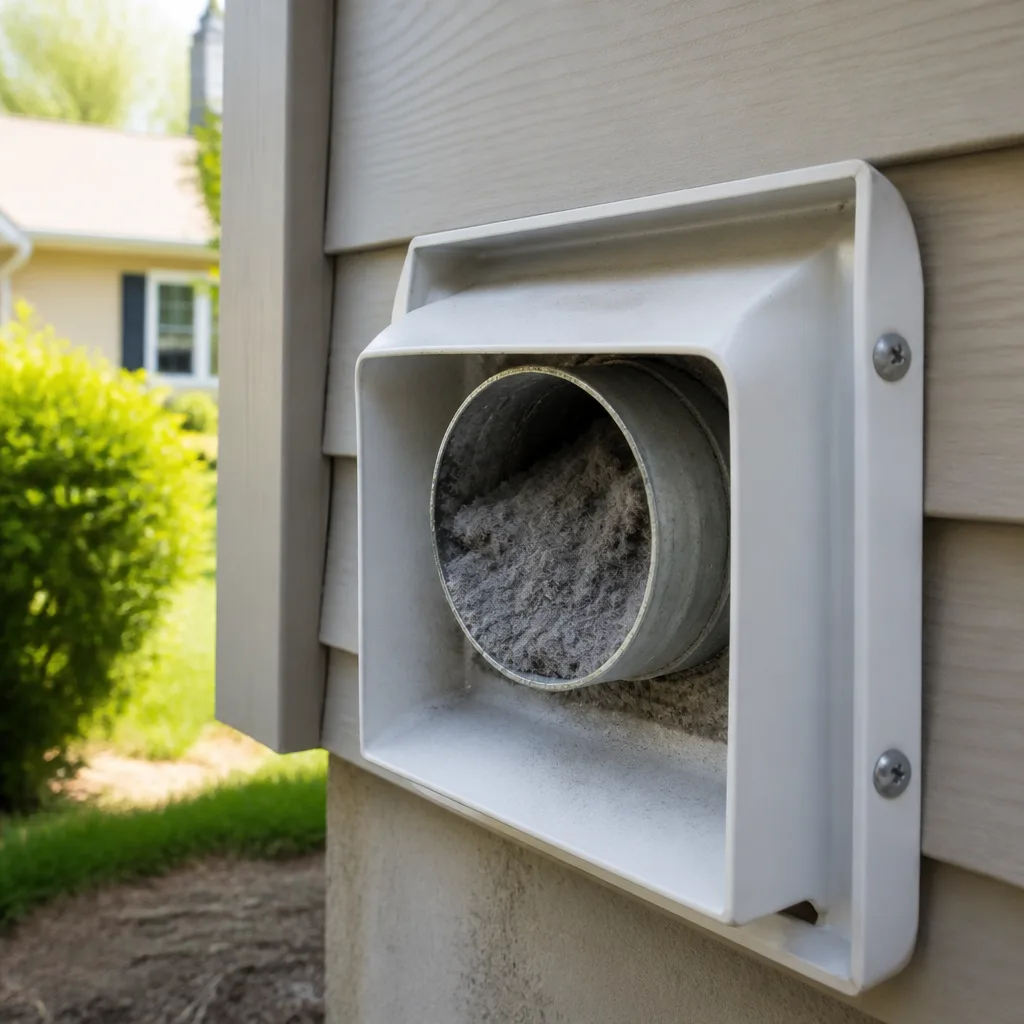 Dryer vent cleaning
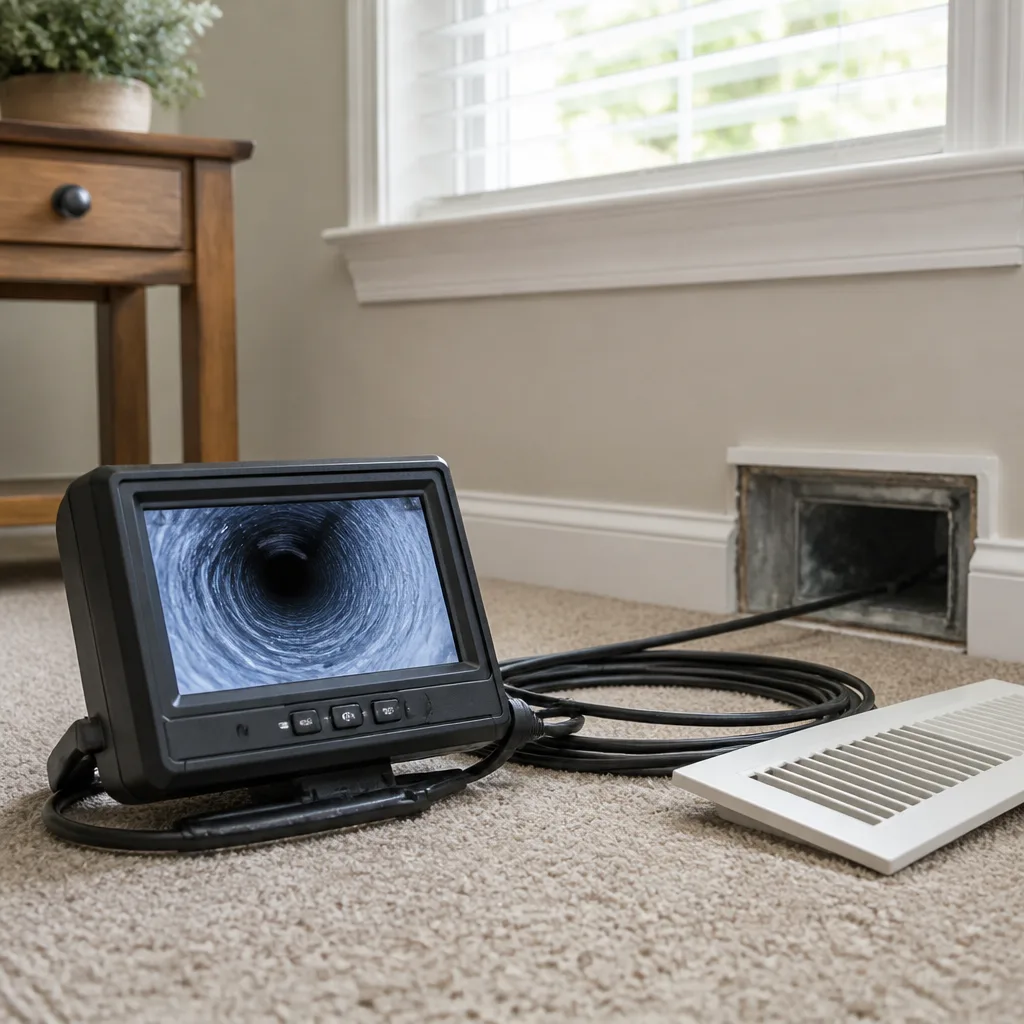 Camera inspection
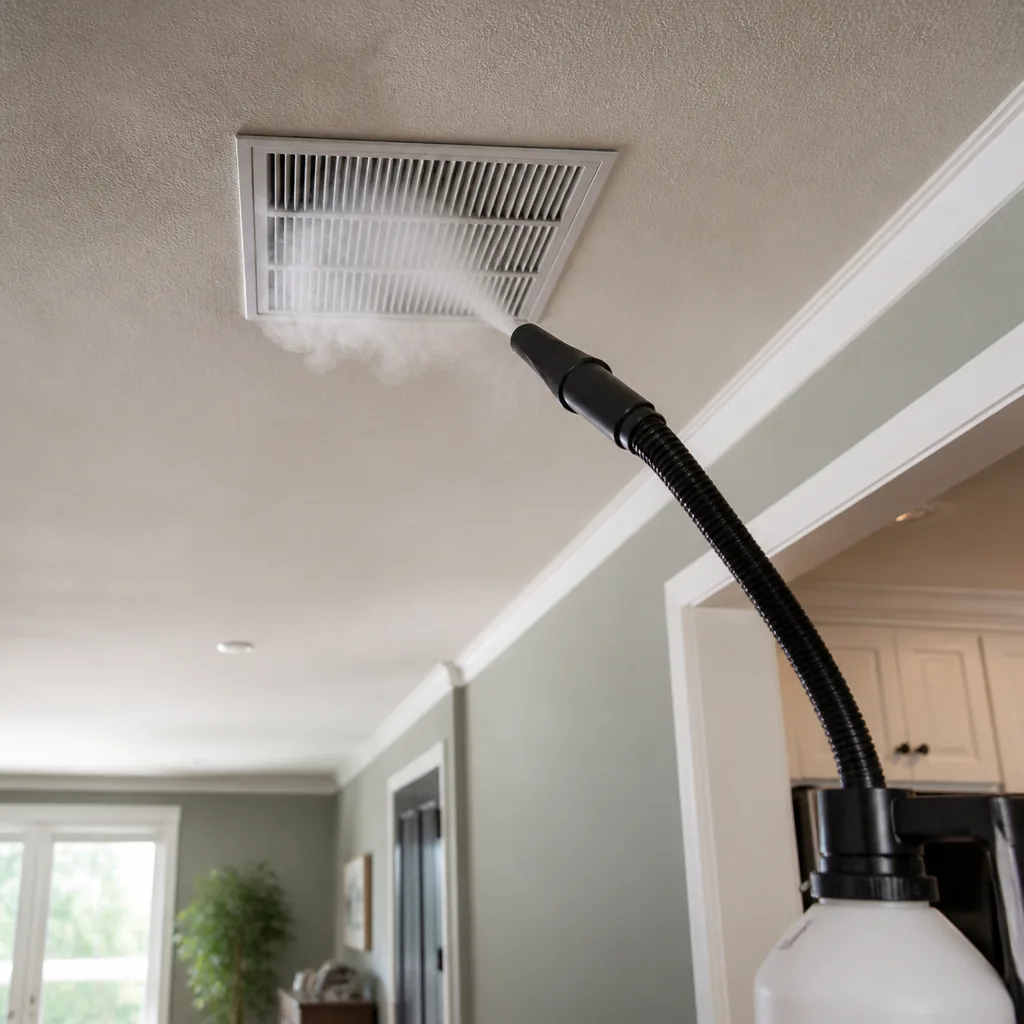 Sanitizing & deodorizing
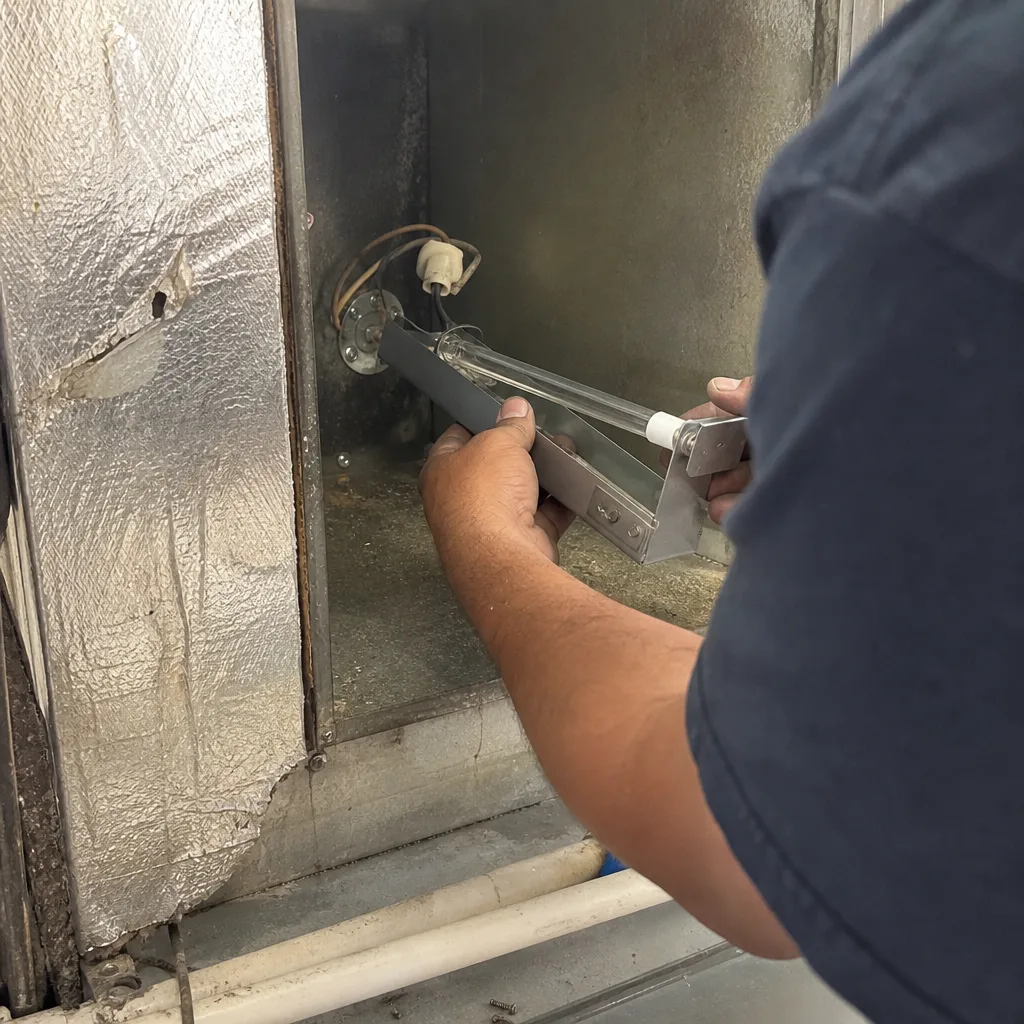
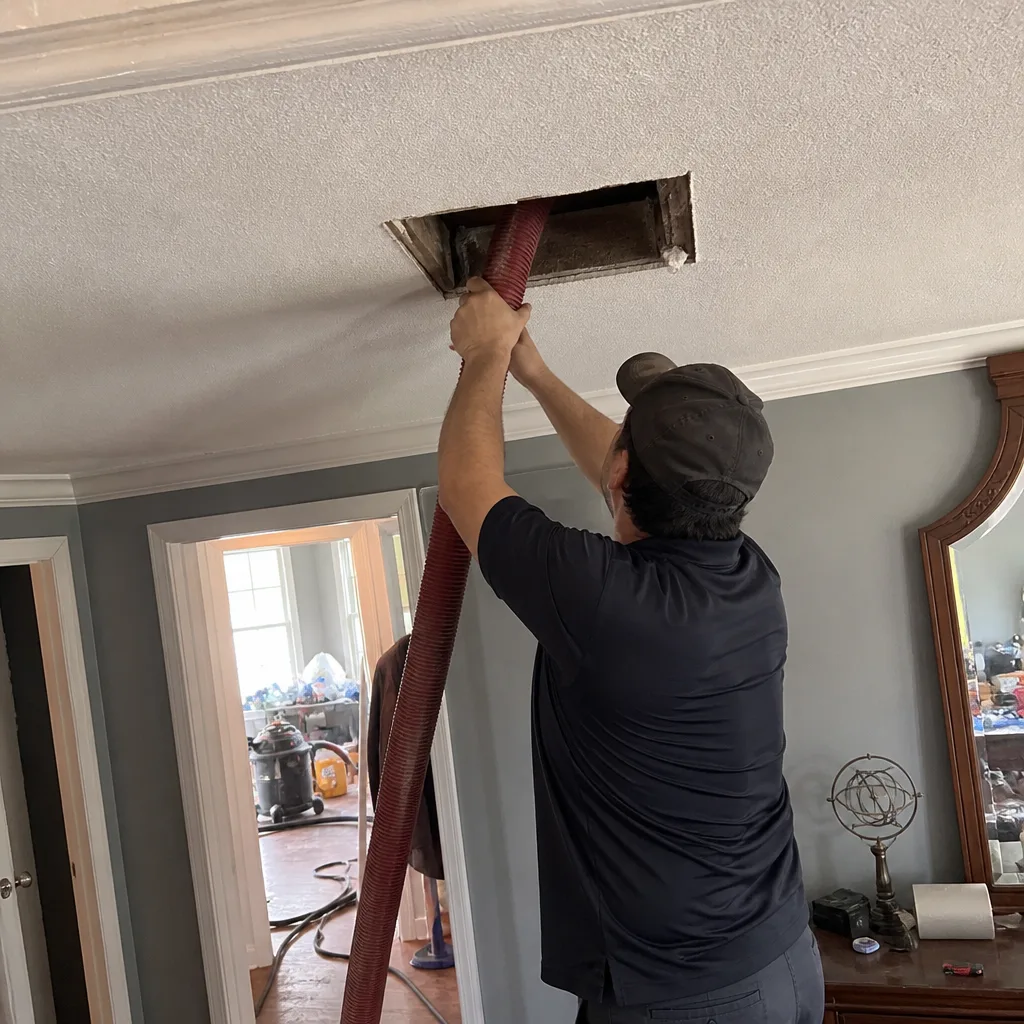
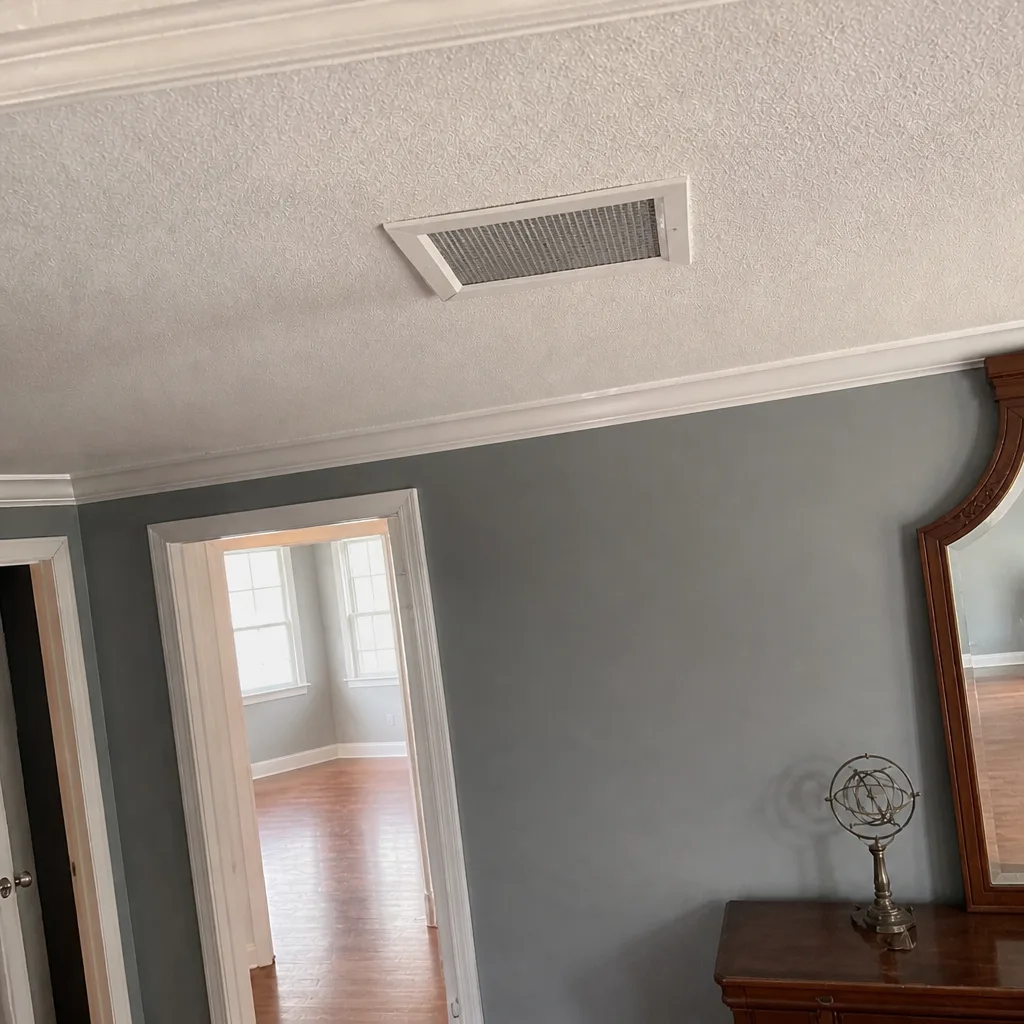
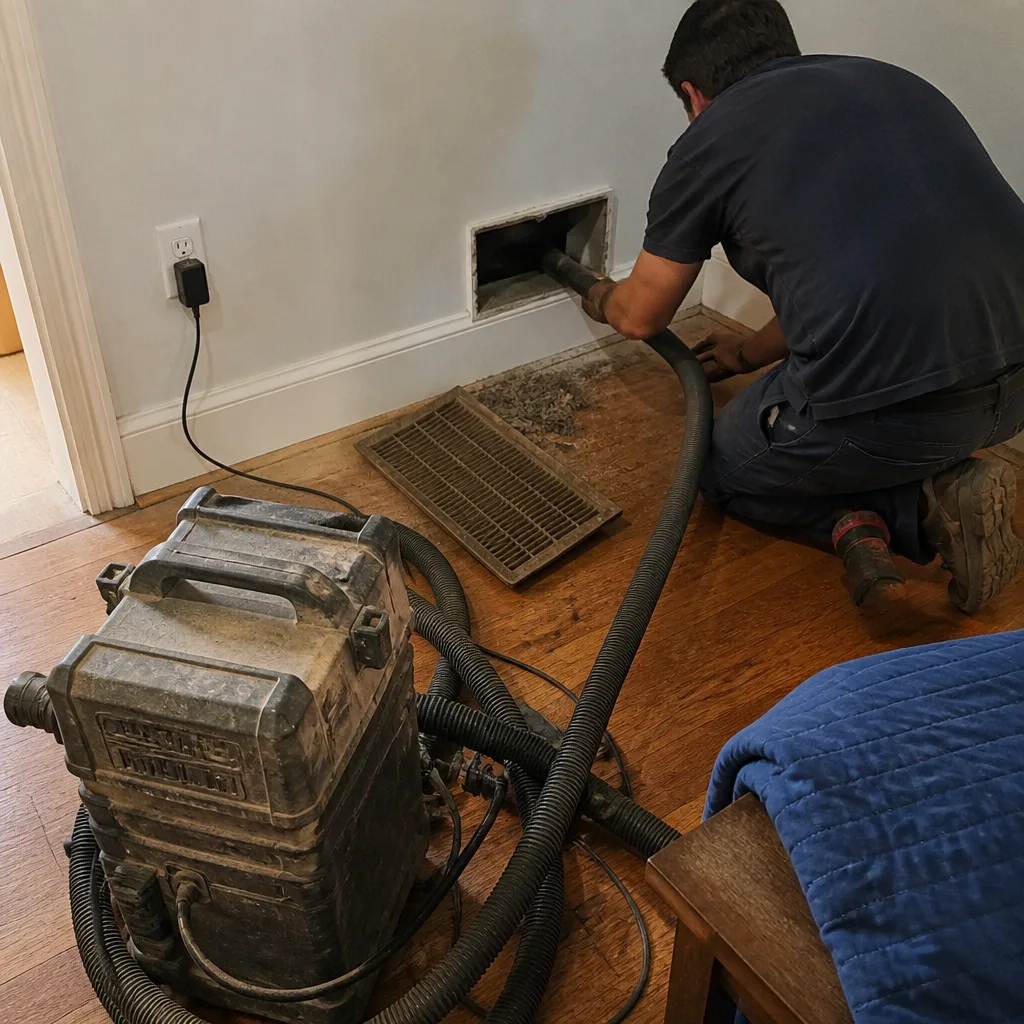
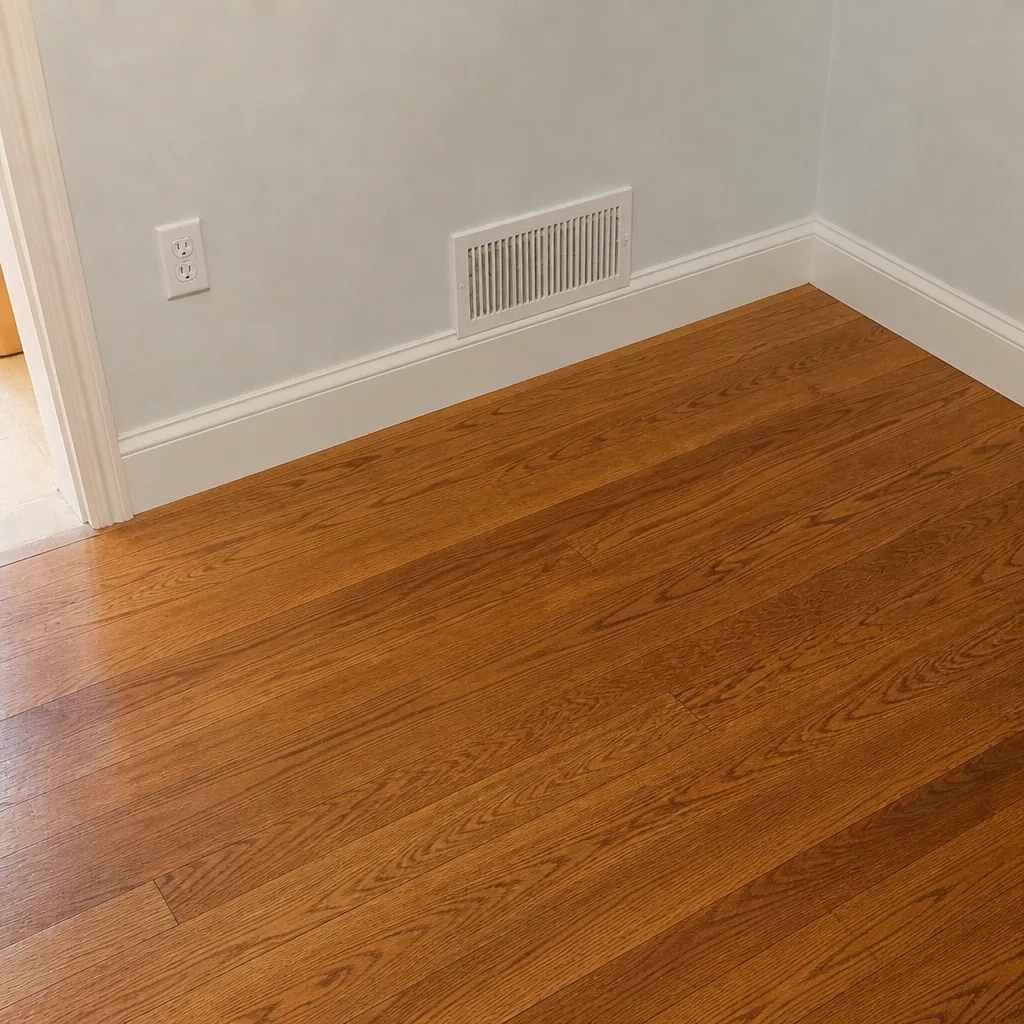
Whole-system duct and dryer vent check with before-and-after photos - you see exactly what came out of your vents
That "$99 whole-house special" is a bait ad - the real number appears once they are in your hallway, or the "clean" is a shop-vac at the register. We photograph the inside of your ducts before and after instead.
Seasonal Air Duct Cleaning Care for Virginia-Highland: Year-Round Homeowner’s Guide
Most homeowners treat duct cleaning as a once-a-year checkbox, usually in early spring before the first hot week. That schedule misses the point in Virginia-Highland. Atlanta has no real off season for HVAC use. The system runs heating in January, cooling by April, and often swings back and forth in between. Contamination builds continuously rather than seasonally, and the two transition periods (spring and fall) carry more air quality risk than the slowest months of summer or winter. This guide maps duct care to the transitions your system actually goes through, so the work happens when it prevents a problem instead of after one shows up.
Quick Answer
The best time to clean and inspect air ducts in Virginia-Highland is at the two seasonal transitions, spring and fall, rather than once a year at an arbitrary date. Spring brings the highest condensation risk as the system switches from heating to cooling in humid Atlanta air, and fall brings pollen and leaf debris through return pathways during the second pollen season. A two-visit plan built around those windows covers what a single annual cleaning can’t.
Styles & brands we work with
- Whole-home duct cleaning
- Dryer vent cleaning
- Camera inspection
- Sanitizing & deodorizing
Table of Contents
- Why Atlanta’s Climate Changes the Duct Cleaning Calendar
- Spring: The Switch to Cooling and the Condensation Risk
- Summer: Peak Cooling Load and Duct Joint Integrity
- Fall: Pollen and Leaf Debris in Return Air Pathways
- Winter: Combustion Byproducts and Gas Furnaces
- How to Build a Two-Visit Annual Maintenance Plan
- What Our Technicians Check at Each Transition
- Common Mistakes to Avoid
- Frequently Asked Questions
Why Atlanta’s Climate Changes the Duct Cleaning Calendar
In colder parts of the country, the heating season and cooling season are distinct, and the system sits idle in between. In Virginia-Highland, that idle window barely exists. The heating season runs roughly November through March, cooling runs April through October, and the shoulder months blend both. That means lint, dust, skin cells, and outdoor particulate matter move through your ductwork every week of the year.
The real risk isn’t how much volume passes through. It’s what happens at the two moments the system changes mode. When the equipment moves from heating to cooling, the evaporator coil starts producing condensate. If the duct system is dirty or the joints are loose, that moisture has somewhere to sit instead of draining properly. Mold and microbial growth need both moisture and a food source, and a dust layer inside a duct supplies the food source year-round.
We’ve seen this pattern repeat across Virginia-Highland homes, from the older bungalows near Atkins Park to the newer builds closer to Emory. The homes with the fewest air quality complaints are usually the ones whose owners think in terms of transitions rather than a single annual visit. That’s why we put together the full guide at Air Duct Cleaning Virginia-Highland and why the seasonal plan here is structured the way it is.
One more factor specific to this area: the tree canopy. Virginia-Highland’s mature hardwoods produce heavy spring and fall pollen loads, and that pollen enters through return air pathways as much as through open windows. The ducts are the delivery system.
Spring: The Switch to Cooling and the Condensation Risk
Spring is the highest-risk transition for duct contamination in Virginia-Highland. As the system switches from heating to cooling, the evaporator coil begins producing condensate for the first time in months. If ducts are dirty and joints are loose, that moisture has a place to collect. Here’s what to check before the first AC use.
- Inspect the drain pan and drain line. Algae and dust can clog the condensate drain over the heating season. A standing pan means moisture sitting near the air handler and the duct connection.
- Look at the duct joints nearest the air handler. Loose joints or failed tape at the plenum are the first place condensation shows up as dark staining or rust dots.
- Check the return filter housing. A gasket that’s cracked or missing lets unfiltered air bypass the filter and coat the coil.
- Smell the air when you first turn on the AC. A musty or gym-like smell at the vents points to microbial growth that started during the damp spring days.
- Note your airflow. Rooms that feel weak or warm compared to others suggest a leak or a collapsed run before the load increases.
If any of those checks raise a flag, an inspection before the first cooling call will cost less than a mold remediation job after a summer of running the system on a contaminated duct. Our technicians have up to 14 years of experience reading those signals, and on a spring visit we usually pair the inspection with a full air duct cleaning so the coil starts the cooling season with a clean pathway.
Summer: Peak Cooling Load and Duct Joint Integrity
Summer in Virginia-Highland means the system runs continuously for weeks, and the duct system is pushed to its highest static pressure of the year. In older flex duct installations common to homes built in the mid-century expansions around Virginia-Highland, that sustained pressure finds every weak joint.
Flex duct is a real advantage in a retrofit because it’s cheap and fast to install. It’s also more prone to sagging, kinking, and joint separation than rigid trunk and branch ductwork. As static pressure builds in July and August, a saggy run that was holding up in spring may balloon, pull free from its collar, or develop a tear at a support strap. Once that happens, you’re cooling the crawlspace or attic instead of the bedroom.
What to watch for in summer:
- Rooms that stayed comfortable in May suddenly can’t keep up in July
- Higher energy bills without a matching change in thermostat settings
- Visible sagging in flex duct runs visible from the attic or crawlspace hatch
- A whistling or hissing sound near a register
- Return air that feels weaker than in previous summers
These are the symptoms that send homeowners looking for HVAC cleaning, but a lot of the time the fix is duct repair and sealing rather than cleaning alone. We carry Guardsman sealing materials alongside our cleaning equipment because the two problems tend to show up together: cleaning removes the accumulation, and sealing stops new accumulation from entering the same way.
Our Rotobrush and Nikro systems physically agitate and extract debris rather than relying on suction alone, which matters when a summer inspection finds both contamination and a joint problem in the same run.
Fall: Pollen and Leaf Debris in Return Air Pathways
The fall pollen season in Atlanta gets far less attention than spring’s, but it delivers just as much particulate to the return air pathways of Virginia-Highland homes. Ragweed, grasses, and the fine dust from dried leaves all enter the system when the weather cools and people open windows again. That’s the second highest-risk window in the year, right after the first furnace run.
Return air grilles are the entry point. Many older homes in Virginia-Highland have a central return in a hallway or a large return in the ceiling, and those grilles sit in the path of whatever comes through open windows or travels on a breeze. Fall is when that debris is thickest.
What to do at the fall transition:
- Replace the filter before the first heating run, not after. The filter is the one component that handles the load daily; letting it stay loaded into fall pushes pollen and leaf dust into the coil.
- Inspect and clean the return grilles themselves. They’re often skipped during casual cleaning.
- Schedule a full-system cleaning if it’s been more than a year since the last one. The fall visit is the best moment to catch accumulation before the system runs hot for months.
- Check the dryer vent at the same time. Lint accumulation is a year-round risk, and the transition to heavier laundry loads in fall is a natural reminder.
Fall is also when we recommend scheduling dryer vent cleaning alongside the duct work, since both benefit from the same visit and both address airflow restriction in the same house. A single call covering the full air system is the practical reason we built our service menu the way we did.
Winter: Combustion Byproducts and Gas Furnaces
Winter shifts the air quality risk in Virginia-Highland from biological to chemical. Homes with gas furnaces share the duct pathway with the heating equipment, and any crack in the heat exchanger or backdrafting at the flue can push combustion byproducts into the airstream. This is not a duct cleaning problem, it’s a safety problem, and it needs to be checked before the furnace runs through its first cold week.
We’re not the right people to diagnose a heat exchanger. That’s a licensed HVAC technician’s job, and if you smell combustion exhaust or your carbon monoxide alarm has gone off, the correct action is to shut the system off and call your gas utility or a licensed HVAC contractor immediately. Any duct work comes after that inspection is complete.
What duct work can do in winter is different: it can make sure the system isn’t recirculating dust, debris, or the fine soot that accumulates in older duct runs. Those particles don’t cause CO poisoning, but they do carry odors and can mask the smell of a real combustion problem.
Our winter visits focus on:
- Inspecting the supply and return pathways for soot or dark staining that might indicate combustion products in the airstream
- Sanitizing the system to reduce microbial load after a humid fall
- Confirming the filter is the correct MERV rating for the equipment; an over-restrictive filter can cause problems of its own
- Checking for loose joints that open up as the system runs at heating static pressure
When we find microbial growth beyond what mechanical cleaning alone can address, we use sanitizing treatments. When we find a filtration gap, we work with Honeywell and Aprilaire products to close it at the system level rather than adding a standalone air cleaner that doesn’t address the duct itself.
How to Build a Two-Visit Annual Maintenance Plan
The single annual cleaning is a compromise between budget and convenience. For Virginia-Highland’s climate, a two-visit plan covers the transitions that actually matter and costs less than dealing with the fallout from a missed spring or fall window.
Here’s how to structure it:
- Visit one: early spring, before the first cooling run. This is the inspection and cleaning visit that catches condensation risk before the coil starts producing moisture. It’s also the best time to handle duct repair and sealing if the winter season opened a joint.
- Visit two: early fall, before the first heating run. This is the second full-system cleaning, timed to remove fall pollen and leaf debris before it gets drawn through the coil during the heating season.
- Between visits: replace filters on schedule, keep return grilles clear, and check the condensate drain once in mid-summer.
- Add-on checks: a dryer vent cleaning once a year, and an HVAC unit cleaning at whichever transition follows the heaviest recent use.
The two-visit plan aligns with how the system transitions rather than how the calendar stacks. It also means the technician sees the home twice a year, which is enough to catch changes in flex duct before they become a major repair. That’s the reasoning behind the full-system approach we describe at the main Air Duct Cleaning Virginia-Highland page, and it’s why we offer duct repair and sealing as part of the same visit rather than as a separate appointment.
The cost of the two-visit plan is less than the price of a single mid-summer repair caused by a joint that failed in June, or a fall remediation caused by microbial growth that started in April. That’s the case for building the plan even if you’re not the kind of homeowner who likes annual maintenance checklists.
What Our Technicians Check at Each Transition
The right check at the right season tells you more than the same checklist run twelve times a year. Here’s what we actually look at, in the order that matters.
Spring transition (before first cooling):
- Condensate drain and pan condition
- Duct joints near the air handler for moisture staining
- Return filter housing gaskets
- Odor at the supply registers
- Airflow balance across rooms
Summer (if there’s a complaint):
- Static pressure and flex duct integrity
- Visible sagging or separation in attic and crawlspace runs
- Coil condition and airflow at the plenum
- Return air grille condition
Fall transition (before first heating):
- Return pathway cleaning and grille condition
- Filter replacement timing
- Dryer vent lint accumulation
- Full-system cleanliness before the heating season
Winter:
- Soot or dark staining in the airstream
- Microbial load after the humid season
- Filter MERV rating and fit
- Joint condition under heating static pressure
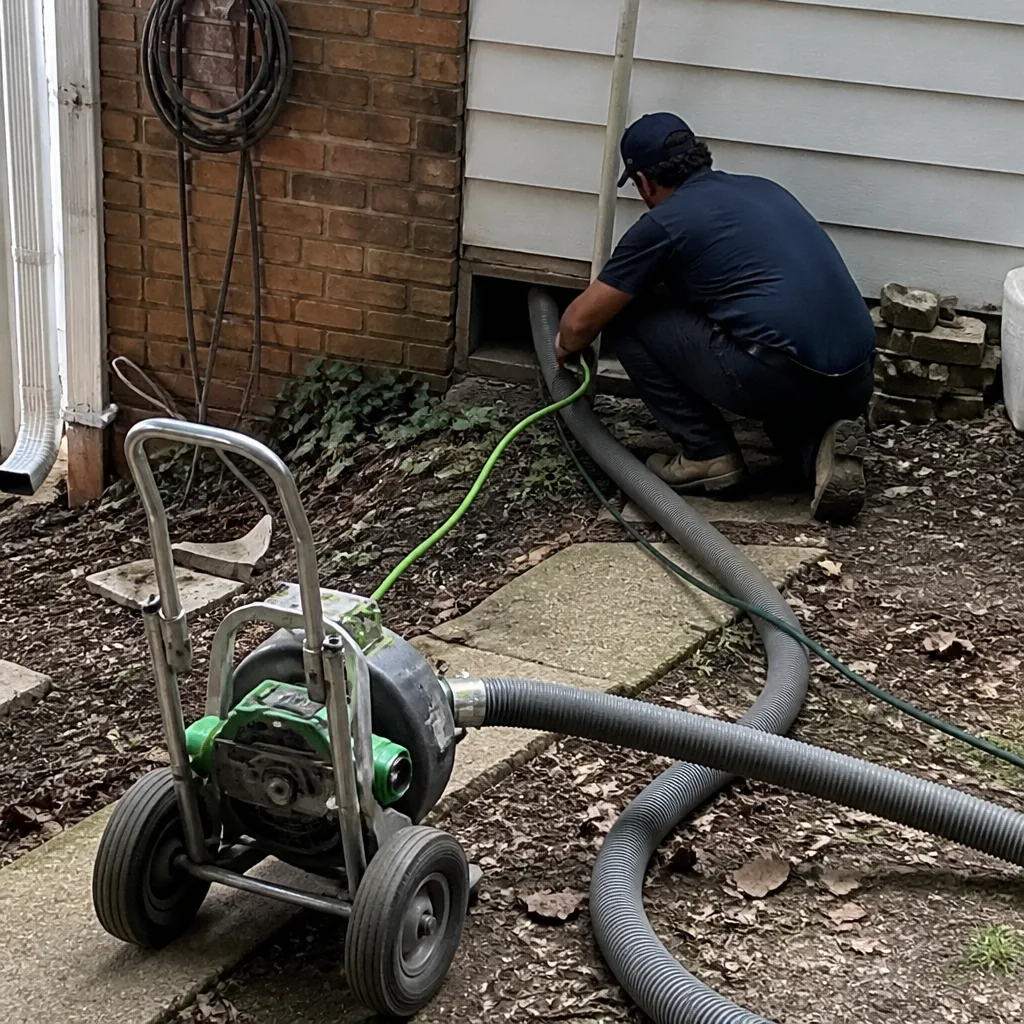
Every visit uses the same source-removal approach: Rotobrush contact cleaning equipment, Nikro extraction, and Abatement Technologies air filtration to capture what gets dislodged during the work rather than letting it settle back into the house. That’s not the same thing as running a shop vacuum through the vents, and the difference matters most in the transition months when particulate is highest.
See the difference
 Before
 After
 Before
 After
 Before
 After
Common Mistakes to Avoid
- Cleaning only in spring and skipping fall. The fall pollen season in Virginia-Highland is heavier than most homeowners expect, and missing it means the heating season runs on a loaded system.
- Treating duct cleaning as synonymous with vacuuming the vents. A vent-only job does nothing for the trunk line, the plenum, or the coil, which is where the accumulation that matters actually sits.
- Upgrading the filter to the highest MERV you can find. In Virginia-Highland homes with flex duct and a single return, an over-restrictive filter can raise static pressure and cause joint separation. Match the filter to the equipment.
- Ignoring flex duct sag. A single sagging run in the attic can lose enough airflow to make one room unlivable in July, and it’s easy to fix with proper support and sealing.
- Skipping the dryer vent because the ducts were cleaned. The two systems share the house but not the cleaning schedule, and lint accumulation in the dryer vent is its own fire risk.
- Choosing a quote based only on the price. A quote that doesn’t include the air handler, the plenum, and the return pathway is not a full-system job.
- Assuming a spring cleaning covers fall. The two transitions address different problems, and the two-visit plan exists for exactly this reason.
When to Call a Professional
Some duct work is routine and some is urgent. Call us for an estimate if your air smells musty or gym-like at a register, if a room has lost airflow compared to the rest of the house, if you’ve seen visible dust blowing out of a vent, or if it’s been more than two years since the last full-system cleaning. Call sooner if your energy bills have climbed without a matching change in use, or if you’ve just moved into a Virginia-Highland home and don’t know its duct history. Air Duct Cleaning Virginia-Highland offers free estimates in Virginia-Highland. Call (833) 513-8601. We answer 24/7. Fast dispatch from 7am to 7pm, Sunday through Friday.
Frequently Asked Questions
Prices vary with the size of the system, the number of returns, and whether repair or sealing is involved. The written estimate sets the final price, and we give it before any work starts. Call (833) 513-8601 for an exact quote, estimates are free.
Cheap quotes usually leave out the air handler, the plenum, or the return pathway, which is where most of the accumulation sits. They also tend to skip equipment that physically agitates the debris rather than just running suction past it. Ask what’s included before comparing prices, and call (833) 513-8601 if you want us to walk you through what our estimate covers.
We use before-and-after photos of your own ducts, taken during your visit, so you can see the change for yourself. Ask any provider for the same; if they can’t show you the ducts before and after, the work is hard to verify. Call (833) 513-8601 for an estimate that includes photos.
For most Virginia-Highland homes in a year-round HVAC climate, two visits a year (spring and fall transitions) is a better schedule than one annual cleaning. Homes with pets, allergies, or ongoing remodeling can benefit from more frequent return pathway checks. Call (833) 513-8601 to talk through what fits your house.
Dirty ducts don’t cause mold on their own, but they supply the food source that mold needs once moisture is present. That’s why the spring condensation risk matters more than the summer dust load. If you’re seeing dark staining near a register or smelling mustiness, call (833) 513-8601 for an inspection.
Sealing is worth it whenever the inspection finds loose joints or sagging flex duct, because the same gaps that lose cooled air also let new contamination in. Doing both on one visit is generally more efficient than cleaning now and sealing later. Call (833) 513-8601 for a free estimate that covers both.
The Bottom Line
Virginia-Highland doesn’t have a single best time to clean ducts. It has two: spring, before the system switches to cooling and the evaporator coil starts producing condensate, and fall, before the first heating run when the second pollen season has loaded the return pathways. Build your plan around those transitions, add a dryer vent check and an HVAC unit cleaning at the right moments, and the system stays clean for the whole year rather than just after a cleaning. Our technicians have up to 14 years of experience reading those seasonal signals, and we bring professional equipment that matches the work.
Call (833) 513-8601 for a free estimate. We answer 24/7. Fast dispatch from 7am to 7pm, Sunday through Friday. We’re closed on Saturday.
Written by the team at Air Duct Cleaning Virginia-Highland.